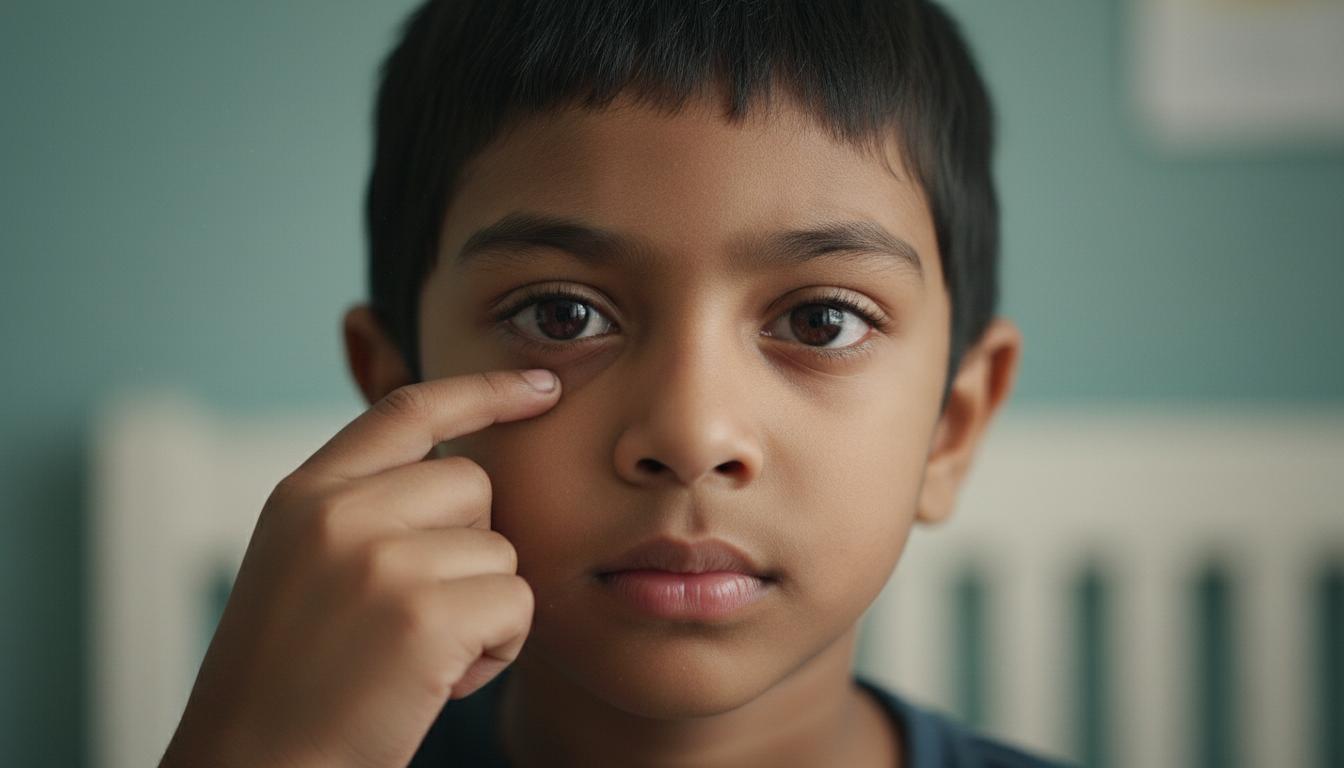
You might have woken up to find your eyes red, itchy, and perhaps crusty. Or maybe you picked up your little one from school only to find both their eyes red and watery. This condition, commonly known as "pink eye," is very common. In medical terms, we call it Conjunctivitis. While the name might sound a bit intimidating, please don't worry—most of the time, it is not a serious condition. However, having the right information is essential for everyone.
What exactly is Conjunctivitis?
Simply put, conjunctivitis is an inflammation or swelling of the conjunctiva. You might be wondering what the conjunctiva is. It is the very thin, transparent membrane that lines the white part of your eye and the inside of your eyelids. When this tissue becomes inflamed, your eye appears red, which is what we commonly refer to as "pink eye."
This is extremely common in young children because it spreads easily in schools and daycare centers where they play together. However, it is not limited to children; teenagers and adults can also contract it.
The best news is that conjunctivitis is usually a minor infection. While it may look distressing, it is rarely serious. However, proper management and professional medical guidance are always important.
Why do we get eye infections? What are the causes?
There are two main categories of causes for conjunctivitis:
1. Infectious Conjunctivitis: This is the most common form we encounter.
2. Non-infectious Conjunctivitis: This occurs due to other factors.
Let's look at each type in more detail.
1. Infectious Conjunctivitis
As the name suggests, this type can spread from person to person. It is primarily caused by tiny organisms like viruses and bacteria.
- Viruses: Just as certain viruses cause a common cold, sore throat, ear infection, or sinus infection, similar viruses are often responsible for conjunctivitis. This is why you might sometimes get an eye infection alongside a cold. These viral infections spread very quickly, especially in crowded settings like schools.
- Bacteria: Certain types of bacteria can also lead to conjunctivitis. In bacterial infections, you might notice a thick, yellowish, or greenish discharge coming from the eye.
- Bacteria related to Sexually Transmitted Diseases (STDs): This is a point that requires special attention. Certain STDs, such as those caused by Chlamydia or Gonorrhea, can also lead to eye infections. How does this happen? If you touch the genital area of someone with the infection and then touch your eye—or handle your contact lenses—with those unwashed hands, the bacteria can enter the eye and cause an infection. Therefore, maintaining strict personal hygiene is incredibly important.
2. Non-infectious Conjunctivitis
This type of eye condition does not spread to others. It is caused by various external factors.
- Allergic Conjunctivitis: Many people have allergies to triggers like dust, pollen, pet dander, or certain foods. Such an allergic reaction can cause your eyes to become red and itchy. This is known as Allergic Conjunctivitis. In this case, both eyes often show symptoms simultaneously.
- Irritant Conjunctivitis: Sometimes, your eyes can become red simply because something irritating has come into contact with them. Examples include:
- Heavy smoke
- Air pollution
- Chlorine in swimming pools
- Certain chemicals (e.g., if soap or shampoo gets into your eyes)
Exposure to these irritants can cause the conjunctiva to become swollen and red.
What are the symptoms of conjunctivitis and how can you recognize them?
There are several symptoms of conjunctivitis. You may experience one or more of these:
- Red or pink eyes: This is the most prominent and common sign.
- Eye discomfort:
- Itchiness: You may feel a persistent urge to rub or touch your eyes.
- A gritty feeling: It feels like there is sand or a foreign object stuck inside your eye.
- Discharge:
- Sometimes, it may be watery.
- In bacterial infections, you might notice thick, yellow, or greenish discharge. This can sometimes cause your eyelids to stick together when you wake up in the morning.
- Pain: Some people may experience actual pain in the eye.
- Swelling: The conjunctiva and eyelids may swell, making the eye look puffy.
- Sensitivity to light (Photophobia): Some people find it difficult to look at bright lights.
These symptoms can appear in one or both eyes simultaneously. If you wake up and find one eye is red, itchy, and has discharge, you may suspect you have Conjunctivitis.
What should you do if you get conjunctivitis?
If you suspect you have conjunctivitis, here is what you should do:
1. See a doctor:
- This is the most important step. If your symptoms are severe, you feel significant eye pain, your vision becomes blurred, or there is excessive discharge, you must consult a healthcare professional.
- A doctor can determine whether the cause is viral, bacterial, or allergic, as the treatment varies accordingly.
2. Home care:
- Keep your eyes clean: Gently clean your eyes with a clean cotton ball soaked in boiled and cooled water. Do not use the same cotton ball for both eyes.
- Avoid rubbing or touching your eyes. This can worsen the infection or cause further irritation.
- Wash your hands frequently with soap and water, especially before and after touching your eyes.
- Do not share towels, pillowcases, or eye makeup. Keep your personal items separate while you are infected.
- If your conjunctivitis is allergic, try to avoid known allergens (e.g., dust, pets).
- If you wear contact lenses, stop wearing them until the infection has completely cleared. Consult your doctor before resuming use.
3. Medical treatment:
- For bacterial infections: Your doctor will likely prescribe antibiotic eye drops or ointment. Use them exactly as directed for the full course.
- For viral infections: There is often no specific medicine for viral conjunctivitis; it usually clears up on its own within a week or two as your immune system fights it off. However, if severe, a doctor may prescribe antiviral drops.
- For allergies: Your doctor may prescribe antihistamine eye drops or oral medication to help reduce itching and swelling.
4. Preventing spread:
- If you have a contagious form of conjunctivitis, it is your responsibility to prevent spreading it to others.
- For children, it is advisable to keep them home from school or daycare until the infection resolves. Consult your doctor for the recommended duration.
- Adults should follow medical advice regarding time off work, especially those in healthcare, food handling, or childcare professions.
How can you prevent the spread of eye infections?
As the saying goes, “Prevention is better than cure.” Here are some simple steps to prevent the spread of infectious eye conditions:
- Hand hygiene is paramount! Wash your hands thoroughly with soap and water, or use an alcohol-based hand sanitizer.
- Minimize touching or rubbing your eyes with unwashed hands.
- Do not share personal items like towels, cosmetics, or pillows with others.
- If someone in your household has conjunctivitis, keep their items separate, emphasize frequent handwashing, and guide them on proper hygiene.
- It is a good habit to wash your hands after touching public surfaces like door handles or handrails on public transport.
Key Takeaways: A Final Word from Nirogi Lanka
We have covered a lot about conjunctivitis (pink eye). To ensure you stay well-informed, here are the essential points to keep in mind:
- Conjunctivitis is very common, especially among children.
- While it is usually not a serious condition, it can certainly be uncomfortable.
- If you experience symptoms like redness, itching, or discharge, it is wise to visit a doctor to get an accurate diagnosis and appropriate treatment.
- Maintaining good personal hygiene, particularly regular handwashing, is highly effective in preventing the spread of eye infections.
- If your condition is contagious, it is your responsibility to take precautions to prevent spreading it to others.
There is no need to worry; with proper medical advice and care, you can recover from conjunctivitis quickly. Wishing you and your family continued eye health, from all of us at Nirogi Lanka!
Eye infections, Conjunctivitis, Red eyes, Itchy eyes, Communicable diseases, Eye health, Pediatrics