
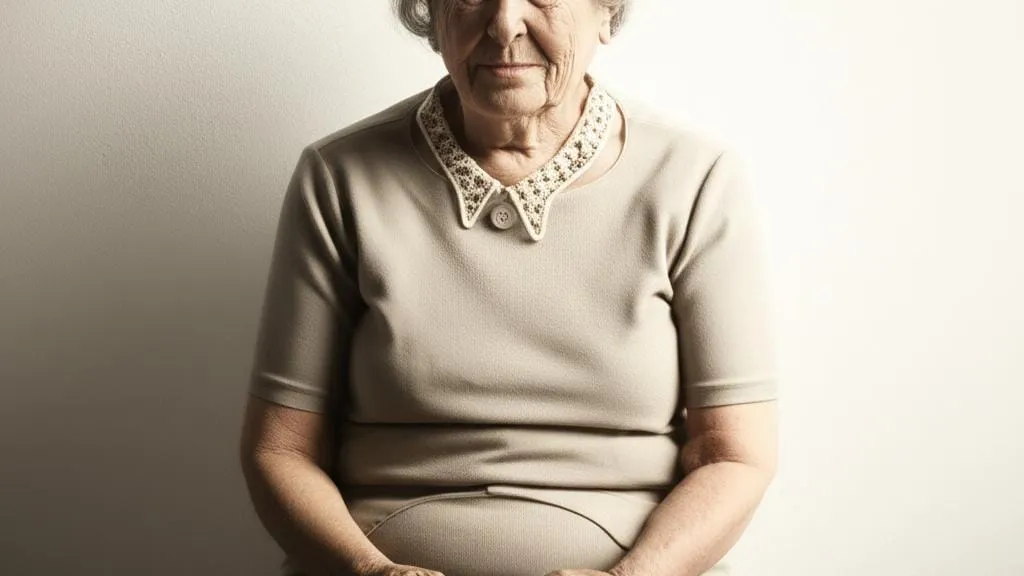
We often think that it is normal for our parents, grandparents, or grandparents to forget things as they get older. We tell ourselves, "Oh, that's just something that happens when you get older." But sometimes, age is not the only reason behind this forgetfulness. Especially if you see an elderly person in your home looking very thoughtful, sad, or frustrated, it can directly affect their memory. That's what we're talking about today. That is, whether depression can cause memory loss.
PHQ-9 depresión uñakipaña. Mä herramienta validada 9 jiskt’awinakampi sintoma depresivo ukanaka uñakipañataki. Sapa kutiw qullirir jisktʼasiñama, ukhamatwa uka usux kunjamas uk yatiñataki ukat qullañataki.
What is the relationship between depression and memory?
We usually think that when someone loses their memory and can't do things, they feel sad and depressed. That's true. But new research has found that it can also have the opposite effect. That is, a person can lose their memory due to stress and depression .
Think about it this way. Your mother is someone who always does housework and runs around the house. But for a while now, she has started to forget things. She doesn't remember something she talked about in the morning in the evening. If she goes somewhere on the weekend, she doesn't remember it by the middle of the week. At the same time, you notice that she has become a little less talkative and seems sad. We often think, "Oh, Mom is sad because she forgets things."
But could it be that long-term stress or sadness (depression) in his mind was the original cause of this memory loss? This is the most important thing that doctors are now looking into. Because if this is true, not all memory loss is an irreversible part of aging. That is, if depression is treated properly, it may be possible to slow down, or even stop, this memory loss.
"If we look at someone and think, 'This person has irreversible dementia,' we won't do anything for them. But if we treat their depression, we have a chance to stop their memory loss," says a neuroscientist.
How does this affect our brain?
To understand this, we need to know a little scientific story. Our bodies have a hormone called cortisol . We call this the "stress hormone." When we are under pressure, afraid, or facing an exam, our bodies produce more of this hormone.
Normally, this hormone level fluctuates throughout the day. But if someone is suffering from stress or depression for a long time, their body will always have a slightly higher level of this hormone, cortisol. It's like water dripping continuously from a tap. This constant level of cortisol damages a very important part of our brain.
That part is the hippocampus.This is a small, seahorse-shaped, but very powerful part of our brain that is involved in memory and learning new things. Research shows that due to prolonged stress and high cortisol levels, this hippocampus gradually begins to shrink or weaken.
Here's the difference between these two things.
| Condition | Effect on the brain |
|---|---|
| Short-term pressure (e.g., a job interview, an exam) | Cortisol levels temporarily increase. At that time, it may be difficult to remember things like words. But when the stress is over, it returns to normal. There is no long-term damage to the hippocampus. |
| Long-term depression/stress | Cortisol levels remain relatively high. This can cause the hippocampus, the memory center of the brain, to gradually shrink and damage its cells. This is what causes memory to gradually weaken. |
Don't confuse aging with depression.
The important thing here is that there is no strong evidence that the hippocampus shrinks simply because we age. In one study, MRI scans of the brains of women with and without depression were performed.
The researchers were surprised by what they saw. The hippocampus of women with depression was smaller than that of those without depression. They also scored lower on memory tests. This was not affected by age. This means that a 30-year-old with depression and a 70-year-old with depression can both have damage to this part of the brain.
So what do we do? Is there a treatment?
Here's the best news. This is something to be hopeful about.
Research clearly shows that when depression is properly treated, cognitive function, including memory, improves . Scientists believe that it is possible to reduce and perhaps even reverse the damage to brain cells.
Therefore, the most important thing is to recognize these symptoms early.
- Do you or anyone in your family feel like you are losing your memory?
- At the same time, is he very sad, frustrated, and uninterested in anything?
- Have you lost interest in your daily activities?
If you have any of these symptoms, don't just dismiss them as "something that happens as you get older." Be sure to talk to your doctor about it. Your doctor will run the necessary tests and determine if the cause is depression or another condition, such as Alzheimer's disease. Whatever the cause, early detection and treatment can make a big difference.
Research into the relationship between depression and memory is still ongoing. Not everything is 100% clear yet. But one thing is clear: Depression is a treatable illness. Treating it can help protect your mental well-being, as well as your brain health.
💡 Take-Home Message
- "Age" is not always the cause of memory loss in an elderly person. Long-term depression or stress may be the hidden reason behind it.
- The hormone cortisol, which is released due to prolonged stress, can damage the hippocampus, the memory center of the brain.
- The good news is that with proper medical treatment for depression, memory can often be restored.
- If you or a loved one is experiencing memory loss along with symptoms such as sadness and depression, don't ignore it. See your doctor immediately for advice.






Janiw kuna arsuwinakas jichhakamax uñt’ayatäkiti. Aka chiqanx amuyt’awim jan ukax jiskt’awim yapxatañamawa.