
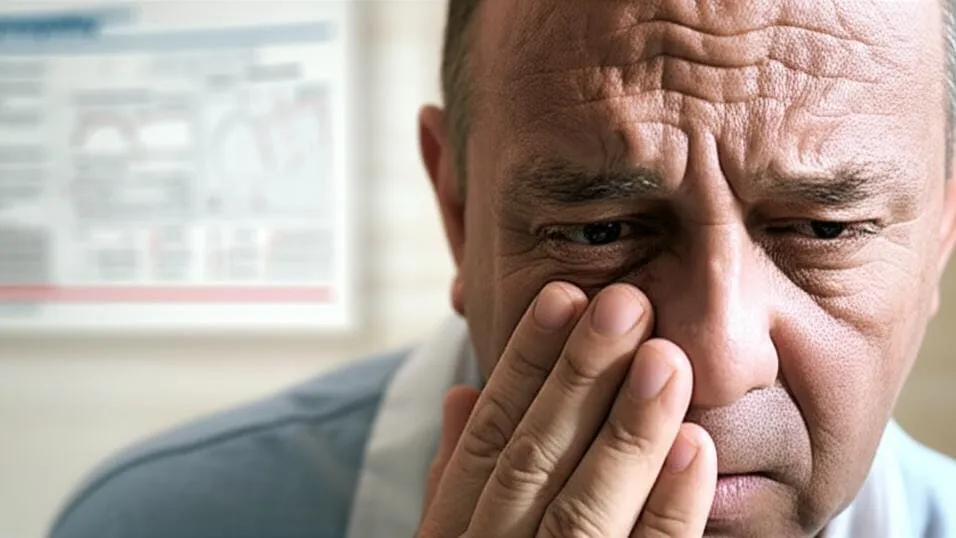
When the doctor tells you that you have diabetes, the first thing that comes to mind is controlling your blood sugar. But did you know that uncontrolled diabetes can secretly damage another important organ in your body, the kidneys? This is not something that happens to many people, but it is a common complication of diabetes. This condition is also called Diabetic Kidney Disease (DKD), Chronic Kidney Disease (CKD) or Diabetic Nephropathy. So today, let's talk about the connection between diabetes and kidney disease.
eGFR calculadora ukaxa CKD-EPI 2021 ukampi luratawa. Creatinina uksatxa riñon lurawipa jakhthapiña ukhamaraki CKD etapa uñt’aña.
How does this happen?
Simply put, your kidneys are like a filter in your body. The main function of the kidneys is to filter waste products from the blood and pass them out of the body as urine.
When you have Type 2 Diabetes, your blood sugar levels may be consistently high. Think about it, inside these kidneys there are millions of very fine, tiny filters, which we call glomeruli. When your blood sugar levels are consistently high, these tiny filters are put under a lot of strain. It's like a tea filter getting clogged when you filter dirty water all the time.
When this pressure is applied over time, these delicate filters begin to be damaged. Eventually, even things like albumin, an important protein that the body needs to keep, start to leak through these filters and out with the urine. In other words, protein begins to "leak" from the kidneys.
Symptoms and detection
The scariest thing about this is that in the early stages, you may not have any symptoms. Even though your kidneys are already damaged, you may not feel anything about it.
That's why it's extremely important to have your doctor's kidney tests done on time.
For this, a urine sample and a blood sample are mainly tested.
- Urine test: If the kidneys are not working properly, there will be too much of a protein called albumin in the urine.
- Blood test: This can check if your kidneys are filtering blood properly.
The table below shows the difference between these two stages.
| Stage of the disease | Things to see |
|---|---|
| Early Stage | There are no symptoms. Therefore, the only way to know if you have the disease is to undergo the tests prescribed by your doctor. |
| When the disease progresses (Later Stage) |
|
What factors increase the risk?
The longer your diabetes is uncontrolled, the greater your risk of developing kidney disease. If your blood sugar levels are consistently high, your risk of kidney damage increases.
In addition, these factors also increase the risk:
- Having high blood pressure
- Smoking
- Having kidney disease in someone in the family (mother, father, siblings)
- Having heart disease
- Weight gain (obesity)
- Lack of physical exercise
- Not following a proper diet to control diabetes
- Adding too much salt (sodium) to food
How to protect the kidneys? (Prevention)
The most important thing you can do to protect your kidneys is to control your diabetes. That alone can reduce your risk of kidney disease by about a third. That means,
- Checking blood sugar levels at regular intervals
- Taking the medicine exactly as prescribed by the doctor
- Following a proper diet
- Attending clinics on scheduled dates
Also, if you have other medical conditions, such as high blood pressure, it is essential to control them well.
It is very important not to take over-the-counter pain relievers without consulting your doctor. Some pain relievers can damage your kidneys if used long-term. So, if you are in pain, ask your doctor what the safest medicine is to take.
If you smoke, quit today. If you are overweight, lose weight. Your doctor can help you with all of these.
What are the treatments?
If tests show that your kidneys have been damaged, your doctor's first goal will be to stop the disease from getting worse. To do this, they will create a plan to help you control your blood sugar and blood pressure.
There are a few things you can do for this too:
- If overweight, lose weight.
- Exercising regularly
- Complete abstinence from alcohol and tobacco
- Reducing salt intake
Medications can also help. Some medications for high blood pressure, such as ACE inhibitors and ARBs, have been shown to slow the progression of kidney disease. Even if you don't have high blood pressure, your doctor may prescribe these medications to protect your kidneys. In addition, newer classes of diabetes medications, such as SGLT2 inhibitors , GLP-1 agonists, and nonsteroidal mineralocorticoid receptor antagonists (MRAs), can also help control kidney disease caused by diabetes.
Also, your doctor may advise you to reduce the amount of protein you eat to reduce the burden on your kidneys.
What is Kidney Failure?
If kidney disease progresses to a stage called kidney failure, it means that your kidneys are working at 10% to 15% of their normal capacity. This means that the kidneys are unable to do the cleaning and fluid removal work needed to keep the body functioning.
We call this condition End-Stage Renal Disease (ESRD). These patients require dialysis or a kidney transplant to survive.
But don't be alarmed. Not everyone who develops kidney disease due to diabetes will develop this serious condition. The majority of people can manage the disease with proper treatment and lifestyle changes.
The most important thing is to control your diabetes well, take care of your health, and follow the tests and treatments prescribed by your doctor.
💡 Take-Home Message
- Uncontrolled diabetes can secretly damage your kidneys.
- Since there are no symptoms in the early stages, it is essential not to skip the urine and blood tests prescribed by your doctor.
- The best way to protect your kidneys is to keep your blood sugar and blood pressure under control.
- Be sure to talk to your doctor before using any new medication, especially painkillers.
- A healthy lifestyle (good diet, exercise, and smoking cessation) can significantly control the progression of kidney disease.





Janiw kuna arsuwinakas jichhakamax uñt’ayatäkiti. Aka chiqanx amuyt’awim jan ukax jiskt’awim yapxatañamawa.