
⚡ Herramienta Clínica de Salud uka tuqita
HbA1c ukatxa Promedio de Azúcar Wila Convertidor & Calculadora
HbA1c ukax wilan glucosa ukar mayjt’ayi. HbA1c (%), mmol/mol, ukhamaraki glucosa promedio wilanxa mg/dL ukhamaraki mmol/L ukjamaraki mä ratuki mayjt’ayaña.
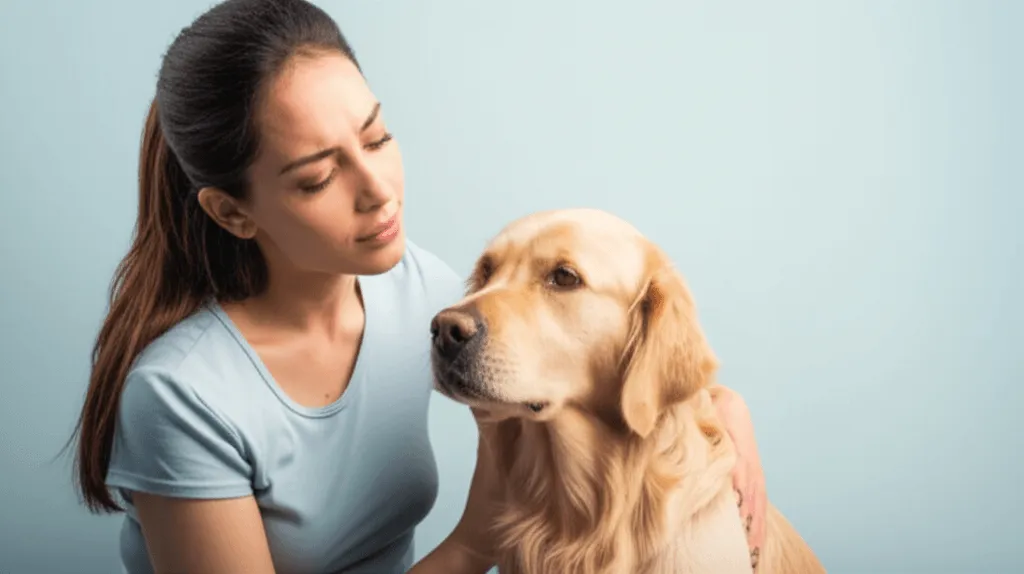
How do these dogs help diabetics?
If you have diabetes, it means that your body has difficulty using the food you eat properly and turning it into energy. As a result, your blood sugar levels can become dangerously high. This is medically known as hyperglycemia . If this condition continues, serious complications such as eye disease, kidney damage, heart attack, and stroke can occur. Insulin, a medication used to treat diabetes, is used to control high blood sugar levels. However, a common side effect of insulin is that blood sugar levels suddenly drop too low. This is known as hypoglycemia . This condition is also very dangerous. It can cause seizures and even coma. Therefore, it is very important to recognize and treat this condition quickly. Now, look, the symptoms of high blood sugar (Hyperglycemia) and low blood sugar (Hypoglycemia) are very similar. For example, things like dizziness, confusion, drowsiness. So, this diabetes service dog is trained to let you know when your blood sugar levels are starting to change dangerously, while you're still conscious. Then you can quickly treat it or call for help. The way these dogs let you know varies depending on their training.- Some dogs pat you with their paws.
- You feel a nudge.
- Lick you.
- Or just looking at you.
- Some other dogs have been trained to communicate this by barking and whining .
- There are dogs trained to bring you your blood glucose monitor.
How do these dogs sense blood sugar levels?
This is a very surprising thing. The idea first came about after it was observed that ordinary pet dogs, without any training, changed their behavior when their owners' blood sugar levels dropped. It was only then that experts began to research this and find ways to train dogs to do the same. Scientists think this:When our blood sugar levels change, the chemicals in our breath, saliva, and sweat change their scent. Dogs have a very sensitive sense of smell and can detect these changes. These dogs are trained using sweat samples from their future owners. That is, sweat samples taken when the owner's blood sugar is low and sweat samples taken at a normal time are used. During training, the dog is rewarded each time it correctly identifies the sample taken when the blood sugar is low. This ability is developed through continuous training.Can these dogs really be trusted?
This is a very important question. The results of scientific studies on this topic are really mixed. Some studies have shown that these dogs are more likely to correctly alert people to low blood sugar (hypoglycemia) than to normal blood sugar levels. A 2016 study showed that these dogs were able to alert people to low blood sugar even when their owners were not showing any symptoms and were therefore unaware that their blood sugar was low.However, other research suggests that the accuracy of these dogs can vary greatly from one person to another, and that some dogs' performance is no more than a simple coincidence.The most important thing is that compared to a wearable device called a Continuous Glucose Monitor (CGM) , which automatically measures our blood sugar levels throughout the day, the accuracy of these dogs is much lower.
| Challenge | Description |
|---|---|
| Problems at night | Many people expect this dog to alert them if their blood sugar drops during sleep at night. But the problem is, dogs need to sleep too. It has been found that their accuracy is much lower at night. |
| Cost | It can cost between US8,000 and 20,000 to acquire a trained dog like this, which is hundreds of thousands of rupees in Sri Lankan currency. Even with help from some organizations, this is a big investment. |
| Ongoing expenses | After getting a dog, there are ongoing veterinary expenses and food and drink expenses. These can be more than for a regular pet. |
| Retraining | To ensure that the dog's abilities are still there, you will need to have a trainer re-examine the dog from time to time. You may also need to provide additional training. |
So, what are the real benefits of having this dog?
Although researchers have varying opinions about the accuracy of the dogs' actions, owners who keep these dogs report being very satisfied. They have great confidence in their dogs, and they feel that their diabetes control has improved because of the dog. Other reported benefits include:- Reducing the constant fear of low blood sugar (hypoglycemia) and high blood sugar (hyperglycemia).
- Being able to participate in physical activities like exercise without fear.
- Helps in controlling blood sugar levels.
- Reduced chances of fainting due to low blood sugar.
- Reduced need to go to the Emergency Treatment Unit (ETU) or call an ambulance.
- Increased confidence and independence in being able to work alone without anyone's help.
- Overall improvement in quality of life.
The important thing is that a dog like this is just an additional help in managing your diabetes. It is never a substitute for checking your blood sugar levels daily and taking your medication as prescribed by your doctor.If you're considering this type of service, be sure to talk to your doctor about your diabetes status, other monitoring methods, and alert options. He or she can help you choose the most appropriate and safest method for you.
💡 Take-Home Message
- Diabetic Service Dogs are animals specially trained to alert people to dangerous fluctuations in blood sugar levels.
- They do this with our breath, sweat , andThey detect changes in the chemical odors emitted from saliva through their sensory senses.
- Although there are varying scientific opinions about the accuracy of these dogs, they provide their owners with great psychological comfort, security, and new energy for life.
- Raising a trained dog like this can be very expensive, and requires ongoing expenses and retraining.
- The important thing is, these dogs are just an additional help in your diabetes management. They are never a substitute for your daily blood sugar monitoring and doctor's advice.





Janiw kuna arsuwinakas jichhakamax uñt’ayatäkiti. Aka chiqanx amuyt’awim jan ukax jiskt’awim yapxatañamawa.