
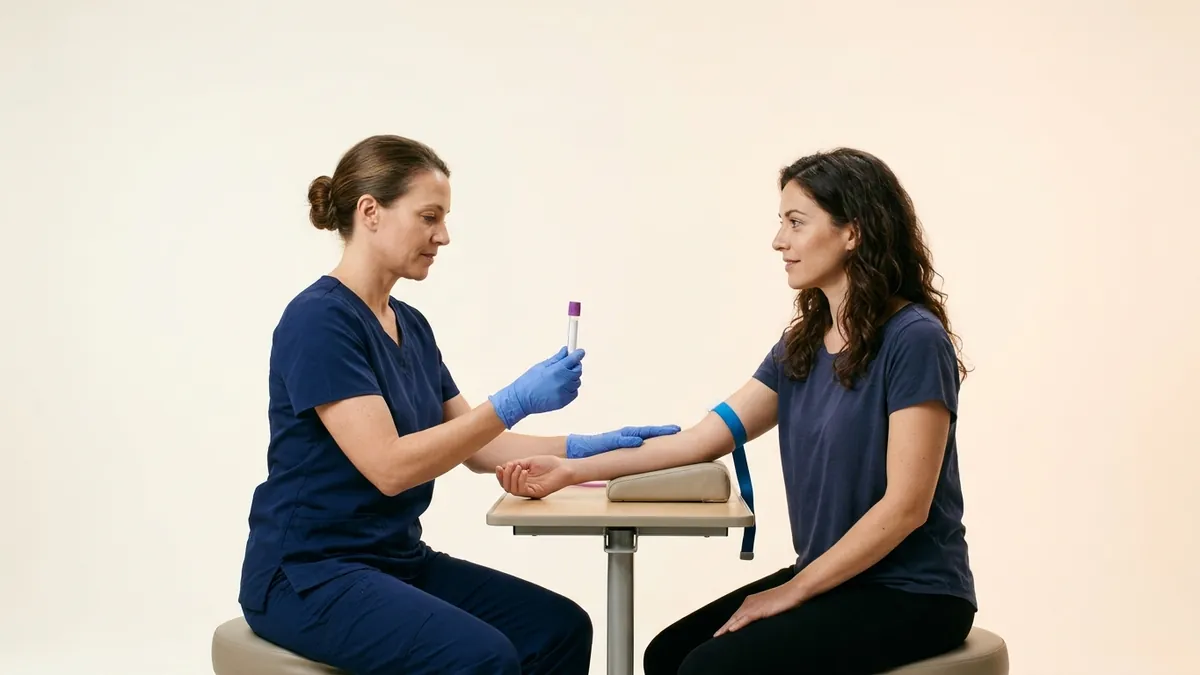
Are you someone who uses insulin for diabetes at home? Or did you recently do a COVID-19 rapid test and throw away the kit? Where did you put the gauze or plaster that you used to apply medicine to a wound? Is it right to throw away such things used in healthcare services with the general kitchen garbage? That's what we call medical waste . If these are not managed properly, they can cause great harm to us and our environment. So, let's be aware of this today.
Simply put, what is this medical waste?
Medical waste is anything left over from your or someone else's healthcare. It accumulates in large quantities at home, as well as in places like hospitals, clinics, and labs.
Think about these examples:
- Sharps: Things like needles and syringes.
- Disposable masks.
- Wound dressings: used gauze, bandages, plasters.
- Body parts removed during surgery.
- Samples taken for testing: blood, urine , stool samples.
- Chemicals : Some chemical substances used for treatments or tests.
- Sterile medical equipment.
What are the main types of medical waste?
These wastes are not all the same. They can be divided into several main types based on their risk. Let's see what they are.
| Waste type | Description and examples |
|---|---|
| Infectious or Biohazardous | Items contaminated with germs that can cause disease in humans. These are the types that pose the greatest risk. Examples: items contaminated with blood or other body fluids, microbial samples grown in labs, swabs or bandages taken from infected patients. |
| Sharps Waste | Objects with sharp edges or points that can injure or pierce the skin. These are the most common causes of injury. Examples: needles, syringes, scalpels and blades. |
| Pathological Waste | Human tissues, organs, body fluids, and body parts fall into this category. |
| Chemical Waste | Things like solvents and disinfectants used in labs. |
| Pharmaceutical Waste | Expired, unused, and contaminated medicines and vaccines. |
| Cytotoxic Waste | Residues from medications that are given to kill rapidly growing cells, such as cancer cells. These substances can be very harmful to health. |
| Radioactive Waste | Waste from tests such as PET scans and radiation treatments in nuclear medicine. |
| Non-hazardous waste | These do not pose a major health risk. Examples: paper, plastic, gloves, bandages that have not been contaminated with blood or germs, and medicine packaging. |
How to properly dispose of sharps?
This is a very important thing. Because there are people who use injections like insulin for diabetes and other diseases at home. What would happen if these people's used needles and syringes were thrown into the regular trash can? Imagine, if this needle pricked the hand of the person who comes to collect the trash? How likely is it that he would contract a dangerous disease (like HIV , hepatitis B/C)?
Never, for any reason, put sharp objects like used needles and syringes in a regular trash bag or trash can. Do not flush them down the toilet.
So what should you do?
You should use a special container (Sharps disposal container) for these. This container should look like this:
- It should be made of thick plastic.
- It should have a lid that can be closed tightly and cannot be pierced.
- It should be able to be kept upright and not move when in use.
- There should be no liquid leakage.
- There should be a label warning that the contents are hazardous waste.
Keep this container out of the reach of children and pets . Dispose of it properly when it is about three-quarters full. This will reduce the risk of needles coming out and causing accidents. You can get advice from your local waste collection service or local MOH office on how to dispose of such a container. You can also ask your doctor about this.
Where does this waste come from and how is it managed?
We all create medical waste in some way. From throwing away a mask at home to major surgery in a hospital, this waste accumulates.
These mainly come from:
- From hospitals and other medical centers
- From labs and research centers
- From morgues
- From places where animal research is conducted
- From blood banks
- From nursing homes
In hospitals, this infectious waste is often destroyed by incineration in special ovens. However, since this can cause air pollution, environmentally friendly alternatives such as microwave technology and steam sterilization are now being used instead. These methods eliminate the infectious nature of the waste and make it safe for burial underground.
How has the COVID-19 pandemic affected this?
Yes, the COVID-19 pandemic has led to a massive increase in the amount of medical waste around the world. Used test kits, syringes and needles left over from vaccinations, PPE kits, masks, and other items have accumulated in the thousands of tons. Even the World Health Organization (WHO) reported that this huge amount of waste poses a serious threat to human health and the environment. Therefore, they have recommended focusing on the use of reusable protective equipment, environmentally friendly packaging, and non-incineration methods for waste disposal.
💡 Take-Home Message
- Never throw household sharps , such as needles and syringes, into the trash. Use a separate, safe container for them.
- Place items such as home rapid test kits and bandages that have been soiled with blood or body fluids in a separate bag, seal it tightly, and throw it in the trash.
- Do not flush expired or unused medications down the toilet. Consult your doctor for advice on how to properly dispose of these.
- Proper disposal of medical waste is essential for the safety of our families, garbage collectors, and the environment as a whole. It is the responsibility of all of us.





Janiw kuna arsuwinakas jichhakamax uñt’ayatäkiti. Aka chiqanx amuyt’awim jan ukax jiskt’awim yapxatañamawa.