
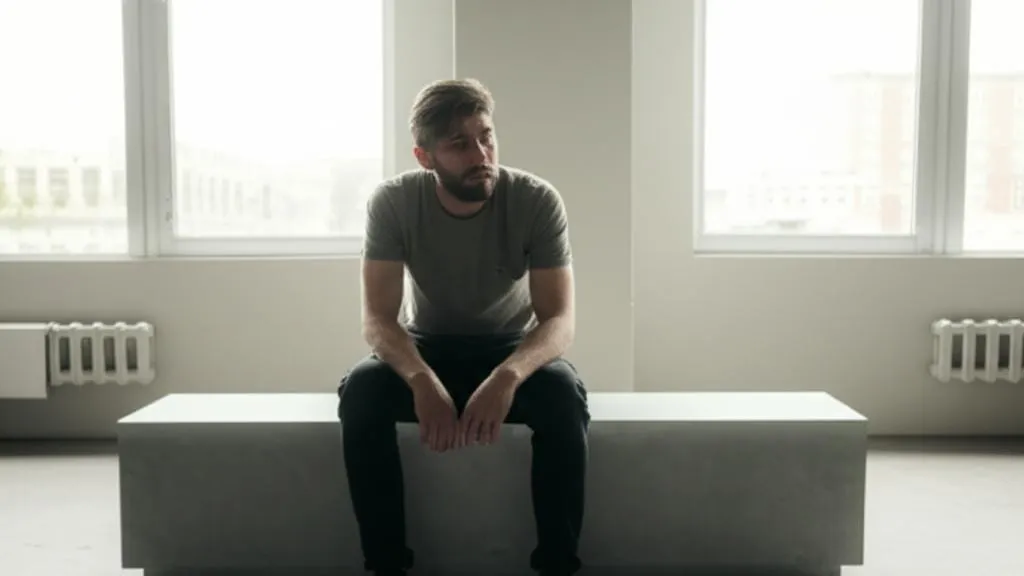
It is normal to feel sad and lonely at times. But if this sadness and loneliness persist for days or weeks, and if you no longer have any interest in the things you used to enjoy, it may be more than just normal sadness. Today we are talking about 'Depression', which is common among many people but is not really discussed. In particular, let's look at what Unipolar Depression is.
PHQ-9 depresión uñakipaña. Mä herramienta validada 9 jiskt’awinakampi sintoma depresivo ukanaka uñakipañataki. Sapa kutiw qullirir jisktʼasiñama, ukhamatwa uka usux kunjamas uk yatiñataki ukat qullañataki.
Simply put, what is Unipolar Depression?
This name may sound a bit complicated to you, but let's keep it simple. Unipolar Depression is another name for major depressive episode.
Think of our mood as a cycle of ups and downs. "Uni" means 'one' or 'single'. "Polar" means 'one extreme' or 'one pole'. And 'Unipolar' means 'one extreme'. That means your mood only goes to the low end, which is the sad, depressing, lifeless side.
This is how it differs from Bipolar Depression. The Bi in Bipolar means two. That means the mood goes to two extremes. One extreme is the depression, or sadness, that we are talking about. The other extreme is the (manic) or (hypomanic) state, where you feel extreme happiness, excitement, and uncontrollable energy.
So, to put it simply, if you have Unipolar Depression,'' you don't have those manic episodes. You just experience low mood.
Because the symptoms and treatments for these two conditions are different, it's important to talk to a doctor, psychiatrist, or counselor to find out exactly which type you have, rather than trying to determine which type you have yourself.
Do you also have these symptoms?
The symptoms of depression can sometimes be difficult to recognize, even for ourselves. Check out the chart below to see if you've experienced any of these.
| Symptom | Simple description ) |
|---|---|
| Apathy | Things you used to enjoy, like hobbies, talking to friends, now feel worthless and empty. |
| Extreme Sadness & Emptiness | I feel a great sadness, loneliness, and emptiness all the time. Sometimes I cry for no reason. |
| Irritability | For some, sadness is replaced by anger and irritability. They get angry over small things, feel like they are in trouble, and get angry quickly. |
| Slowness of thoughts and activities | If you feel like the way you talk, walk, or even think is slower than usual, that's a common symptom of this condition. |
| Suicidal Thoughts | This should definitely be treated as an emergency. If you are having frequent thoughts of ending your life, or planning to do so, it is not normal. Please see your doctor immediately if you are having these thoughts, or go to the nearest hospital emergency room (ETU). Talk to someone you trust about this and ask for help. |
Sometimes other medical conditions can cause these same mental symptoms. For example, hypothyroidism can cause fatigue, weight gain, and mood swings. So, be sure to see your doctor for a proper diagnosis.
Why is this happening? What are the reasons?
Just as depression is not treated the same way for everyone, the causes of it are also different. It is not possible to say that there is only one cause. It is usually a combination of several reasons.
- Traumatic events in life: the death of a loved one, the birth of a child (especially for mothers), problems at work, and the breakup of a relationship can all affect this.
- Genetic influence: If someone in your family, especially a close relative like a parent or sibling, has depression, you are at slightly higher risk of developing the condition.
- Other illnesses:Depression can also be caused by the stress of living with a chronic illness.
- Chemical changes in the brain: Imbalances in the neurotransmitters in the brain that control our mood can also cause this.
Well, what are the treatments for this?
Don't panic if you find out you have depression. It's a treatable condition. Treatment isn't a one-size-fits-all pill. It's usually a combination of several approaches.
1. Medication
There are several types of medications used to treat depression. These medications often work by adjusting the levels of chemicals in our brains, such as serotonin. Serotonin is a chemical that affects many things, including our mood, appetite, and sleep. SSRIs (Selective Serotonin Reuptake Inhibitors) are one of the most commonly used types of medications.
The most important thing is not to use these without the advice of a doctor, nor to stop taking the medication suddenly. Also, since the medications given for Unipolar and Bipolar conditions are different, it is very important to get an accurate diagnosis.
2. Therapy / Counseling
Along with medication, counseling is a very important part of treating depression. Talking to a trained counselor about your feelings, stress, and sadness can help you to release your emotions. It can also help you learn how to cope with life's challenges and manage your thoughts.
3. Lifestyle Changes
Although these things alone cannot completely cure depression, they can be a great boost to your mental well-being.
- Diet: Eat a well-balanced diet. A diet rich in vegetables, fruits, legumes, fish, and olive oil is good for both the mind and body.
- Sleep: Good sleep is essential for mental well-being. If you have trouble sleeping, talk to your doctor about it. It is difficult to recover from depression without good sleep.
- Relationships: It's normal to feel lonely and isolated when you're depressed. But it's important to talk to a trusted friend or family member about what's on your mind and spend time with them, even if it's just for a little while.
- Routine: Even though it may be difficult, it's important to establish a routine for your day. Start with small things like getting up at the same time every day, eating a good breakfast, and going for a short walk.
- Exercise: Engaging in simple exercise, such as walking or running, for 30 minutes daily releases hormones that improve mood.
Don't suffer alone - get help.
If you are suffering from this condition, please do not stay alone. Isolating yourself can make things worse. Talk to a trusted friend, family member, your doctor, or a religious leader about this. Asking for help is not a sign of weakness, it is a strong decision to make with someone who cares about you and loves you.






Janiw kuna arsuwinakas jichhakamax uñt’ayatäkiti. Aka chiqanx amuyt’awim jan ukax jiskt’awim yapxatañamawa.