
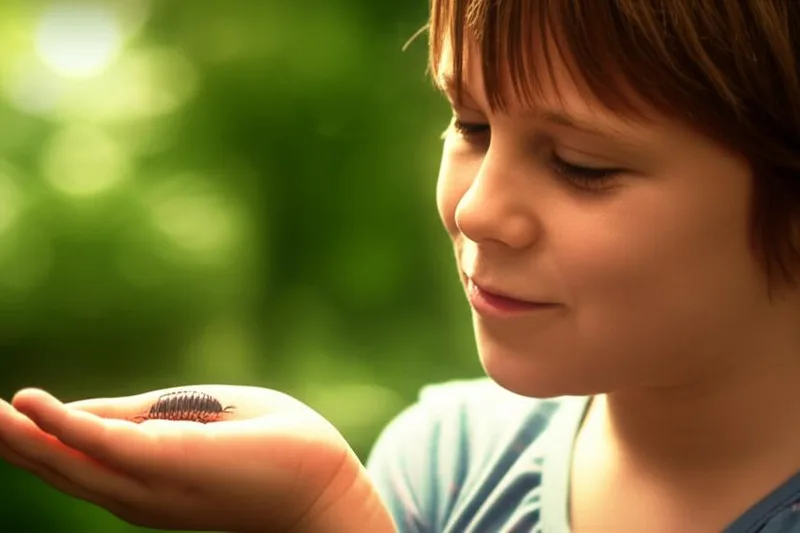
What you need to know about the 'Pill Bug' in the garden

What you need to know about the 'Pill Bug' in the garden

Have you ever seen a small animal in your garden suddenly curl up into a ball when you remove a flower pot or roll a stone in a damp place? When we were kids, we used to poke these animals with our fingers and wait for them to curl up into a ball. Many people think that this is an insect. But who is this really? Are they good or bad for our garden and us? Today, let's talk about this 'ballworm' or 'coiled worm'.

Who really is this 'ballworm'?

Although it looks like an insect at first glance, this animal is not really an insect. The surprising thing is that this animal belongs to the crustacean family, which has evolved to live on land. Simply put, they are the closest living relatives of animals like shrimp, crabs, and lobsters.

Originally native to the Mediterranean region, these animals have spread to almost every corner of the world due to human activities. The most common species seen in our country is the `(Armadillidium vulgare)`. If there is any threat, movement, or someone like us pricks their finger, they curl up into a tight ball to protect themselves.

How do they look?

Ball worms have slightly different body features. Let's see what they are.

Body feature Description
Shape and size It is oval in shape. It is longer than it is wide. It usually ranges in size from about 1/4 of an inch to about 5/8 of an inch.
Number of legs There are 14 legs (that is, 7 pairs).
Nature of the body Their bodies are like armor. The upper part is made up of seven plates stacked one on top of the other. This flexibility allows them to curl up easily and protect the sensitive parts underneath.
ColorIt can vary from dark brown to gray-black.

Are ball worms really bad?

Many people wonder whether these kinds of animals in the garden are harmful to us.

Actually, roundworms don't bite us or spread any diseases, so there's no reason to be afraid of these creatures.

They are often very friendly to the environment. Their main job is to eat dead leaves, plant parts, and animal waste, decompose them, and add them back to the soil. In other words, they help a lot in improving the quality of the soil.

But, sometimes they can be a nuisance. How is that?

Especially during heavy rains, when the humidity in the environment increases, their population suddenly increases significantly. Then, when there is not enough decaying matter for them to eat, they start eating the tender parts of newly planted seedlings, flowers, and vegetable plants in our garden. Sometimes, they can completely eat a small plant in one night.

Some of the plants they enjoy eating:

  • Newly planted vegetable plants such as chilies, tomatoes, and eggplants
  • Flowers like Pansies and Dahlias
  • Vegetables that grow close to the ground (e.g. cucumbers)

If your garden is also suffering from this type of damage to plants, you will need to find ways to control the bollworm population.

If there are too many of them at home, how do you control them?

If you see a couple of ball worms walking around inside your house, it means there's a large colony of them somewhere outside. The best way to control them is to eliminate the moist, cool environments where they can hide and breed.

Control them in the garden:

  • Clean up and remove any accumulated debris in the garden, such as dead leaves, grass, and decaying wood .
  • Place objects like flower pots, logs, and rocks slightly above the ground, without touching it. This will reduce moisture retention underneath them.
  • Eliminate standing water around the house and allow the soil to dry thoroughly.
  • If you use pesticides or bait traps, be sure to read the instructions carefully and follow them very carefully. Many pesticides can be very dangerous to people and pets if not used correctly.

Stop coming inside the house:

  • Seal areas such as door edges and cracks in the foundation well.
  • If it comes inside the house, you can pick it up by hand and throw it out or pull it out with a vacuum cleaner.
  • If there are areas inside the house that are constantly damp, especially in the basement or attic, let them dry out.
  • If the situation cannot be controlled, seek the assistance of a professional pest control service.

You can also raise ball worms for fun!

Sometimes, instead of killing them, you might be interested in raising them. Maybe you want to raise them for a school science project, to teach young children about animals, or even as pets. Then you're in luck, because they're very easy to find and maintain.

You can find them in a damp spot in your garden, under a flower pot or under a rock. Since they are harmless, you can pick them up by hand and put them in a tank. They prefer to be in groups rather than alone. So if you put several together, they will breed and thrive in the environment you have created.

Some surprising facts to know

  • The mother carries the eggs in a special pouch (`brooding pouch`) on the underside of her body. The young hatch after 45 days.
  • Coming from an aquatic environment, their biggest challenge is retaining water in their bodies. Although they can survive for about 3 months without food, they cannot survive for more than two days in a dry environment.
  • A ball worm usually lives for about two years.
  • Most species become sexually mature and begin breeding when they are about a year old.

The next time you see these little, cuddly friends while you're working in the garden or just walking around, take a look. You'll realize that they're a much more wonderful creature than you thought.

Take-Home Message

  • A pill bug is not an insect. It is a land-dwelling animal belonging to the crustacean family, which includes shrimp and crabs.
  • They do not bite humans or spread disease, so they do not cause any harm.
  • They are often a beneficial group of animals that help the environment by enriching the soil.
  • Only when the population increases excessively can they cause damage to the plants in the garden.
  • Their populations can be easily controlled by keeping the moist, cool environments they prefer clean and dry.

pill bug, rolly polly, ball worm, insect control, gardening, pest control, environment, crustacean, sinhala health

Frequently Asked Questions (FAQ)

How do they look?

Ball worms have slightly different body features. Let's see what they are.

⚠️ Important: The medical articles and information on Nirogi Lanka are for general awareness only, and are by no means a substitute for professional medical advice, diagnosis, or treatment. For any medical problem you have, consult a qualified physician immediately.

💬 Comments (0)

No comments have been posted yet. Add your comment here for the first time.

Add your comment

Please calculate: 8 + 5 =
What you need to know about the 'Pill Bug' in the garden
How the Body WorksJuly 6, 2026

What you need to know about the 'Pill Bug' in the garden

Have you ever seen a small animal in your garden suddenly curl up into a ball when you remove a flower pot or roll a stone in a damp place? When we were kids, we used to poke these animals with our fingers and wait for them to curl up into a ball. Many people think that this is an insect. But who is this really? Are they good or bad for our garden and us? Today, let's talk about this 'ballworm' or 'coiled worm'.

Who really is this 'ballworm'?

Although it looks like an insect at first glance, this animal is not really an insect. The surprising thing is that this animal belongs to the crustacean family, which has evolved to live on land. Simply put, they are the closest living relatives of animals like shrimp, crabs, and lobsters.

Originally native to the Mediterranean region, these animals have spread to almost every corner of the world due to human activities. The most common species seen in our country is the `(Armadillidium vulgare)`. If there is any threat, movement, or someone like us pricks their finger, they curl up into a tight ball to protect themselves.

How do they look?

Ball worms have slightly different body features. Let's see what they are.

Body feature Description
Shape and size It is oval in shape. It is longer than it is wide. It usually ranges in size from about 1/4 of an inch to about 5/8 of an inch.
Number of legs There are 14 legs (that is, 7 pairs).
Nature of the body Their bodies are like armor. The upper part is made up of seven plates stacked one on top of the other. This flexibility allows them to curl up easily and protect the sensitive parts underneath.
ColorIt can vary from dark brown to gray-black.

Are ball worms really bad?

Many people wonder whether these kinds of animals in the garden are harmful to us.

Actually, roundworms don't bite us or spread any diseases, so there's no reason to be afraid of these creatures.

They are often very friendly to the environment. Their main job is to eat dead leaves, plant parts, and animal waste, decompose them, and add them back to the soil. In other words, they help a lot in improving the quality of the soil.

But, sometimes they can be a nuisance. How is that?

Especially during heavy rains, when the humidity in the environment increases, their population suddenly increases significantly. Then, when there is not enough decaying matter for them to eat, they start eating the tender parts of newly planted seedlings, flowers, and vegetable plants in our garden. Sometimes, they can completely eat a small plant in one night.

Some of the plants they enjoy eating:

  • Newly planted vegetable plants such as chilies, tomatoes, and eggplants
  • Flowers like Pansies and Dahlias
  • Vegetables that grow close to the ground (e.g. cucumbers)

If your garden is also suffering from this type of damage to plants, you will need to find ways to control the bollworm population.

If there are too many of them at home, how do you control them?

If you see a couple of ball worms walking around inside your house, it means there's a large colony of them somewhere outside. The best way to control them is to eliminate the moist, cool environments where they can hide and breed.

Control them in the garden:

  • Clean up and remove any accumulated debris in the garden, such as dead leaves, grass, and decaying wood .
  • Place objects like flower pots, logs, and rocks slightly above the ground, without touching it. This will reduce moisture retention underneath them.
  • Eliminate standing water around the house and allow the soil to dry thoroughly.
  • If you use pesticides or bait traps, be sure to read the instructions carefully and follow them very carefully. Many pesticides can be very dangerous to people and pets if not used correctly.

Stop coming inside the house:

  • Seal areas such as door edges and cracks in the foundation well.
  • If it comes inside the house, you can pick it up by hand and throw it out or pull it out with a vacuum cleaner.
  • If there are areas inside the house that are constantly damp, especially in the basement or attic, let them dry out.
  • If the situation cannot be controlled, seek the assistance of a professional pest control service.

You can also raise ball worms for fun!

Sometimes, instead of killing them, you might be interested in raising them. Maybe you want to raise them for a school science project, to teach young children about animals, or even as pets. Then you're in luck, because they're very easy to find and maintain.

You can find them in a damp spot in your garden, under a flower pot or under a rock. Since they are harmless, you can pick them up by hand and put them in a tank. They prefer to be in groups rather than alone. So if you put several together, they will breed and thrive in the environment you have created.

Some surprising facts to know

  • The mother carries the eggs in a special pouch (`brooding pouch`) on the underside of her body. The young hatch after 45 days.
  • Coming from an aquatic environment, their biggest challenge is retaining water in their bodies. Although they can survive for about 3 months without food, they cannot survive for more than two days in a dry environment.
  • A ball worm usually lives for about two years.
  • Most species become sexually mature and begin breeding when they are about a year old.

The next time you see these little, cuddly friends while you're working in the garden or just walking around, take a look. You'll realize that they're a much more wonderful creature than you thought.

Take-Home Message

  • A pill bug is not an insect. It is a land-dwelling animal belonging to the crustacean family, which includes shrimp and crabs.
  • They do not bite humans or spread disease, so they do not cause any harm.
  • They are often a beneficial group of animals that help the environment by enriching the soil.
  • Only when the population increases excessively can they cause damage to the plants in the garden.
  • Their populations can be easily controlled by keeping the moist, cool environments they prefer clean and dry.

pill bug, rolly polly, ball worm, insect control, gardening, pest control, environment, crustacean, sinhala health

Frequently Asked Questions (FAQ)

How do they look?

Ball worms have slightly different body features. Let's see what they are.

⚠️ Important: The medical articles and information on Nirogi Lanka are for general awareness only, and are by no means a substitute for professional medical advice, diagnosis, or treatment. For any medical problem you have, consult a qualified physician immediately.

💬 Comments (0)

No comments have been posted yet. Add your comment here for the first time.

Add your comment

Please calculate: 8 + 5 =