
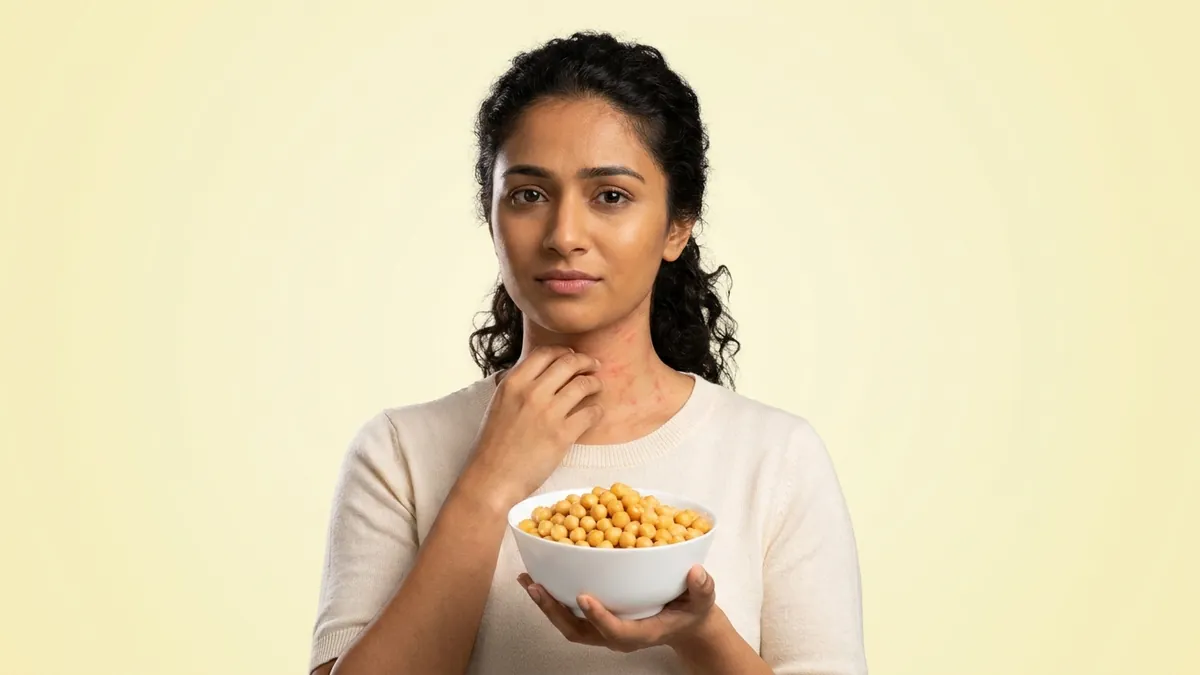
We all love to eat chickpeas, right? Whether it's cooked in oil, in a soup, or as a dish like hummus, chickpeas are a regular part of our diet. But did you know that this delicious food can be seriously harmful to some people's bodies, that is, allergic? Don't worry, this is not very common, but it is very important to be aware of this.
Simply put, what is this pea allergy?
Chickpeas are a type of legume, like lentils, peas, and mung beans. An allergy is when your body's defense system, the immune system , mistakenly perceives a food that is normally harmless as a serious threat.
Think of it this way. When you first eat chickpeas, your immune system thinks they're "the enemy" and makes special proteins called IgE antibodies to fight them off. Then, when you eat chickpeas again, those IgE antibodies bind to the proteins in the chickpeas and release chemicals called histamine throughout your body. That histamine is what causes the symptoms of an allergy, like hives, itching, and difficulty breathing.
Sometimes there are other types of allergies. We call them non-IgE mediated food allergies . These are caused by a different type of immune cell. There are fewer tests to accurately detect these. These types of allergies mostly affect your skin and digestive system.
Who is most at risk of developing this allergy?
Anyone can develop an allergy. But if you have these things, you're slightly more likely to develop a food allergy:
- Asthma
- Eczema and rashes
- Hay fever (allergy to things like pollen)
- If anyone in the family (mother, father, siblings) has allergies
Generally, in countries where a certain food is eaten regularly as part of the main diet, allergies related to that food are more common. This is why chickpea allergies are more common in countries like India.
What are the symptoms of a chickpea allergy?
The symptoms of a chickpea allergy are similar to those of other food allergies. While some people may experience mild symptoms, others may experience severe ones. Let's take a look at what these symptoms are.
| Allergy type | Visible features |
|---|---|
| Symptoms that appear within minutes or an hour after eating chickpeas (IgE-mediated) |
|
| Symptoms that appear a few hours or days after eating chickpeas (Non-IgE mediated) |
How do you know for sure if this is an allergy?
If you think you have a peanut allergy, the first and most important thing you should do is see your doctor right away. Don't make assumptions.
Your doctor may refer you to an allergist or a specialized clinic, where you may be tested for allergies, such as:
- Skin Prick Test: This involves scraping a small area of skin on your arm and placing a drop of pea protein on it. If you have an allergy, within 15-20 minutes the area will become red, swollen, and itchy, as if it were bitten by a mosquito.
- Blood Tests: This checks your blood for the IgE antibodies' we talked about.
These tests must be performed under the supervision of a doctor, as someone with a severe allergy may require emergency treatment even during the test.
Treatment and foods to avoid
The best treatment for a food allergy is to avoid that food completely. That means if you have a chickpea allergy, you shouldn't eat chickpeas or anything containing chickpeas.
Be especially careful about these things:
- Hummus and FalafelIt is a dish made entirely from chickpeas.
- Some canned soups and sauces may contain chickpeas.
- Pulse or legume mixes that include chickpeas.
- Biscuits and crackers made from chickpea flour.
- Things labeled as pea protein . Unless it's clear whether it's made from peas or another legume, it's wise to avoid it.
When buying food from a store, read the label carefully. When going to a restaurant, be sure to ask if the food contains chickpeas before ordering.
Another important thing is cross contamination . That is, if a food that does not contain chickpeas is put into a container that contains chickpeas, or if you use the same spoon, chickpea proteins can be mixed into that food. Therefore, be very careful when buying nuts that are in large containers at the store.
Serious conditions and complications
Cross-Reactivity
Chickpeas are a member of the legume family. So someone who is allergic to chickpeas may also be allergic to other foods in the same family that contain similar proteins. We call this cross-reactivity . Such foods include:
- Peas
- Peanuts
- Beans
- Fenugreek
Anaphylaxis - Life-threatening!
This is the most dangerous and severe case of a peanut allergy. Anaphylaxis is a medical emergency that occurs suddenly, affects the whole body, and can even be life-threatening.
| Emergency warning signs of anaphylaxis |
|---|
|
If you notice any of these symptoms, don't delay. Use an epinephrine auto-injector (like an EpiPen) that your doctor has given you. Then go to a hospital emergency room (ETU) immediately. This can be a life-or-death situation.
💡 Take-Home Message
- Although chickpea allergy is not very common, it can develop into a very serious condition.
- If you experience symptoms such as itching, rash, or difficulty breathing after eating chickpeas, see a doctor immediately.
- The best treatment is to completely avoid chickpeas and all foods containing chickpeas. Read food labels carefully and be vigilant at restaurants.
- Due to cross-reactivity, people who are allergic to chickpeas may also be allergic to other legumes, such as peanuts and peas.
- Anaphylaxis is a medical emergency. Be aware of the symptoms and what to do, and follow your doctor's instructions (especially about the epinephrine auto-injector) carefully.






Janiw kuna arsuwinakas jichhakamax uñt’ayatäkiti. Aka chiqanx amuyt’awim jan ukax jiskt’awim yapxatañamawa.