
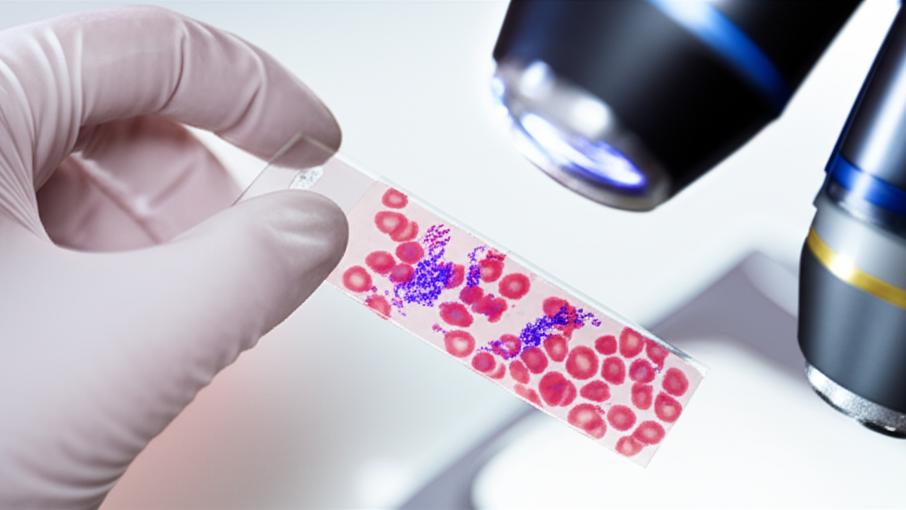
Have you ever gotten a blood test report, looked at the words on it, and thought, "What does this mean?" Maybe your doctor said, "Your neutrophils are a little high" or "low." What exactly are neutrophils? Don't worry, it's very simple. They're a special unit of our body's defense system. Let's talk about this in detail today.
BMI Calculator
Know your body mass index (BMI) and weight classification
Simply put, what are these neutrophils?
Imagine, our body is like a country. There is an army to protect this country. That army is our immune system . Of the different types of soldiers in this army, the most important and the first soldier to go into battle is the neutrophil .
These are actually a type of white blood cell in our blood. Between 50% and 75% of the white blood cells in our blood are these neutrophil soldiers.
What is their main duty?
Neutrophils have two main functions:
1. Fighting infections: When germs like bacteria, viruses, and fungi enter our bodies, the first thing that rushes to the site is neutrophils. They go and grab those germs and "eat them up" them, destroying them. It's like the police catching a thief.
2. Helping to heal wounds: When we get injured, these neutrophils also help in the healing process.
These neutrophils are produced in the bone marrow inside our bones. But their lifespan is very short, less than a day. Therefore, our bone marrow has to constantly produce new neutrophils.
How is neutrophil count measured?
If your doctor suspects that your neutrophil count is low or high, he or she will order a blood test.
- Full Blood Count (FBC/CBC) test: This is usually the first test done. Sometimes called a CBC with differential, this can check how many of each type of cell are in your blood.
- Absolute Neutrophil Count (ANC): This is also part of the same report as the one mentioned above. This is what allows us to know exactly how many neutrophils are in your blood.
The most important thing is, don't just jump to conclusions based on the values in a blood report. Those values can vary based on many factors, such as age and other medical conditions. So always talk to your doctor about it and get the right advice.
Normally, a healthy adult has between 2,500 and 7,000 neutrophils per microliter of blood. Anything above 7,700 is considered an increase (neutrophilia), and anything below 1,500 is considered a decrease (neutropenia).
What are the causes of increased neutrophil count (neutrophilia)?
An increase in neutrophils is medically called neutrophilia . There are several possible causes for this. It is not a single disease, but a symptom of another condition.
| Reason | Description and examples |
|---|---|
| Infections | This is the most common reason. When a bacterial infection enters the body, our immune system produces more soldiers (neutrophils) to fight it. This can also happen with some fungal and parasitic infections. |
| Inflammation | Neutrophils can increase in any disease that causes inflammation, that is, inflammation, somewhere in the body. Examples: (Rheumatoid arthritis) , (Gout) , (Ulcerative colitis) , burns, surgery, heart attacks. |
| Some medications | Some medications can also cause an increase in neutrophils as a side effect. Examples include drugs such as (Lithium) , (Heparin) , and (Corticosteroids) . |
| Types of cancer | This condition can also be seen in some types of cancer. Examples: Blood-related cancers such as (Hodgkin lymphoma) and (Chronic myelocytic leukemia) . |
Symptoms of increased neutrophils
There are no specific symptoms of an increased neutrophil count. We experience symptoms of the underlying medical condition that caused it.
- Fever
- Frequent infections
- Wounds take time to heal.
- Joint swelling and pain
- Excessive body fatigue
Causes of low neutrophil count (Neutropenia)
A decrease in neutrophils is called neutropenia . This is when the number of soldiers in our army decreases. This reduces the ability to fight germs. Therefore, the risk of developing infections is very high.
| Reason | Description and examples |
|---|---|
| Cancer and cancer treatment | Cancers that affect the bone marrow, such as leukemia and lymphoma , can reduce neutrophil production. Also, chemotherapy and radiation treatments can kill cancer cells along with healthy neutrophil production. |
| Some infections | Some viral infections can also temporarily lower neutrophil counts. Examples: Measles , Chickenpox , HIV/AIDS , Hepatitis . |
| Some medications | This condition can also be caused by some antibiotics , seizure medications, and some medications for mental illness. |
| Other medical conditions | (Lupus) , (Crohn's disease)Autoimmune disorders, vitamin B12 and folate deficiencies, and other diseases that affect the bone marrow can also cause low neutrophils. |
Symptoms of low neutrophils
Both an increase and a decrease in neutrophils do not cause any specific symptoms. However, because your body's defenses are low, you can easily get infections. Then the symptoms of those infections appear.
- Fever and malaise
- Sore throat
- Mouth sores
- Diarrhea
- Redness, swelling, and pain at the site of the injury
A fever in someone with low neutrophils is a medical emergency because the body is unable to fight off an infection. It is important to seek medical advice or go to a hospital's emergency department (ETU) immediately.
How are these conditions treated?
The most important thing is that the doctor does not treat the neutrophil count, but the underlying disease that caused the decrease or increase in that count .
- Neutrophilia: If the cause is a bacterial infection, antibiotics will be given. If the cause is another disease, the neutrophil count will return to normal when that disease is treated.
- Neutropenia: If the cause is a medication, the doctor will stop that medication and give you a different one. If it is an infection, they will treat it. If the cause is cancer treatment, they may give you special instructions to protect yourself from infections and may even give you a shot to increase your white blood cells.
Therefore, if there is a change in the neutrophil count in your blood report, don't panic, but talk to your doctor about it openly. He will conduct the necessary tests, find the exact cause, and provide you with the most suitable treatment.
💡 Take-Home Message
- Neutrophils are the main type of cells in our immune system that fight germs.
- An increase or decrease in the number of neutrophils in your blood is not a disease in itself. It can be a symptom of another medical condition.
- Never make a diagnosis based on a blood test. Always talk to your doctor and get proper advice.
- The doctor does not treat the neutrophil count, but the underlying disease that caused it.
- If you have low neutrophil counts (neutropenia), take special care to protect yourself from infections. Wash your hands frequently, avoid crowded places, and seek medical advice immediately if you develop symptoms such as fever.






No comments yet. Be the first to share your question or experience below.