

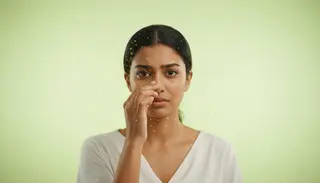
The cold weather has just started, and now you're sneezing and have a runny nose? You may think, "I've caught a cold again," but is this really just a common cold, or could it be an allergy we're not aware of? Sometimes the symptoms of these two are similar, so we're more likely to confuse them. So let's talk about this today.
Is it a cold? Is it an allergy? How do we tell the two apart?
At first glance, these two may seem similar, but if you pay a little attention, you can understand the difference between the two. Simply put, a cold will get better in three to five days, or a week at most. But the symptoms of an allergy can last for weeks , sometimes coming and going, and then coming back.
To understand the difference between the two more clearly, let's look at the table below.
| Symptom | Allergy | Common Cold |
|---|---|---|
| Nasal discharge | Usually clear and colorless, like water. | It is very thick and may be yellow or green. |
| Eyes and throat | Itchy eyes and throat are common. | There is usually no itching, but a sore throat may occur. |
| Body aches and fever | No body aches, muscle aches, or fever. | There may be body aches, weakness, and a slight fever. |
| Duration | It can last for weeks or months. | It usually heals within 3 to 7 days. |
Now, if you think you have this type of allergy, don't worry. There are many things you can do and remedies for it.
Why do allergies increase during this cold season?
Imagine that you are someone who is usually allergic to dust or pollen. Such people are at higher risk of developing allergies during this cold season.
The reason for this is simple. During the cold season, we tend to stay indoors with our windows closed. This increases the concentration of allergens, such as pet dander, dust mites, and mold, inside our homes. When we are exposed to these allergens over time, allergy symptoms develop.
What are the most common allergens these days?
- Pet dander: Due to the cold, pets like dogs and cats spend most of their time indoors, so they are more exposed to the fine skin and hair that they shed.
- Mold and mildew: Rain-soaked leaves and yard waste are ideal breeding grounds for mold . When we go outside, it can get on our shoes and clothes and come inside the house.
- Wet wood: If wood brought in from outside for cooking or heating is wet, mold spores can grow on it. If even a small amount of this wood is brought inside the house, it can cause allergies.
Some people think that things like Christmas trees and smoke from fireplaces can cause allergies. In fact, they are not allergens themselves. They only aggravate the symptoms of someone who already has allergies. They are called 'irritants'.
If you're also bothered by things like this, you can do things like use an artificial Christmas tree or use other scented candles instead of scented candles .
8 simple tips to control these allergies
There are several things you can do yourself to get relief from these annoying allergies.
1. Avoid allergens:The best thing to do is to avoid what you are allergic to as much as possible. Stay indoors when the wind blows wet leaves from the yard. Keep the inside of the house clean by sweeping and dusting thoroughly.
2. Wash your hands and face regularly: Washing your hands and face regularly removes allergens from your body. If your allergies are severe, take a bath. This will wash away the allergens from your hair and clothes. If you take a bath in hot water, the steam will also provide relief from symptoms such as nasal congestion.
3. Wash your bedding regularly: Our bedrooms are a haven for dust mites and pet dander. So wash your bedding, pillowcases, and blankets in hot water at least once a week . This will kill these allergens.
4. Consider special bedding: There are special types of bedding (allergy bedding) that are designed to prevent things like dust mites from getting in. You can find more information about this online.
5. Use Saline: One of the best home remedies for a stuffy nose is to rinse your nose with a saline solution . You can buy these at a pharmacy. Or you can make your own at home. Dissolve 1 teaspoon of non-iodized salt in 8 ounces (about 240 milliliters) of clean water.
6. Provide the body with the necessary fluids: Frequent nosebleeds and high temperatures at home can cause water retention in the body. Therefore, always keep a bottle of water nearby, eat fruits and vegetables that are high in water, and drink hot tea. The steam from hot drinks can also help relieve nasal congestion.
7. Balance the humidity in the air: If the air inside your home is too dry, your nose and throat may become dry and uncomfortable. Also, if the humidity is too high, mold growth increases. You can measure the humidity in your home using a small device called a hygrometer. Don't keep the humidity below 30% or above 50%.
8. Take medicine as directed by your doctor: Allergy medicines can help relieve symptoms like itchy eyes and stuffy nose. But if you don't use them correctly, they won't work . Taking medicine before symptoms appear can help. Also, taking more medicine won't help your symptoms. Before using any medicine, read the package insert carefully. The best thing to do is to consult your doctor and take the medicine he prescribes in the right dosage and at the right time.
💡 Take-Home Message
- Not every cold that comes with the cold season is a cold. It could be an allergy. Look at the symptoms to tell the difference.
- Understand your allergy triggers, whether it's pets, dust, or mold.
- Allergens can be controlled by keeping your home and surrounding environment clean, especially by washing your bedding regularly.
- If simple home remedies (such as rinsing your nose with salt water) and lifestyle changes don't provide relief, definitely see a doctor.





Janiw kuna arsuwinakas jichhakamax uñt’ayatäkiti. Aka chiqanx amuyt’awim jan ukax jiskt’awim yapxatañamawa.