
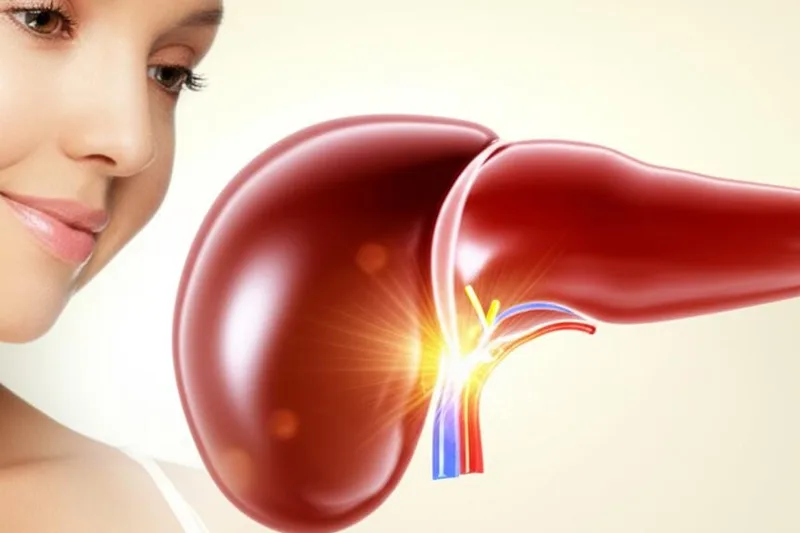
Have you ever heard of a little organ inside your body called the Spleen? Probably not, right? But this little friend does a lot of work for us. Like a silent servant. So today we'll talk briefly about what the spleen is, what it does, what happens if it gets in trouble, and how we can take care of it.
What is the spleen? Where is it located?
Simply put, your spleen is a small organ located on the left side of your rib cage, just above your stomach. It's about the size of an avocado in an adult. It's part of your lymphatic system . The lymphatic system is also an important part of your immune system . So it does a lot of important work to keep your body healthy.
Just think, even though it's small, the work it does is not small. Sometimes, the spleen is like someone who helps us a lot without us even realizing it. There are many little heroes like this in our bodies, and the spleen is one such person.
So what services does the spleen provide to the body?
The spleen is really busy. Let's take a look at some of its main functions.
- Blood storage: In case of emergency, for example, if there is a major injury and a lot of blood is lost, he keeps some blood with him to use. Just like an emergency kit in our home.
- Purifies the blood: It helps keep the blood clean by removing unwanted waste, old, and damaged blood cells. It works like a garbage collector in our house, like a filter that cleans the blood inside the body.
- Makes white blood cells and antibodies: These are the soldiers that fight germs that can make your body sick. So the spleen helps to build and train these soldiers. It's like a defense army.
- Regulates fluid levels in the body: It also helps maintain a balance of fluids in the body, including water and other fluids.
- It produces antibodies to protect against infections: It is this body that produces antibodies, which are special proteins that protect you from various diseases. These recognize germs and fight them.
I saw how big and important the work she does, even though she's small. It's like a mother in our house, sitting out of sight, checking everything and making sure it's done in an orderly manner.
What are the parts of the spleen? What do they do?
There are two main parts inside the spleen. These two do different jobs. It's like two departments in the same office.
1. White pulp: This is the main part of the immune system. This is where white blood cells, especially lymphocytes, are produced. These white blood cells make antibodies and fight infections. Think of it like the intelligence department of a military base, identifying enemies and making plans to attack them.
2. Red pulp: This works like a filter. It removes waste products from the blood, and removes old or dysfunctional red blood cells. Not only that, this red pulp also helps to trap and destroy germs like bacteria and viruses. It also helps to store things like red blood cells and platelets.
So these two parts work together to make the spleen do its important work, like a good team.
What are the diseases and conditions that affect the spleen?
Unfortunately, certain diseases, disorders, and accidents can also cause problems with the spleen. Let's look at some of the main problems.
Splenomegaly
This is Splenomegaly . The spleen can become larger than normal due to various reasons. When this happens, you may experience pain in the left side of your abdomen, a feeling of heaviness, and a feeling of fullness even after eating a small amount. Splenomegaly is a dangerous condition, because sometimes the spleen can rupture or bleed.
Important: If you find out that your spleen is swollen, you should avoid activities such as heavy lifting and strenuous sports, as such activities are more likely to damage the spleen.
Some of the causes of spleen swelling are:
- Blood cancers: For example, blood cancers such as leukemia and Hodgkin's lymphoma. It can also occur if cancer that starts elsewhere in the body spreads (metastasizes) to the spleen.
- Blood clots in the spleen or liver .
- Some types of anemia: especially hemolytic anemia, which is a condition in which red blood cells break down quickly.
- Cystic Fibrosis (CF) is a hereditary disease.
- Infections: Examples include `mononucleosis (mono)` (also called glandular fever), `syphilis` , `malaria` , and ` endocarditis`, an infection of the inner lining of the heart.
- Liver problems: Diseases that cause the liver to become stiff, such as cirrhosis .
- Inherited metabolic diseases: Diseases in which certain substances in the body are not broken down properly, such as Gaucher disease .
- Inflammatory diseases: such as sarcoidosis .
- Protein-related diseases: Diseases in which abnormal proteins are deposited in certain parts of the body, such as amyloidosis .
Functional asplenia
In this condition, the spleen is present but not working properly. It can become overactive (hypersplenism) and destroy healthy red blood cells, white blood cells, and even platelets. This excessive destruction of blood cells increases the risk of infection, and can also cause bruising and bleeding. Functional asplenia can be caused by:
- An accident or trauma that damages the spleen.
- Celiac disease .
- Sickle cell disease .
Damaged or ruptured spleen
Accidents and trauma can damage or rupture your spleen. Common causes include car accidents, falls from heights, and blows to the abdomen. This can be a life-threatening condition, as it can cause severe internal bleeding.
Symptoms of a ruptured spleen include:
- Heart rate increases.
- Nausea and vomiting.
- Dizziness, feeling like you're losing consciousness.
- Sharp pain under the ribs on the left side, sometimes this pain can also spread to the left shoulder.
Imagine, a young boy named Nimal was hit in the stomach by a fast-moving ball while playing cricket. At first, he didn't feel anything major, just a slight bruise. But after a while, the left side of his stomach started to hurt badly, he felt dizzy, and he was sweating. When his friends quickly took him to the hospital, the doctors said that his spleen had been slightly damaged and was bleeding internally. Fortunately, he received treatment quickly, so it didn't become a big problem. Therefore , if you get a hard blow to the stomach, it is very important to pay attention to the symptoms.
How do I keep my spleen healthy?
To keep your spleen, lymphatic system, and immune system working properly, you need to drink plenty of water, exercise regularly , and maintain a healthy weight. Eat a balanced diet with lots of fruits and vegetables. These are things we all need to do to stay healthy in general.
- Stay safe: Avoid accidents. Wear a seat belt when driving, and wear protective gear when playing sports. These are good for the whole body, not just the spleen.
- Limit alcohol: Drinking too much alcohol can damage the liver, which can also affect the spleen.
- Get the right vaccinations: Getting the vaccines that protect against certain infections (e.g. pneumonia, meningitis) is especially important for those with weak spleens.
Simply put, when we take good care of our entire body, the spleen also stays healthy.
Is it possible to live without a spleen?
Although the spleen performs many important functions for the body, it is possible to live without it. Doctors call this condition `asplenia` , or living without a spleen.
Very rarely, some people are born without a spleen. Sometimes, when the spleen is severely damaged or when a disease (such as some blood cancers or a ruptured spleen) develops, doctors will surgically remove the spleen. This surgery is called a splenectomy . When the spleen is gone, the liver takes over many of the spleen's functions, especially removing old blood cells. The bone marrow and lymph nodes also take over some of the functions.
Also, the spleen is removed as a treatment for some types of thrombocytopenia , such as immune thrombocytopenia (ITP) . These diseases cause a decrease in the body's platelets . Platelets are a type of blood cell that helps your blood clot. In ITP, the immune system mistakenly destroys its own platelets, and the spleen is the main site of destruction. So removing the spleen can help restore platelet levels.
What are the complications of spleen damage or loss?
People who live without a spleen, or whose spleen is not working properly , are at increased risk of developing certain infections, especially bacterial infections. This is called Overwhelming Post-Splenectomy Infection (OPSI) . Although this is rare, it can be dangerous. When the spleen is lost or damaged, the body's ability to fight off certain types of bacteria (especially Streptococcus pneumoniae, Haemophilus influenzae type b, and Neisseria meningitidis) is reduced. This risk is even higher in people with other diseases that affect the immune system, such as cancer or HIV .
If you don't have a spleen, or if your spleen isn't working properly, be sure to see your doctor for advice. Make sure you're up to date on your vaccinations to protect yourself from getting sick. Your doctor may also recommend that you take daily antibiotics to protect against bacterial infections, especially in the early stages of your spleen removal or in young children. This is especially important if you have another condition that affects your immune system. It's also a good idea to see a doctor right away, even if you have a minor illness like a cold or flu.
What time should I see a doctor?
If you have symptoms that suggest you have a swollen or ruptured spleen, see a doctor immediately. These symptoms include:
- Feeling full even after eating a little (early satiety).
- Bruising or bleeding for no reason.
- Pain under the left rib cage or a sharp pain when touched.
- An inexplicable fatigue.
- If you get frequent infections.
- Fever and cold-like symptoms (especially in those without a spleen).
If you experience anything like this , see a doctor immediately, as some conditions can be dangerous. The doctor will examine you and, if necessary, perform a scan (such as an ultrasound or CT scan) to find the cause.
How do I know if I am at risk for spleen problems?
You may be at higher risk of developing spleen problems if you have certain medical conditions. For example, some blood cancers, Gaucher disease, or cystic fibrosis . Also, people with a rare condition called hereditary spherocytosis are at higher risk of developing severe anemia and may need to have their spleen removed. If anyone in your family has these conditions, talk to your doctor about it.
Also, those who play certain sports (e.g. hockey, football, rugby) are at higher risk of injury to the spleen. Therefore, it is important to take safety precautions when playing such sports.
Finally, a few things to remember
Your spleen is a small but very important organ. It works hard to fight infections, remove old blood cells, and keep your body fluids flowing properly. Many diseases, infections, and injuries can cause problems with your spleen. If you have pain, heaviness, or other unusual symptoms in your left rib cage, see a doctor right away. It could be a sign of a life-threatening condition, such as a ruptured spleen, or it could be a sign of another medical condition that needs treatment.
So, take care of your body and follow a healthy lifestyle. Then your spleen will be happy too! Think about this silent worker in your body.
` spleen, spleen swelling, splenomegaly, immune system, splenectomy, spleen diseases


💬 Comments (0)
No comments yet. Be the first to share your thoughts here.
Add Your Comment