
Do you also have tonsils that are causing you problems? Let's find out exactly what they are!

Do you also have tonsils that are causing you problems? Let's find out exactly what they are!
Oh, these tonsils are something that some people hate, aren't they? The throat is always sore, swollen, and painful enough to make it hard to swallow food. For some children, this is something that happens all the time. What exactly are these tonsils? What kind of function do they perform in our body? Today, we will talk about all this simply, in a way that you can understand.

What are Tonsils?

Simply put, your tonsils are two lumps of tissue at the back of your throat, on either side. They are located in the pharynx, to be precise. They are part of our immune system . They are like lymph nodes. Their main job is to catch germs that enter our nose or mouth, stop them from entering our body, and protect us from other diseases. These are also called palatine tonsils. However, sometimes these tonsils themselves can have problems. They can become red, swollen, and infected. If this condition persists, or if medications do not help, your doctor may recommend a tonsillectomy to remove your tonsils. But don't worry, our body can still fight germs even after the tonsils are removed. The body finds other ways to do it.

What are the benefits of tonsils to our body?

The main function of the tonsils is to fight infection . Your tonsils contain a lot of white blood cells. These white blood cells help kill germs. Since the tonsils are located at the back of the throat, they can easily "catch" germs that enter the body through the nose or mouth. Think of them as two sentries protecting our bodies.

Where are your tonsils located? What do they look like?

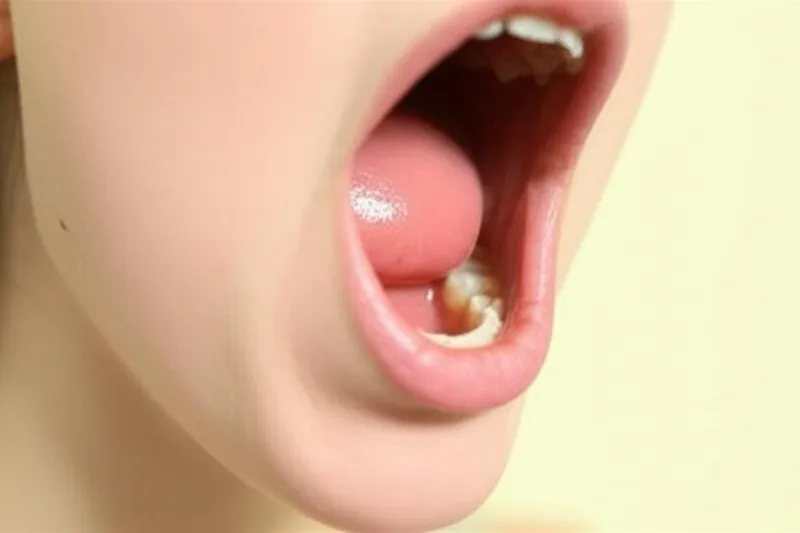
Your tonsils are located at the back of your throat, just behind your soft palate. There are two on each side. If you still have tonsils, you can see them if you open your mouth wide and look in a mirror. They look like two pink, oval-shaped lumps of flesh on either side of your throat. Healthy, normal tonsils are pink. However, when they are swollen or infected, they can become red and swollen . The size of the tonsils varies from person to person. However, according to one study:
  • The average size of a tonsil is about 42.81 cubic centimeters (42.81 cm³).
  • Women's breasts are on average about 37.65 cm³.
  • Men's are about 52.4 cm³.
Simply put, you can imagine that one of your tonsils is a little bigger than a marshmallow.

What diseases can affect the tonsils?

There are several conditions that can affect the tonsils. The most common of these is tonsillitis . This is an infection of the tonsils. Bacteria and viruses can cause tonsillitis. This infection can be short-term (acute) or long-term (chronic). A sore throat and swollen tonsils are the main symptoms. Apart from this, here are some other conditions that can affect the tonsils:

Strep throat

This is a disease caused by a type of bacteria called Streptococcus. When it occurs, it causes a sore throat, neck pain, and fever.

Tonsil stones / Tonsilloliths

These are also called tonsilloliths. These are small, white or yellow lumps that form in the tonsils. These can cause pain in the tonsils, bad breath, and a bad taste in the mouth.

Peritonsillar abscess

This is when the tonsils are pushed to one side and a lump of pus forms around them. This can make it difficult to swallow and breathe. If this happens, you should see a doctor immediately. Quick treatment is essential.

Mononucleosis

It is caused by a herpes virus called Epstein-Barr. It causes swollen tonsils, a sore throat, fatigue, and can even cause skin lesions.

Enlarged/Hypertrophic tonsils

When the tonsils become larger than normal, they can block the airway, causing conditions such as snoring and sleep apnea.

Tonsil cancer

This is the most common type of oropharyngeal cancer. It is often associated with the human papillomavirus (HPV). Symptoms may include sore tonsils, a lump in the neck, and blood in the saliva.

Are there tests to check the health of the tonsils?

Yes, there is. If your doctor suspects that you have a problem with your tonsils, they may order tests like these:
  • Bacterial culture test : Your doctor will swab your throat and tonsils with a cotton swab. The sample will then be sent to a lab for testing. This throat culture can check for various bacterial infections , such as tonsillitis, strep throat , and pneumonia.
  • Blood tests : If your doctor thinks your tonsil pain is due to mononucleosis, he or she may order a monospot test. This blood test looks for specific antibodies. This can help confirm the diagnosis. (If the monospot test is negative, your blood may also be tested for Epstein-Barr antibodies. This can also help determine whether you have mononucleosis.)

What are the treatments for tonsillitis?

Treatment for swollen or infected tonsils depends on the underlying cause. For example:
  • If you have a bacterial infection , the doctor will prescribe antibiotics .
  • If you have a peritonsillar abscess , your doctor will drain some of the pus to stop the infection from spreading.
  • If you have tonsil stones , your doctor may try laser resurfacing. If that doesn't work, he or she may recommend a tonsillectomy.
  • If you have frequent (chronic) tonsil infections , your doctor may recommend a tonsillectomy to remove your tonsils.

How to keep tonsils healthy?

In general, washing your hands frequently can help reduce the risk of catching bacterial and viral infections. Also, avoid sharing food or eating utensils with someone who is sick. If you are prone to tonsil stones, you can try to prevent them by maintaining good oral hygiene . This includes brushing and flossing your teeth daily, and seeing your dentist for regular checkups.
But it's important to understand this: Some people are simply more susceptible to tonsil infections. Other than removing the tonsils, there may be no permanent way to stop the problem from coming back. That's why your doctor may recommend removing your tonsils if other treatments don't resolve the problem.

When is tonsillectomy necessary?

Tonsillectomy is most often performed on young children who have frequent tonsil infections. However, tonsillectomy can also be performed on adults. Doctors often recommend a tonsillectomy for people who have frequent sore throats. For example, if you have had several throat infections in the past one to three years , it may be time to consider having your tonsils removed.

So, the thing to remember from all this talk is this...

Your tonsils are small, but they do a very important job. When they work properly, they help protect your body from various infections. But if your tonsils are constantly getting infected, you may want to consider having them removed (Tonsillectomy). If you want to know more about your tonsils and their treatment, talk to your doctor. Don't be afraid to ask questions. Then you can make the right decision.

⚠️ Important: The medical articles and information on Nirogi Lanka are for general awareness only, and are by no means a substitute for professional medical advice, diagnosis, or treatment. For any medical problem you have, consult a qualified physician immediately.

💬 Comments (0)

No comments yet. Be the first to share your thoughts here.

Add Your Comment

Please calculate: 5 + 3 =
Do you also have tonsils that are causing you problems? Let's find out exactly what they are!
ENTSeptember 5, 2025

Do you also have tonsils that are causing you problems? Let's find out exactly what they are!

Oh, these tonsils are something that some people hate, aren't they? The throat is always sore, swollen, and painful enough to make it hard to swallow food. For some children, this is something that happens all the time. What exactly are these tonsils? What kind of function do they perform in our body? Today, we will talk about all this simply, in a way that you can understand.

What are Tonsils?

Simply put, your tonsils are two lumps of tissue at the back of your throat, on either side. They are located in the pharynx, to be precise. They are part of our immune system . They are like lymph nodes. Their main job is to catch germs that enter our nose or mouth, stop them from entering our body, and protect us from other diseases. These are also called palatine tonsils. However, sometimes these tonsils themselves can have problems. They can become red, swollen, and infected. If this condition persists, or if medications do not help, your doctor may recommend a tonsillectomy to remove your tonsils. But don't worry, our body can still fight germs even after the tonsils are removed. The body finds other ways to do it.

What are the benefits of tonsils to our body?

The main function of the tonsils is to fight infection . Your tonsils contain a lot of white blood cells. These white blood cells help kill germs. Since the tonsils are located at the back of the throat, they can easily "catch" germs that enter the body through the nose or mouth. Think of them as two sentries protecting our bodies.

Where are your tonsils located? What do they look like?

Your tonsils are located at the back of your throat, just behind your soft palate. There are two on each side. If you still have tonsils, you can see them if you open your mouth wide and look in a mirror. They look like two pink, oval-shaped lumps of flesh on either side of your throat. Healthy, normal tonsils are pink. However, when they are swollen or infected, they can become red and swollen . The size of the tonsils varies from person to person. However, according to one study:
  • The average size of a tonsil is about 42.81 cubic centimeters (42.81 cm³).
  • Women's breasts are on average about 37.65 cm³.
  • Men's are about 52.4 cm³.
Simply put, you can imagine that one of your tonsils is a little bigger than a marshmallow.

What diseases can affect the tonsils?

There are several conditions that can affect the tonsils. The most common of these is tonsillitis . This is an infection of the tonsils. Bacteria and viruses can cause tonsillitis. This infection can be short-term (acute) or long-term (chronic). A sore throat and swollen tonsils are the main symptoms. Apart from this, here are some other conditions that can affect the tonsils:

Strep throat

This is a disease caused by a type of bacteria called Streptococcus. When it occurs, it causes a sore throat, neck pain, and fever.

Tonsil stones / Tonsilloliths

These are also called tonsilloliths. These are small, white or yellow lumps that form in the tonsils. These can cause pain in the tonsils, bad breath, and a bad taste in the mouth.

Peritonsillar abscess

This is when the tonsils are pushed to one side and a lump of pus forms around them. This can make it difficult to swallow and breathe. If this happens, you should see a doctor immediately. Quick treatment is essential.

Mononucleosis

It is caused by a herpes virus called Epstein-Barr. It causes swollen tonsils, a sore throat, fatigue, and can even cause skin lesions.

Enlarged/Hypertrophic tonsils

When the tonsils become larger than normal, they can block the airway, causing conditions such as snoring and sleep apnea.

Tonsil cancer

This is the most common type of oropharyngeal cancer. It is often associated with the human papillomavirus (HPV). Symptoms may include sore tonsils, a lump in the neck, and blood in the saliva.

Are there tests to check the health of the tonsils?

Yes, there is. If your doctor suspects that you have a problem with your tonsils, they may order tests like these:
  • Bacterial culture test : Your doctor will swab your throat and tonsils with a cotton swab. The sample will then be sent to a lab for testing. This throat culture can check for various bacterial infections , such as tonsillitis, strep throat , and pneumonia.
  • Blood tests : If your doctor thinks your tonsil pain is due to mononucleosis, he or she may order a monospot test. This blood test looks for specific antibodies. This can help confirm the diagnosis. (If the monospot test is negative, your blood may also be tested for Epstein-Barr antibodies. This can also help determine whether you have mononucleosis.)

What are the treatments for tonsillitis?

Treatment for swollen or infected tonsils depends on the underlying cause. For example:
  • If you have a bacterial infection , the doctor will prescribe antibiotics .
  • If you have a peritonsillar abscess , your doctor will drain some of the pus to stop the infection from spreading.
  • If you have tonsil stones , your doctor may try laser resurfacing. If that doesn't work, he or she may recommend a tonsillectomy.
  • If you have frequent (chronic) tonsil infections , your doctor may recommend a tonsillectomy to remove your tonsils.

How to keep tonsils healthy?

In general, washing your hands frequently can help reduce the risk of catching bacterial and viral infections. Also, avoid sharing food or eating utensils with someone who is sick. If you are prone to tonsil stones, you can try to prevent them by maintaining good oral hygiene . This includes brushing and flossing your teeth daily, and seeing your dentist for regular checkups.
But it's important to understand this: Some people are simply more susceptible to tonsil infections. Other than removing the tonsils, there may be no permanent way to stop the problem from coming back. That's why your doctor may recommend removing your tonsils if other treatments don't resolve the problem.

When is tonsillectomy necessary?

Tonsillectomy is most often performed on young children who have frequent tonsil infections. However, tonsillectomy can also be performed on adults. Doctors often recommend a tonsillectomy for people who have frequent sore throats. For example, if you have had several throat infections in the past one to three years , it may be time to consider having your tonsils removed.

So, the thing to remember from all this talk is this...

Your tonsils are small, but they do a very important job. When they work properly, they help protect your body from various infections. But if your tonsils are constantly getting infected, you may want to consider having them removed (Tonsillectomy). If you want to know more about your tonsils and their treatment, talk to your doctor. Don't be afraid to ask questions. Then you can make the right decision.

⚠️ Important: The medical articles and information on Nirogi Lanka are for general awareness only, and are by no means a substitute for professional medical advice, diagnosis, or treatment. For any medical problem you have, consult a qualified physician immediately.

💬 Comments (0)

No comments yet. Be the first to share your thoughts here.

Add Your Comment

Please calculate: 5 + 3 =