
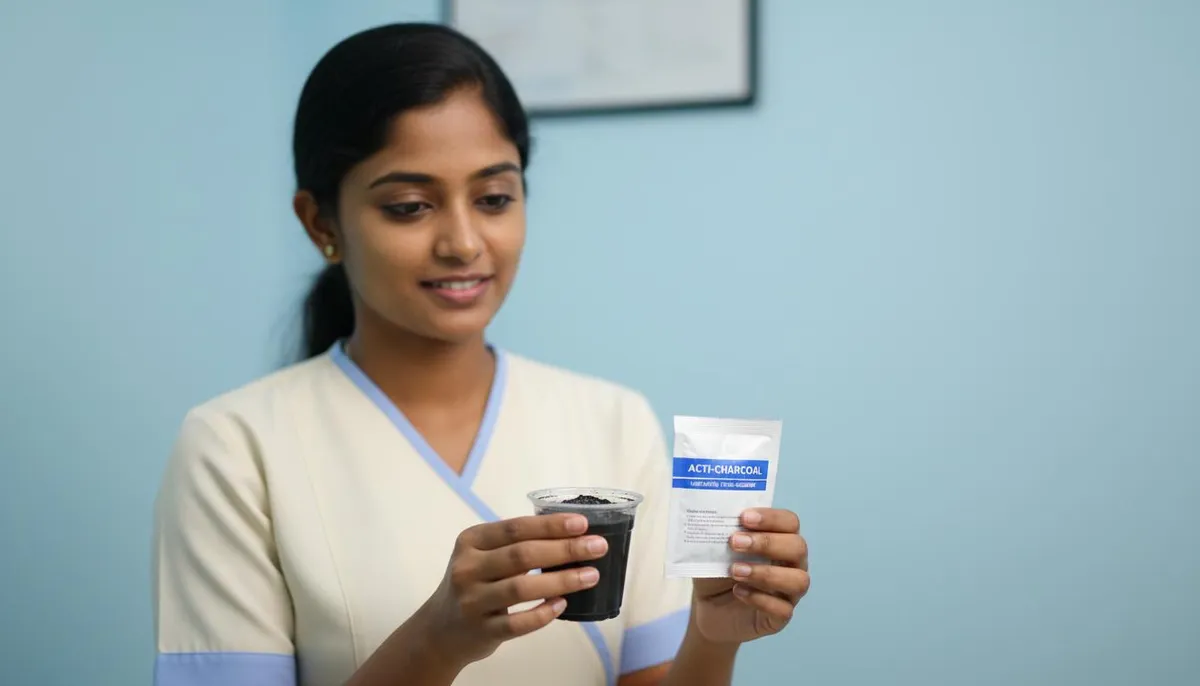
Imagine finding out that someone you love accidentally swallowed a harmful medicine or chemical. Your heart beats fast, and panic sets in right away. In high-stress moments like this, knowing what to do can save a precious life. One of the most important emergency treatments used in hospitals is activated charcoal.
You might have heard this name before on medical shows or in health articles. Doctors use it to trap specific poisons in the stomach before they spread through the body. However, it is not a cure-all, and it must be used correctly. Let us explore everything you need to know about this powerful medical substance.
Key Takeaways About Activated Charcoal
- Activated charcoal acts like a sponge to trap certain toxins in your stomach and gut.
- It must be given by trained medical staff within thirty to sixty minutes of poisoning.
- It does not work on all poisons, such as strong acids, alcohol, or petroleum products.
- It can also absorb your regular medicines, so timing is crucial to protect your health.
- Always seek emergency medical help right away and never treat poisoning alone at home.
What Is Activated Charcoal?
Put simply, activated charcoal is a very fine black powder made through a special heating process. Do not confuse this with the regular charcoal you use for an outdoor barbecue grill. Medical charcoal is extremely pure and specially prepared for hospital use.
The main job of this powder is to act like a microscopic sponge inside your body. Once it enters your stomach and gut, it grabs onto certain poisons, drugs, and chemicals. By holding onto these harmful substances, it stops your body from absorbing them into your bloodstream.
After the charcoal traps the toxins safely on its surface, your body pushes them out naturally through a bowel movement. This process prevents the harmful substances from causing severe internal damage. It is a vital tool in emergency medicine.
How Is This Medicine Used and Who Gives It?
You cannot simply buy this medicine at a local pharmacy and keep it in your home cabinet. Doctors and trained healthcare workers must give it inside a hospital or clinic setting. Professional supervision is necessary to ensure safety and correct dosing.
During an emergency poisoning or drug overdose, medical teams in the Emergency Department handle the situation. Timing is critical for this treatment to work effectively. Doctors usually get the best results if they give the medicine within thirty to sixty minutes after the poison is swallowed.
During this early window, the poison is still sitting inside the stomach. The medicine comes as a liquid mixture that nurses shake well before giving to the patient. If the patient vomits right after drinking it, the doctor will decide the next safe steps.
When giving this medicine to young children, medical staff take extra special care. The exact dose depends entirely on the child's body weight and overall health condition. Always trust doctors to calculate and manage these critical amounts.
Emergency Warning: When to Call for Help
Never try to treat a poisoning or drug overdose at home by yourself. This is a life-threatening medical emergency. Call 911 in the US, 999 in the UK, or your local emergency number right away. If you are in doubt, rush the patient to the nearest hospital emergency room right away or contact your local poison control center.
Things to Tell Your Doctor Before Taking This Medicine
Before medical staff give activated charcoal to you or your loved one, sharing accurate medical history is vital. Doctors need specific facts to keep the treatment safe and effective. Be sure to let the healthcare team know about any important health details.
Mention if you have any known allergies to activated charcoal, dyes, or other medicines. If you are pregnant, think you might be pregnant, or are trying to have a baby, tell the doctor right away. Breastfeeding mothers must also share this information with the medical staff.
Finally, provide as many details as possible about the poison. Tell the doctor what substance was swallowed, how much was taken, and when it happened. These details help the medical team choose the safest treatment plan.
Important Safety Facts to Keep in Mind
Activated charcoal is not a magical cure that works for every single type of poison. Understanding its limitations helps protect you from false security during a crisis. Let us look closely at what it cannot do and how it interacts with other substances.
It Does Not Work on All Poisons!
This medicine cannot bind to or absorb every type of chemical. In many common poisoning situations, activated charcoal provides no medical benefit at all. Below is a helpful guide showing which substances do not respond to this treatment.
| Poison Type | Common Examples |
|---|---|
| Petroleum Products | Kerosene, petrol, gasoline, and certain heavy cleaning solvents. |
| Cyanide | Certain industrial chemicals and specific toxic compounds. |
| Alcohols | Drinking alcohol, methanol, and certain liquid medicines. |
| Strong Acids and Bases | Battery acid, lye, and powerful household bleach products. |
| Heavy Metals | Iron supplement tablets and lithium overdoses. |
Issues With Other Medicines and Dairy Foods
Activated charcoal cannot tell the difference between a harmful poison and a helpful medicine. It absorbs almost anything it touches inside your stomach. Because of this, it will also trap your regular prescription drugs and stop them from working.
If you take regular daily medicines for a health condition, the charcoal can cancel them out. To prevent this, doctors advise avoiding other medicines for two hours before and two hours after taking charcoal. Dairy foods like milk, cheese, and yogurt can also block its action, so avoid them during this four-window.
After emergency treatment finishes, drinking plenty of water helps prevent dehydration. Eating a balanced diet later on helps your body recover its strength safely.
Other Medicines That May Interact With It
Activated charcoal interacts with many different pharmaceutical drugs and herbal products. You must give your doctor a complete list of everything you take regularly. This includes vitamins, supplements, and traditional remedies.
| Interaction Category | Specific Drugs and Substances |
|---|---|
| Never Combine With | Vomiting-inducing drugs like ipecac syrup. |
| Common Drug Interactions | Birth control pills, digoxin, theophylline, seizure medicines like phenytoin and carbamazepine, and various mental health treatments. |
What Side Effects Can You Expect?
Like all medical treatments, activated charcoal can cause side effects. Some reactions need immediate medical attention. This others are normal and harmless. Knowing what to watch for gives you peace of mind during recovery.
| Side Effect Type | Warning Signs and Symptoms |
|---|---|
| Serious Signs to Report | Allergic reactions like skin rashes, itching, facial swelling, or trouble breathing. Dehydration signs like extreme thirst, dry mouth, little urine, and dizziness. Severe confusion or extreme sleepiness. |
| Normal Expected Effects | Stool turning dark black (this is completely normal), mild stomach cramps, bloating, or occasional nausea. |
💡 Take-Home Message
Activated charcoal is a powerful emergency treatment used in hospitals for specific poisonings and drug overdoses. It works by trapping toxins in the stomach so your body does not absorb them. However, it is never a DIY home remedy and requires professional medical supervision.
Remember that this substance does not work on every poison, such as strong acids or petroleum products. You must protect your regular medicines by keeping a safe time gap around its use. Always share your complete health history with your doctor to stay safe.
Finally, seeing black stool after taking this medicine is normal. If you notice severe side effects or suspect any poisoning, get emergency medical help right away.






No comments yet. Be the first to share your question or experience below.