
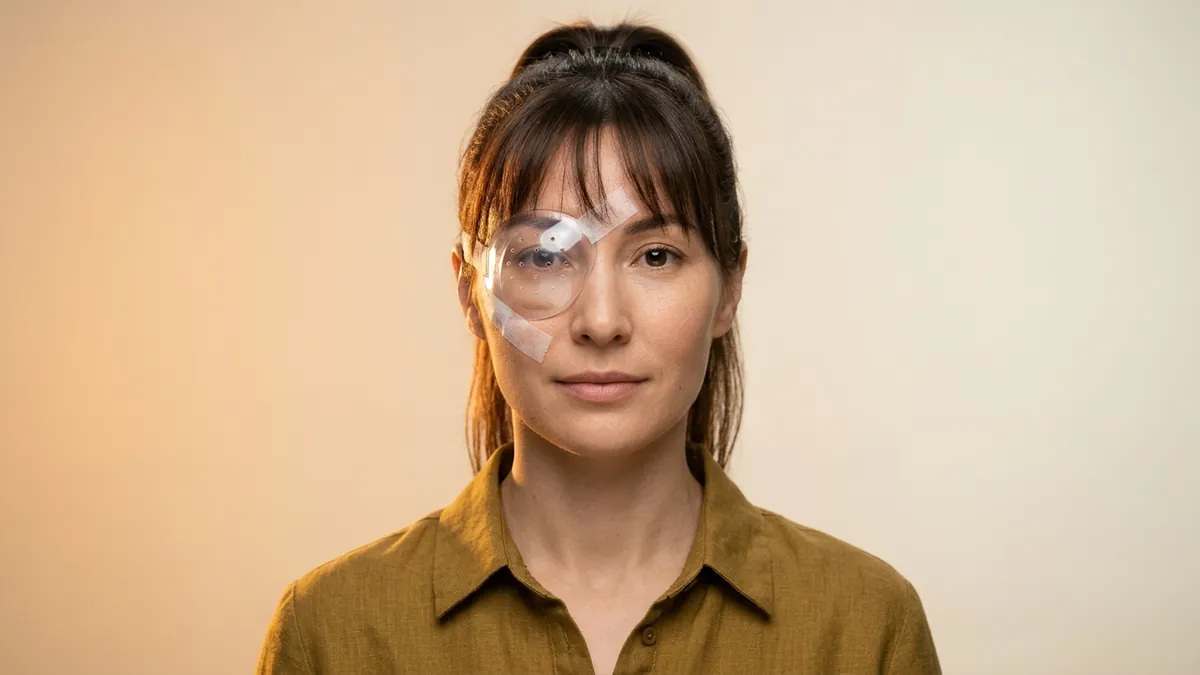
Understanding the recovery time LASIK eye surgery: clinical meaning, causes, normal ranges & next steps gives you a clear, stress-free roadmap before stepping into a laser suite. LASIK laser eye surgery (laser-assisted in situ keratomileusis) is one of the safest, fastest-healing vision procedures available today, helping millions of adults trade foggy glasses and dry contact lenses for crisp natural eyesight. Still, knowing the difference between seeing clearly tomorrow morning and achieving full microscopic tissue healing is essential for protecting your investment in your sight.
Have you ever wondered how someone can read highway signs the very next day after laser surgery yet still need lubricating eye drops three months later? Think about it for a second—visual recovery and cellular recovery happen on two completely different clocks. While your functional eyesight bounces back almost overnight, the delicate surface nerves and structural fibers of your eye take several months to settle permanently.
Before any laser procedure takes place, we doctors at your Primary Care Physician (PCP) or family GP clinic often help review your overall health—checking blood sugar control, autoimmune history, and daily medications—before referring you to a specialist eye surgeon (ophthalmologist) for precision corneal scans and surgery. Knowing exactly what happens hour by hour and month by month puts you firmly in charge of a smooth recovery.
📌 Key Takeaways at a Glance
- Fast Everyday Sight (24–48 Hours): Most patients notice dramatically sharper vision within a day and get cleared for daytime driving and computer work at their 24-hour specialist checkup.
- Full Corneal Stabilization (3–6 Months): Deeper corneal tissue bonding, nerve regeneration, and night-vision crispness settle gradually over three to six months.
- Strict Eye Drop Routine: Antibiotic drops prevent infection, anti-inflammatory steroid drops calm swelling, and preservative-free artificial tears keep healing nerves comfortable.
- Smart Activity Boundaries: Wearing overnight protective eye shields for the first week and avoiding tap water, swimming pools, eye makeup, and eye rubbing prevents flap complications.
- Know Your Red Flags: Worsening pain, sudden vision loss, or thick discharge requires an urgent call to your eye surgeon or immediate assessment at the nearest hospital Emergency Room (ER / A&E).
What Is the Normal Recovery Time for LASIK Eye Surgery?
The normal recovery time for LASIK eye surgery happens in two distinct clinical phases: rapid visual recovery takes 24 to 48 hours for clear everyday sight, while complete anatomical corneal stabilization takes 3 to 6 months. Most patients safely return to desk work and daytime driving within two days after their post-operative checkup.
When patients ask us doctors about lasik eye surgery recovery time, we always break those first 48 hours down honestly so nothing catches you off guard. The procedure itself takes roughly 10 to 15 minutes for both eyes under numbing drops. Once those numbing drops wear off about 30 to 60 minutes later, your eyes will likely feel gritty, watery, and mildly burning—almost as if an eyelash is stuck underneath your eyelid—while the room looks misty, like peering through a steamed-up shower screen.
Here is the single best recovery secret for day one: go straight home, dim the bedroom curtains, pop on your protective plastic eye shields, and take a 3-to-4-hour nap. Keeping your eyelids closed lets the outer surface skin layer of the eye (corneal epithelium) rapidly bridge across the tiny edge of the surgical flap without friction from blinking. By the time you wake up that evening, the stinging usually fades to mild dryness, and your surroundings already look remarkably sharper. Pretty amazing how fast the front of the eye seals itself, right?
How Does Corneal Healing Work, and How Does Eye Surgery Laser Recovery Time Compare?
To appreciate why LASIK heals so quickly, look closely at what happens on the surface of your eye. Your clear front window of the eye (cornea) acts like a camera lens, bending incoming light smoothly onto the light-sensitive back wall of the eye (retina). When you have nearsightedness (myopia), farsightedness (hyperopia), or uneven corneal curvature (astigmatism), the cornea bends light slightly off-target, leaving images blurry.
During modern bladeless LASIK, your specialist ophthalmologist uses an ultra-fast femtosecond laser to fashion a microscopic, hinged flap roughly 100 to 120 microns thick—barely the thickness of a human hair. After gently folding that flap back, a cool ultraviolet excimer laser reshapes the deeper structural middle layer (corneal stroma) in seconds. Once the flap is smoothed back into position, specialized pump cells lining the inner cornea (corneal endothelium) create natural osmotic suction that locks the flap down within minutes—zero stitches required. Now that makes sense, doesn't it?
How does overall eye surgery laser recovery time differ if your surgeon recommends a cousin procedure instead? Because LASIK preserves most of the outer surface skin layer intact, discomfort lasts hours rather than days. By contrast, surface laser vision correction (photorefractive keratectomy, or PRK) removes that outer skin layer completely before sculpting the cornea; it takes 4 to 7 days under a bandage contact lens just for surface cells to regrow, and 4 to 12 weeks for vision to sharpen fully. Meanwhile, keyhole laser vision correction (small incision lenticule extraction, or SMILE) removes a tiny disc of tissue through a 2-to-4-millimeter opening without creating a full flap, offering a 2-to-5-day visual bounce-back with slightly less post-procedure dryness.
What Are the Normal Healing Stages, Eye Drop Schedules & Pre-Surgery Cutoffs?
Safe, predictable healing actually starts weeks before laser day. When we doctors refer you from your family GP clinic or optometrist to a refractive eye surgeon, their clinic performs 3D corneal surface mapping (corneal topography) and ultrasonic corneal thickness testing (pachymetry). Clinically, surgeons typically look for an untouched starting corneal thickness of at least 500 to 520 microns and ensure at least 250 to 300 microns of untouched residual stromal bed remains beneath the flap for lifelong structural strength. Your glasses prescription should also remain stable—shifting less than 0.50 diopters—for at least 12 consecutive months.
Before those scans, you must stop wearing soft contact lenses for 1 to 2 weeks (or rigid gas-permeable lenses for 3 to 4 weeks) because contacts temporarily mold the cornea out of shape. We also screen carefully for medical factors that delay corneal healing or make LASIK unsafe, including uncontrolled diabetes, active autoimmune diseases such as rheumatoid arthritis or systemic lupus erythematosus, progressive corneal thinning (keratoconus), pregnancy or breastfeeding, and oral isotretinoin therapy within the past six months.
Once your surgery is complete, sticking strictly to your surgeon's prescription drop schedule keeps healing right on track:
- Topical Antibiotic Drops (e.g., moxifloxacin 0.5%): Typically instilled 1 drop four times daily for 5 to 7 days to shield the fresh flap edge against bacteria.
- Topical Corticosteroid Drops (e.g., prednisolone acetate 1% or loteprednol): Typically instilled 1 drop four times daily for 5 to 7 days to quiet microscopic corneal swelling and haze.
- Preservative-Free Artificial Tears: Used every 1 to 2 hours while awake for the first week, then 4 to 6 times daily for 1 to 3 months—always waiting at least 5 minutes after medicated drops so you do not wash your medicine right out of your eye.
What Causes Slower Healing During LASIK Laser Eye Surgery Recovery Time?
Remember how we talked about that microscopic hinged flap a moment ago? Creating that flap temporarily trims tiny sensory corneal nerve fibers that normally signal your tear glands when the eye surface dries out. Until those microscopic nerve endings sprout back over 3 to 6 months, your blink reflex slows down slightly and your tear film evaporates faster—a temporary condition called post-LASIK dry eye syndrome. That dryness is the number-one reason your eyesight might feel crisp at 9:00 AM and slightly soft or hazy by 5:00 PM.
Environment and screen habits play a huge role in lasik laser eye surgery recovery time too. Think about our modern daily routines across the United States, the UK, Canada, and Australia: staring at dual laptops drops your natural blink rate by more than half, while dry winter central heating in Toronto, Chicago, or London—or blasting summer office air conditioning in Sydney or Dallas—strips moisture straight off the cornea. Patients who started with stronger prescriptions (such as nearsightedness beyond -6.00 diopters, high astigmatism, or farsightedness) also undergo deeper laser sculpting, meaning mild halos, glare, or starbursts around night-time streetlights often take 4 to 12 weeks to fade.
Occasionally, slower visual clearing stems from treatable clinical issues your eye surgeon watches closely during follow-up visits. These include sterile white blood cell inflammation beneath the flap (diffuse lamellar keratitis, or DLK), tiny flap micro-wrinkles (corneal striae) triggered by accidental early eye rubbing, temporary steroid-induced eye pressure spikes, or slow inward growth of surface skin cells (epithelial ingrowth). Catching any of these early at your scheduled 1-day, 1-week, and 1-month specialist checks allows fast, effective treatment.
What Should You Expect Week by Week? (Recovery Timeline Table & Daily Care)
Be honest—when you invest in your eyesight, every small flicker or evening halo can make you wonder whether your healing is on schedule, haven't you felt that way before? Below is a practical, stage-by-stage guide we doctors share so you can separate normal milestones from symptoms that need a quick call to your eye clinic.
| Recovery Stage or Finding | Clinical Meaning & Action Step |
|---|---|
| First 24 Hours (Watery eyes, mild grit, misty sight) | The outer corneal skin cells are actively sealing the edge of your flap after numbing drops wear off. What you should do: Nap for 3 to 4 hours right after surgery, keep protective plastic shields taped on overnight, avoid all screens, and have someone drive you to your mandatory Day-1 specialist checkup. |
| Days 2 to 7 (Sharp daytime sight, mild light sensitivity, tiny red spots on the white of the eye) | Visual acuity reaches legal driving standards for most patients; tiny painless red spots (subconjunctival hemorrhages) come from the gentle suction ring used during flap creation and fade like a small bruise over 1 to 2 weeks. What you should do: Complete every dose of antibiotic and steroid drops, wear UV400 sunglasses outdoors, and keep shower water, soap, and sweat strictly out of your eyes. |
| Weeks 2 to 4 (Occasional afternoon blur or dry sensation at screens) | Corneal nerves are beginning to regenerate, causing temporary tear-film instability during heavy reading or computer work. What you should do: Apply single-use preservative-free lubricating drops before your eyes feel dry, follow the 20-20-20 screen break rule, and resume light non-contact gym workouts carefully. |
| Months 1 to 3 (Gradually fading night glare or halos around headlights) | Microscopic swelling inside the sculpted corneal stroma is resolving, smoothing how light scatters through your pupil in dim conditions. What you should do: Attend your 1-month and 3-month optometrist or ophthalmologist visits, avoid rubbing your eyes, and take extra care driving on dark, rainy highways until halos settle. |
| Months 3 to 6 (Stable prescription & restored tear comfort) | Corneal nerves and refractive stability reach their final long-term baseline; fewer than 2% to 5% of patients ever need a minor laser touch-up (enhancement). What you should do: Complete your 6-month final refractive checkup and maintain routine annual comprehensive eye exams even though you no longer wear glasses. |
| Any Stage: Sudden Pain, Worsening Redness, or Vision Drop | Escalating pain or sudden cloudiness after initial improvement is never normal and may signal infection (infectious keratitis) or a shifted corneal flap. What you should do: Contact your operating eye surgeon's 24-hour emergency line immediately or head straight to the nearest hospital Emergency Room (ER / A&E). |
Supporting your eyes from the inside out makes daily recovery noticeably smoother too. Stay well hydrated with water or herbal tea throughout the day, and build healthy tear oils by enjoying omega-3-rich foods familiar at any local supermarket—such as grilled Atlantic or Pacific salmon, sardines, walnuts, ground flaxseed over morning porridge or oatmeal, and avocado on whole-grain toast. Whenever you step outdoors—whether into bright coastal sun in California or Australia, crisp winter glare in Canada, or breezy parks in the UK—slip on wraparound UV400 sunglasses to calm light sensitivity and shield healing tissue from windblown dust.
✔️ What You Should Do & ❌ What to Avoid
- ✔️ Do wear your clear protective sleep shields for the first 5 to 7 nights: Even gentle unconscious pillow rubbing during sleep can wrinkle or shift a fresh corneal flap during week one.
- ✔️ Do follow the 20-20-20 rule back at work: Every 20 minutes on a screen, look 20 feet (6 meters) away for 20 seconds and blink deliberately to spread fresh tears across your cornea.
- ✔️ Do wash your hands with soap and water before touching eye drop bottles: Keep the dropper tip clean and never let it touch your eyelashes or skin.
- ❌ Avoid tap water, hot tubs, swimming pools, lakes, and ocean water for 2 to 4 weeks: Untreated or chlorinated water carries microbes like Acanthamoeba and bacteria that can trigger sight-threatening corneal infections.
- ❌ Avoid eye makeup, waterproof mascara, eyelash extensions, and dusty DIY chores for at least 1 to 2 weeks: Tiny cosmetic flakes and old brushes easily introduce bacteria along the healing flap margin; buy a fresh mascara tube once cleared!
- ❌ Avoid rubbing your eyes or playing contact and racquet sports without polycarbonate eye guards for at least 4 weeks: Protect your eyes from stray elbows, basketballs, or pickleball impacts until your surgeon confirms full surface security.
🚨 When to Seek Immediate Emergency Care (Red-Flag Symptoms)
If you or someone near you develops any of these red-flag symptoms, do not wait — call 911 (or 999 in the UK / 000 in Australia) immediately or go straight to the nearest hospital Emergency Room (ER / A&E):
- Severe, throbbing, or worsening eye pain that starts or intensifies after the first 24 hours and does not ease with preservative-free lubricating drops.
- A sudden drop in vision, dense white corneal haze, or a dark curtain/shadow moving across any part of your field of view.
- Thick yellow, green, or creamy discharge accompanied by spreading eye redness or swollen, hot eyelids.
- Accidental direct trauma or a poke to the eye (from a child's finger, pet paw, or sports ball) followed by sudden blurriness, tearing, or sharp foreign-body sensation.
- Extreme, escalating light sensitivity (photophobia) with nausea or headache—and if you are in the UK with urgent post-op symptoms outside clinic hours, you can also call NHS 111 for immediate emergency eye unit routing alongside your surgeon's 24-hour on-call number.
💡 Key Take-Home Message
- Expect a two-speed healing journey: clear everyday vision typically arrives within 24 to 48 hours, while deep corneal nerve and tear-film recovery completes over 3 to 6 months.
- Consistent preservative-free lubricating drops, overnight eye shields during week one, and zero eye rubbing are your three strongest protections against setbacks.
- Mild afternoon dryness and subtle night halos are normal early companions, whereas worsening pain, redness, or sudden blur always deserves same-day specialist care.


No comments yet. Be the first to share your question or experience below.