
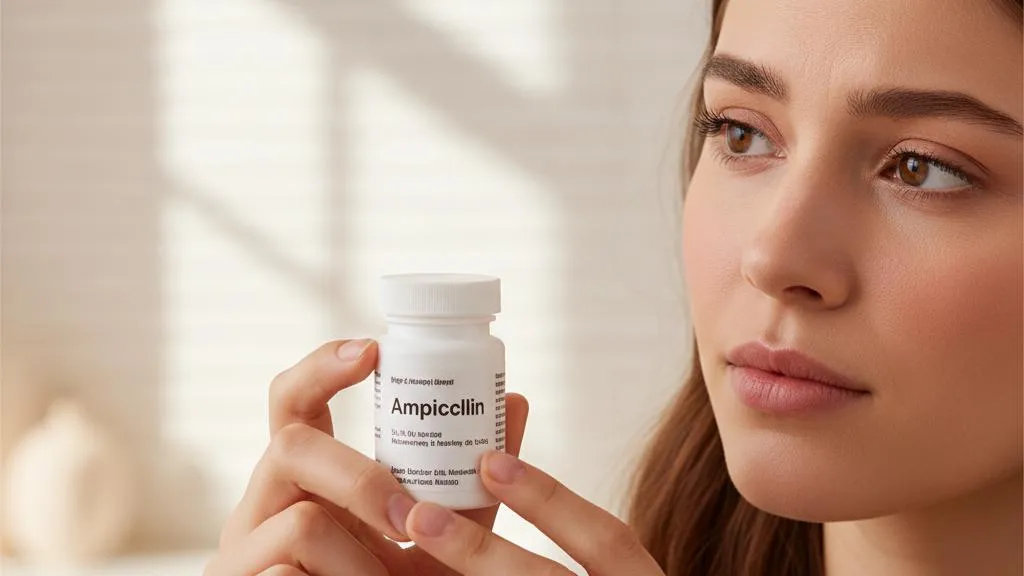
Maybe you visited your doctor for a bad illness and walked away with a prescription for an antibiotic. One very common medicine you might hear about or receive is Ampicillin. Even though doctors prescribe this medicine all the time, you still need to know how it works and how to use it safely.
Let us take a close look at what Ampicillin is, why doctors use it, and what you must keep in mind while taking it. Understanding your medicine helps you heal faster and keeps you safe from unwanted problems.
Key Takeaways About Ampicillin
- Kills Bacteria: Ampicillin is a penicillin-type antibiotic that fights specific bacterial infections in your body.
- Not for Viruses: It does not cure viral illnesses like the common cold or flu.
- Empty Stomach: You get the best results when you take this medicine on an empty stomach with a full glass of water.
- Finish the Course: Always finish your entire prescription even if you start feeling better after a couple of days.
- Medical History: Tell your doctor about kidney disease or past allergies before you start taking this medicine.
What Is Ampicillin Really?
Simply put, Ampicillin is an antibiotic that belongs to the penicillin family of medicines. Its main job is to enter your body and destroy certain types of harmful bacteria that make you sick.
The most important thing to remember here is that this medicine only works against bacterial infections. It has zero effect on viral illnesses like a normal cold, a runny nose, or seasonal flu. Because of this, you should never take this medicine just because you feel unwell, and you should never get it from a pharmacy without a prescription from your doctor.
Things to Tell Your Doctor Before Taking This Medicine
Before your doctor prescribes Ampicillin, they will ask you a few questions about your health. If any of the following situations apply to you, you must tell your doctor right away so you stay safe.
- Other Health Conditions: Tell your doctor if you have any existing health issues, especially kidney disease, because your kidneys process this medicine.
- Allergies: Let your doctor know if you ever had a bad reaction, rash, or allergy to Ampicillin, penicillin, any other antibiotic, food, or preservative in the past.
- Pregnancy: Tell your doctor right away if you are pregnant or if you plan to become pregnant in the near future.
- Breastfeeding: Inform your doctor if you are currently breastfeeding your baby so they can make sure the medicine is safe for your child.
The Correct Way to Use This Medicine
You need to use your medicine the right way to get the best results and heal your body quickly.
- How to Swallow: Swallow your capsule whole with a full glass of water.
- Timing: Try to take your medicine at the exact same times every single day as directed by your doctor.
- Before or After Food: You should take this medicine on an empty stomach. This means taking it at least 30 minutes before a meal or 2 hours after a meal so your body absorbs it properly.
- Finish the Full Course: This is the most critical rule. If your doctor gives you medicine for 5 days, do not stop taking it after 2 or 3 days just because you feel better. If you stop early, the surviving bacteria can mutate, become resistant to the medicine, and make your infection return even stronger.
What to Do When Giving This Medicine to Children
Doctors also prescribe this medicine for children when they have bacterial infections. However, you must only give it under the direct supervision of a qualified pediatrician or doctor. Always give the exact dose that the doctor prescribes without guessing or changing the amount.
What Happens If You Take an Overdose or Miss a Dose?
Think about a situation where you accidentally take more medicine than your doctor prescribed. If this ever happens, go right away to the nearest hospital emergency department (ER or A&E). In the UK, you can call 999 or NHS 111, and in the US or Canada, call 911 for urgent guidance.
If you forget to take a scheduled dose, take it as soon as you remember. However, if it is almost time for your next regular dose, skip the missed dose completely and continue with your normal schedule. Never take two doses at the same time to make up for a missed one.
Other Things That Can Interact With This Medicine
Other medicines you take can interact with Ampicillin and change how it works. Always give your doctor a complete list of everything you take, including vitamins, herbal remedies, and over-the-counter products.
| Medicine or Substance | What You Need to Know |
|---|---|
| Allopurinol | Taking this gout medicine along with Ampicillin can greatly increase your risk of developing a skin rash. |
| Birth Control Pills | Ampicillin can make birth control pills less effective. Talk to your doctor about using an extra method of birth control while you take this antibiotic. |
| Certain Other Antibiotics | Medicines like chloramphenicol or erythromycin can interfere with how Ampicillin works in your body. |
| Probenecid | This drug slows down how fast your body removes Ampicillin, which keeps higher levels in your blood longer. |
What Side Effects Can Occur?
Like almost any medicine, Ampicillin can cause side effects. Some reactions are mild, but others can be serious and need quick medical attention.
| Side Effect Type | Description |
|---|---|
| Serious Allergic Reactions | Skin rashes, itching, swelling of your face, lips, or tongue, and sudden trouble breathing. Get emergency help right away. |
| Severe Diarrhea | Watery or bloody stools that happen often and cause severe stomach cramps. |
| Skin Blisters or Peeling | Red skin, painful blisters, or peeling skin (even inside your mouth). This can happen weeks after you start the medicine. |
| Other Severe Signs | Fever, fainting, seizures, trouble swallowing, or extreme tiredness. Contact your doctor right away. |
| Mild Diarrhea | Loose stools that happen mildly without severe pain. Tell your doctor if it does not go away. |
| Nausea and Vomiting | Mild stomach upset, feeling sick to your stomach, or throwing up. |
When to Seek Emergency Medical Help
If you develop trouble breathing, swelling of your face or throat, widespread blistering skin rashes, or severe watery diarrhea with blood, call 911 (US/Canada), 999 (UK), or go straight to your nearest Emergency Department. Do not wait to see if these severe symptoms go away on their own.
How to Store Your Medicine Properly
- Keep your medicine safely locked away where small children and household pets cannot reach it.
- Store your capsules at normal room temperature, ideally between 20°C and 25°C (68°F to 77°F), away from excessive heat and moisture.
- Never use medicine that has passed its expiration date. Safely dispose of expired capsules according to local pharmacy guidelines.
💡 Take-Home Message
- Ampicillin is designed specifically to fight bacterial infections and does not treat normal colds or viral fevers.
- Always take your complete prescribed course of medicine until the very end, even if you feel completely better.
- Taking this capsule on an empty stomach gives you the best absorption and results.
- Always tell your doctor about your complete medical history, especially kidney issues and penicillin allergies.
- Contact a doctor right away if you develop severe skin rashes, blisters, or heavy diarrhea.
- If you use birth control pills, talk to your doctor about using backup birth control while taking this antibiotic.






No comments yet. Be the first to share your question or experience below.