

Have you ever heard that some medicines stop working after you use them for a while? Something similar can happen with treatments for fungal infections. Today, we are talking about antifungal resistance, which is when fungi stop responding to the medicines meant to clear them up.
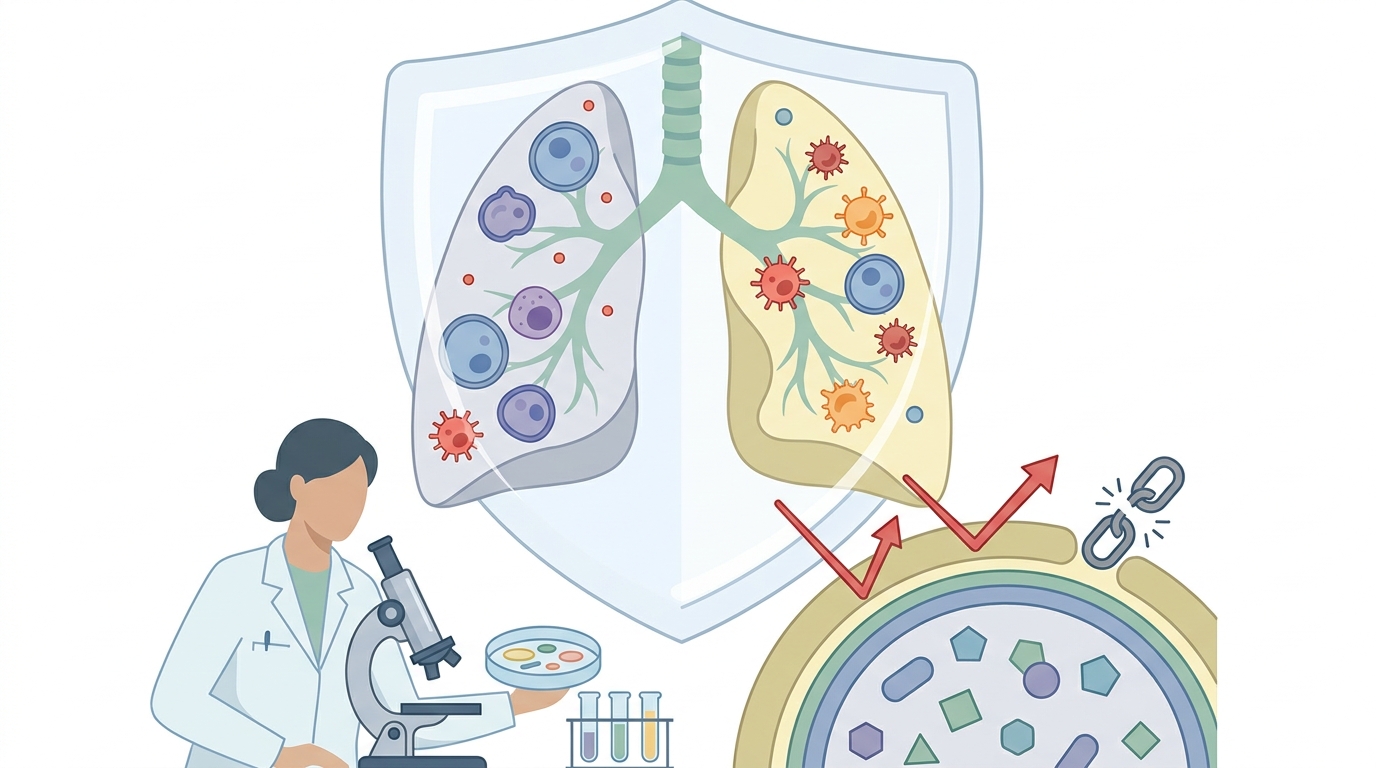
This is a serious topic, but when you understand how it works, you can protect yourself and stay safe. Let us walk through everything you need to know about this growing health concern in plain, everyday language.
Key Takeaways at a Glance.
- What it is: Antifungal resistance happens when the fungus causing your infection learns to survive the medicine designed to kill it.
- The main culprit: The fungus changes or adapts, not your body. The medicine simply loses its power over that specific germ.
- Who is at risk: People with weakened immune systems face the highest danger of developing severe, drug-resistant infections.
- Superbugs exist: Strains like Candida auris and resistant mold can resist multiple standard treatments at once.
- Prevention matters: Always finish your full prescription exactly as your doctor tells you, even if you start feeling better.
BMI Calculator
Know your body mass index (BMI) and weight classification
What Is Antifungal Resistance?
Simply put, antifungal resistance means that the medicine you take cannot stop or destroy the fungus making you sick. Think of it like a medicine that used to work wonderfully, but now the fungus acts like it is barely bothered.
The fungus puts up a fight against the medicine and wins. This problem is part of a larger global health issue called antimicrobial resistance.
Antimicrobial resistance means that viruses, bacteria, parasites, and fungi all find ways to outsmart our treatments. The most important thing to remember here is that your body does not become resistant to the medicine. Instead, the actual fungus causing the illness is the one adapting to survive.
What Are Antifungal medicines?
Antifungal medicines are special drugs that help clear up different types of fungal infections in your body. You have likely heard of common skin conditions like athlete's foot, ringworm, or yeast infections.
Doctors prescribe antifungal creams, pills, or liquids to treat these everyday issues. Beyond the skin, these medicines also help control severe, life-threatening fungal infections that can affect your lungs, brain, and bloodstream.
When these standard drugs stop working properly, doctors have fewer safe choices left to help patients heal.
Why Is Antifungal Resistance a Big Problem?
Drug resistance is a serious health threat that affects the entire world. It severely limits our treatment options when someone gets sick.
If a fungus resists one of our main antifungal drug groups, other available choices might not work as well. Sometimes, the alternative medicines needed to fight the infection cause much more severe or even toxic side effects.
This issue demands our attention every single day. For instance, in countries like the United States, nearly three million people develop drug-resistant infections each year, and tens of thousands lose their lives.
What Causes Antifungal Resistance?
Several different factors can cause antifungal resistance to develop:
- Misusing antifungal medicines: If you skip doses, stop taking your medicine before your doctor tells you to, or take a smaller dose than prescribed, the fungus gets a chance to practice fighting the drug.
- Using antibiotics: Antibiotics kill harmful bacteria, but they also wipe out the helpful bacteria in your gut. When that happens, natural yeast like Candida can grow too fast and cause an infection that requires antifungal treatment.
- Using agricultural fungicides: Farmers spray crops with fungicides to protect food from mold. People who work closely with these treated crops have a higher chance of developing resistant fungal infections because the fungi constantly encounter these chemicals.
- Natural resistance: Some types of fungi are naturally built so that standard antifungal drugs never affect them at all.
- Sudden resistance: Sometimes, without any clear reason, a fungus that used to respond well to medicine suddenly stops reacting to it.
- Spread between people: The most frightening part is that a drug-resistant fungal infection can spread from one person to another, meaning the second person catches a germ that is already immune to treatment.
Who Is at Higher Risk?
People with weak immune systems face the highest risk of getting severe fungal infections and developing drug resistance. This group includes people with:
- HIV or AIDS.
- Autoimmune diseases like lupus.
- Active cancer diagnoses.
- Organ transplants.
- Stem cell or bone marrow transplants.
When your body's natural defense system is weak, fungi can multiply easily and adapt to medicines much faster than usual.
What Are the Complications?
Some fungi have evolved into strains that strongly resist standard treatments. People often call these resilient germs "superbugs."
These superbugs keep multiplying and causing severe illness even while you take medicine. Doctors currently rely on three main classes of antifungal drugs: azoles, echinocandins, and polyenes.
If a fungus adapts to resist just one of these drug classes, finding an effective backup treatment becomes extremely difficult.
What Are Antifungal Superbugs?
Certain dangerous fungi have earned the name superbugs because standard drugs cannot easily control them. Let us look at a few examples:
- Aspergillus fumigatus: This common mold causes a lung infection called aspergillosis when people breathe in its spores. It affects hundreds of thousands of people worldwide and is increasingly resisting azole antifungal drugs.
- Candida: This yeast naturally lives on our skin and inside our bodies. However, if Candida enters the bloodstream, it causes a dangerous infection called candidemia. This infection now often resists standard azole treatments.
- Candida glabrata: This specific yeast affects the urinary tract. It shows growing resistance to both azoles and echinocandins, leaving patients with very few safe treatment choices.
Who Is Candida Auris?
Candida auris, or C. auris, is a relatively new and dangerous fungal superbug first identified around 2009. It quickly created global health concerns and is becoming more common in hospitals.
Standard antifungal treatments that usually cure Candida infections often fail against this specific strain. Some C. auris strains are multi-drug resistant, meaning no available antifungal medicine works against them.
When this fungus enters the bloodstream and reaches the heart or brain, more than one in three infected people pass away. This fungus spreads very easily in hospitals and nursing homes through physical touch or contaminated surfaces.
It can live on surfaces for weeks and is very hard to clean away.
How Are Resistant Infections Treated?
If one antifungal drug family fails, your doctor will try a medicine from a different category. However, successful treatment options remain very limited.
If an infection does not respond to standard care, doctors must try alternative drugs. Unfortunately, those alternative treatments often cause much more severe side effects.
Can We Prevent Antifungal Resistance?
Taking your antifungal medicine exactly as your doctor prescribes is the absolute best way to stop resistance from developing. If you tend to forget your doses, set a daily phone reminder to help you stay on track.
Always talk to your doctor right away to find out what to do if you happen to miss a dose. Usually, taking your next scheduled dose as soon as possible is the right path.
Remember that taking your prescribed medicine for the full length of time is vital. Never stop early just because you feel a little better.
| Habits to Follow (Do's). | Habits to Avoid (Don'ts). |
|---|---|
| Take your antifungal medicine for the full prescribed duration. | Do not stop taking your pills early just because symptoms fade. |
| Ask your doctor questions if you miss a scheduled dose. | Do not share your leftover prescription medicine with other people. |
| Wash your hands often to prevent spreading fungal germs in healthcare settings. | Do not ignore persistent skin rashes or breathing changes. |
When to Call the Doctor or Seek Emergency Help.
Fungal infections can become dangerous quickly, especially if treatments fail. Seek emergency medical care right away by calling 911 (US/Canada) or 999 (UK) if you notice:
- Sudden high fever combined with severe chills or shaking.
- Severe trouble breathing, shortness of breath, or chest pain.
- Confusion, dizziness, or extreme weakness that does not go away.
- Fungal rash or skin wounds that rapidly worsen despite using prescribed creams.
Summary and Final Thoughts.
Antifungal resistance happens for many reasons, sometimes appearing unexpectedly. It can also stem from overusing antibiotics or using antifungal treatments incorrectly.
People with weak immune systems face a much higher risk of catching these tough infections. Superbug strains mean standard treatments will not always work.
Protecting yourself means taking antifungal medicine exactly as your doctor instructs for the full time required. Talking openly with your medical team helps keep you and our community safe from this growing threat.






No comments yet. Be the first to share your question or experience below.