
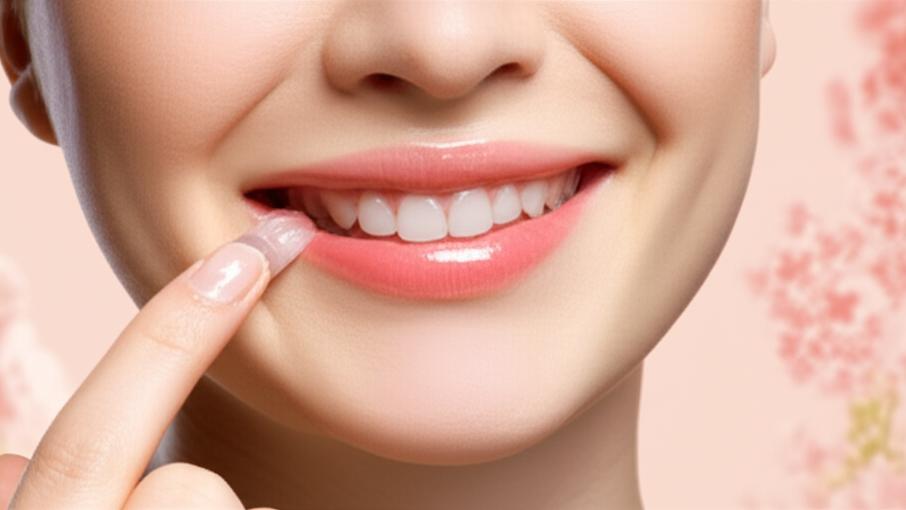
When you think about skin care, your mind usually goes straight to your face and neck. You might spend a lot of time and money on serums, toners, and face creams. However, you often forget about one very important part of your face. Your lips need just as much attention and care every single day.
If you live in a place with harsh weather or if your lips dry out easily, lip care is essential. Many people struggle with painful, peeling lips throughout the year without knowing the right solutions. Let us explore how you can stop dry, chapped lips and maintain a healthy, beautiful smile.
Key Takeaways for Healthy Lips
- Drink plenty of water every day to keep your body and lips hydrated from within.
- Stop the habit of licking your lips because saliva strips away natural moisture.
- Choose lip balms with safe ingredients like petroleum jelly, shea butter, and natural oils.
- Protect your lips from ultraviolet rays using an SPF 30 or higher lip balm when outdoors.
- See a doctor if your chapped lips do not improve after two to three weeks of home care.
BMI Calculator
Know your body mass index (BMI) and weight classification
What Habits Should You Stop Doing?
If you want to keep your lips soft and smooth, you must first break a few bad habits. These common daily habits often make dry lips much worse without you realizing it.
The first major issue is breathing through your mouth. Some people naturally breathe through their mouth instead of their nose. When you do this, moving air constantly passes over your lips and dries out your natural saliva. Try your best to breathe through your nose to keep your lips moist.
The second major issue involves hidden chemical ingredients in your cosmetics and lip balms. Many commercial products contain harsh ingredients that irritate the skin barrier and cause more dryness. You should always inspect the ingredient list before buying any lip product.
| Harmful Ingredient | Why It Harms Your Lips |
|---|---|
| Vitamin A (Retinoids) | Often found in anti-aging skincare, but it can severely dry out delicate lip tissue. |
| Camphor, Menthol, & Eucalyptus | They give a temporary cooling feeling, but they actually strip away vital moisture over time. |
| Artificial Fragrances & Flavorings | Cinnamon, citrus, mint, and peppermint scents often trigger allergic contact dermatitis. |
| Salicylic Acid | Common in acne treatments, this exfoliating acid damages the thin skin on your lips. |
| Propyl Gallate | A preservative used in cosmetics that often causes lip irritation and dryness. |
Always check the ingredient labels on your makeup, lotions, and lip balms. Avoiding these harsh chemical irritants is the first step toward healing.
Why Dehydration Causes Dry Lips
One of the best treatments for dry lips is simply drinking enough water every day. Think about how your body works. Unlike other parts of your skin, your lips do not have oil glands to keep them lubricated naturally. This lack of oil glands is why your lips dry out so much faster than the rest of your skin.
Many people make the mistake of licking their lips when they feel dry. Saliva contains harsh digestive enzymes that damage delicate lip tissue. As the saliva evaporates, it draws even more moisture out of your lips. You must stop this harmful habit right away.
Drink plenty of fresh water throughout your entire day. Good hydration protects your overall health and keeps your lips soft and plump. If your home or office air is very dry, consider using a bedside humidifier. This is especially helpful if you spend long hours in air-conditioned environments.
Choosing the Right Lip Moisturizer
Quality lip balms and moisturizers work by sitting on the surface of your lips to seal in moisture and heal cracks. Dermatologists recommend choosing products that contain specific skin-soothing ingredients.
| Beneficial Ingredient | How It Protects Your Lips |
|---|---|
| Castor Seed Oil & Hemp Seed Oil | Natural plant oils that deeply nourish and condition dry skin barriers. |
| Mineral Oil & Petrolatum | Create a protective physical seal that locks moisture inside the skin. |
| Shea Butter | Rich plant butter that softens rough skin and repairs chapped cracks. |
| White Petroleum Jelly (e.g., Vaseline) | The gold standard for sealing in moisture and protecting healing tissue. |
You cannot overuse a good, gentle lip balm, so do not worry. If a product does not cause any allergic reaction, apply it multiple times a day and right before you go to sleep.
What Kind of Product Should You Choose?
Simply put, the worse the damage to your lips, the thicker your chosen ointment should be. Matching your product to your level of dryness ensures fast healing.
- To prevent everyday dryness: A standard, lightweight lip balm or chapstick is more than enough.
- To treat peeling and cracked lips: Use a thick ointment like white petroleum jelly. These heavy ointments stop moisture from escaping into the air.
Protecting Your Lips from Harsh Weather
Your lips face daily damage from two primary environmental factors. These factors include strong sunlight and cold, windy weather.
Protecting Your Lips from the Sun
If you spend a lot of time outdoors in the sun, your lips can easily get sunburned, dry, and painfully cracked. Imagine spending a relaxing day at a sunny beach or coastal resort. You likely remember to apply sunscreen to your face, but did you remember your lips?
To protect your lips from ultraviolet radiation, always use a lip balm with an SPF 30 or higher. Look for formulas that contain physical blockers like titanium dioxide or zinc oxide for maximum safety.
Protecting Your Lips from Cold and Wind
If you live in a cold region without much intense sunlight, you still need to protect your lips. Imagine visiting a chilly mountain town or a windy winter destination. Cold, dry wind strips the natural moisture from your lips in minutes. No matter where you live, reapplying your lip balm every few hours provides a reliable shield against the elements.
What to Know If You Have Lip Fillers
If you have recently received lip fillers, you must care for your internal healing while protecting your outer lip surface. You can generally follow all the standard moisturizing advice we discussed above.
However, right after getting a lip filler procedure, you must strictly avoid a few specific activities:
- Avoid intense physical workouts and heavy exercise for at least 24 to 48 hours.
- Stay away from direct sunlight, tanning beds, and extreme heat.
- Do not touch, rub, or massage the treated area unless your doctor specifically told you to do so.
If your lips heal normally without any unusual signs, you can return to your regular daily lip care routine. However, if your chapped lips persist, you need professional guidance.
If your lips do not heal after two to three weeks of consistent home care, schedule an appointment with a board-certified dermatologist. Persistent chapping can sometimes be a sign of an underlying medical condition like chronic cheilitis or actinic damage. Never ignore long-lasting symptoms.
When to Seek Emergency Medical Attention
While dry lips are usually harmless, certain symptoms require immediate medical evaluation. Call emergency services or go to the nearest Emergency Department (ER / A&E) if you experience:
- Sudden, severe swelling of your lips, tongue, or throat (possible severe allergic reaction).
- Fever combined with spreading redness, warmth, or pus around cracked lip sores (signs of a bacterial infection).
- Severe bleeding from deep cracks that does not stop with direct pressure.
In the US or Canada, call 911. In the UK, call 999 or go to your nearest A&E department.
💡 Take-Home Message
- Drink plenty of water every day because systemic hydration is essential for your lips.
- Completely stop the habit of licking your lips when they feel dry.
- Choose lip balms free of camphor and menthol, opting instead for petrolatum and shea butter.
- Use an SPF 30+ lip balm in the sun and a protective balm in cold weather.
- See your doctor if your chapped lips do not heal after two to three weeks of care.






No comments yet. Be the first to share your question or experience below.