
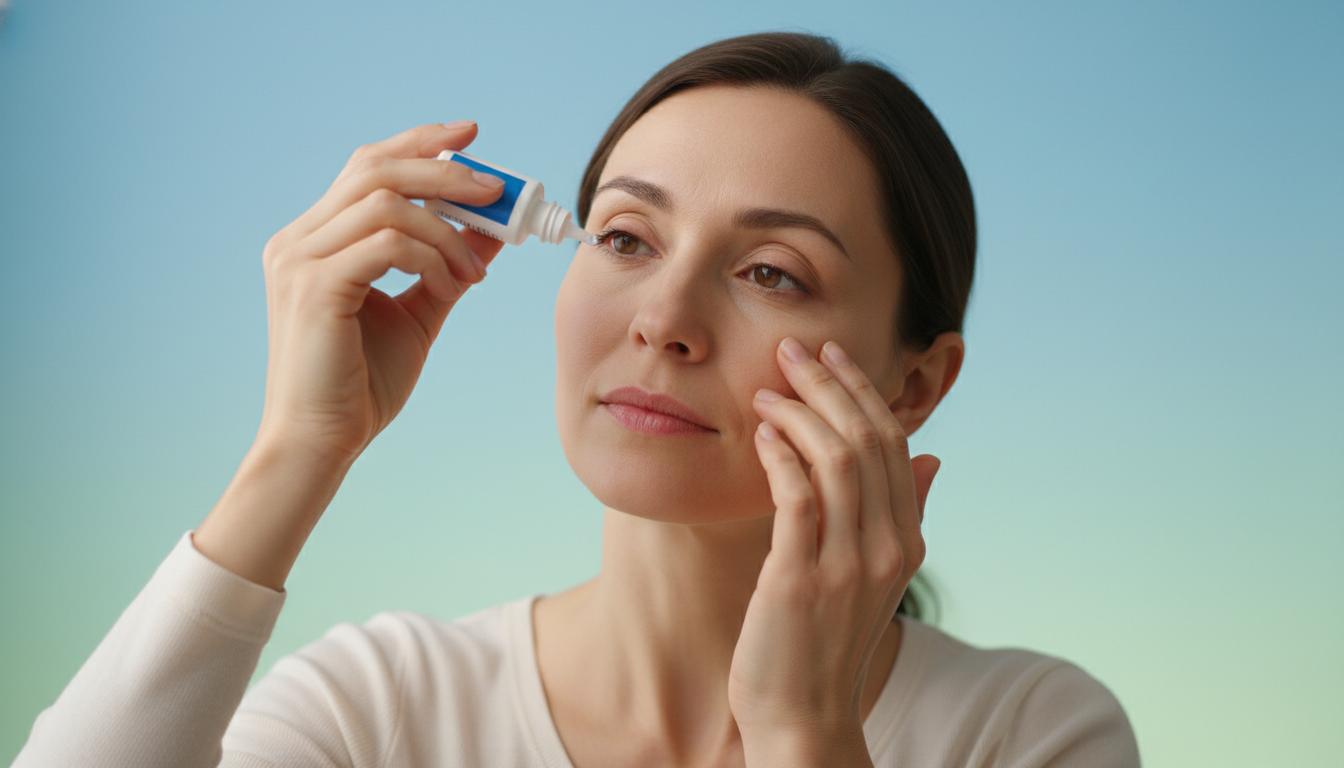
Has your doctor recently prescribed a new eye drop and left you wondering what it actually does? You might be feeling a bit nervous about putting medicine into your eyes, or you may want to know how to use it safely without any trouble. Do not worry, because we are here to walk you through everything step by step.
Today, we will talk about a common eye drop called Bimatoprost. We will look at why doctors prescribe it, how you can apply it correctly at home, and what side effects you might experience along the way.
Key Takeaways About Bimatoprost.
- Main Purpose: It lowers high pressure inside your eye to treat conditions like glaucoma.
- Daily Routine: You must wash your hands thoroughly before and after applying the drops to avoid any germs.
- Permanent Changes: It can sometimes permanently darken your iris color or make your eyelashes thicker and longer.
- Safety First: Never share your prescription eye drops with anyone else, even if they have similar eye symptoms.
BMI Calculator
Know your body mass index (BMI) and weight classification
What is Bimatoprost used for?
Simply put, Bimatoprost is a liquid medicine that doctors prescribe to lower high pressure inside your eye. You might have heard of a serious eye condition called glaucoma, which is where this medicine is most often used.
Think of your eye as a water tank where fluid is constantly made and drained away. Sometimes, the fluid cannot drain out properly, or your eye makes too much fluid at once. When this happens, the fluid builds up and raises the pressure inside your eye, much like an overflowing water tank.
Bimatoprost helps by lowering that fluid level so the pressure drops back down to a safe range. You might also see this medicine sold under the brand name Lumigan. If your doctor prescribes it for another reason, always ask your doctor or pharmacist if you have any questions.
What to tell your doctor before using this medicine.
Before you start using Bimatoprost, it is very important to share your full medical history with your doctor. Your doctor needs this information to decide if this medicine is safe and right for your specific needs.
Make sure to tell your doctor right away if you have any of the following health conditions or situations:
- Closed-angle glaucoma: This is a specific and less common type of eye pressure condition that requires special care.
- Eye injuries or infections: If you currently have swelling, redness, a scratched cornea, or an active infection in your eye.
- Contact lens use: If you wear soft or hard contact lenses, as they require special handling during treatment.
- Allergies: If you have ever had an allergic reaction or unusual rash to Bimatoprost, any other eye drops, dyes, or preservatives.
- Pregnancy: If you are currently pregnant or actively trying to plan a pregnancy.
- Breastfeeding: If you are nursing an infant, since small amounts of medicine can pass into breast milk.
Sharing these details helps your doctor tailor your treatment plan safely and effectively.
How to apply Bimatoprost eye drops correctly.
This medicine is meant strictly for your eyes. You must never swallow or take it by mouth under any circumstances. Always follow the exact instructions printed on your prescription label by your pharmacist.
Here are the easy steps to follow when putting the drops in your eyes:
- Wash your hands: Use soap and clean water to scrub your hands thoroughly before and after handling the bottle.
- Tilt your head back: Sit comfortably in a chair or lie down flat on your back and look up at the ceiling.
- Pull down your lower lid: Use your clean index finger to pull your lower eyelid down gently to form a small pocket.
- Avoid touching the tip: Never let the dropper tip touch your eye, eyelashes, or fingers, as this keeps the bottle clean.
- Squeeze the drop: Release the exact number of drops prescribed by your doctor straight into the pocket.
- Close your eyes gently: Shut your eyes softly for one to two minutes. Do not squeeze your eyelids tightly shut.
- Do not blink: Avoid rapid blinking, which can push the medicine right out of your eye before it absorbs.
- Wait between drops: If you use multiple eye drops, wait at least five minutes before applying any other medicine.
Do children need special care with this medicine?
Yes, children require extra caution and supervision when using Bimatoprost. You must talk closely with a pediatric eye doctor and follow their instructions precisely. Dosages safe for adults are often not appropriate or safe for young children.
What to do if you use too many drops.
If you accidentally put more drops into your eye than prescribed, stay calm. Contact your local poison control center or go to the nearest hospital emergency room right away for guidance.
Important: This medicine is prescribed for you alone. Never share your eye drops with friends or family members, even if they show similar symptoms.
What to do if you miss a dose.
It is normal to sometimes forget a dose of your medicine. When you realize you missed it, put the drop in your eye right away. However, if it is almost time for your next scheduled dose, skip the missed one entirely.
Never take a double dose or extra drops to make up for a missed one. Taking extra medicine can increase your risk of unwanted side effects.
Does Bimatoprost interact with other medicines?
Usually, Bimatoprost does not cause major drug interactions with pills taken by mouth. Even so, you must tell your care team about every eye drop or ointment you use.
Bring a complete list of your current medicines to your doctor, including vitamins, herbal remedies, and over-the-counter products. Also mention if you smoke, drink alcohol, or use recreational substances, as these factors can influence your health.
What to watch out for during treatment.
While using this medicine, you will need regular checkups so your doctor can track your eye pressure and overall health. If you notice severe swelling, sudden pain, or pus coming from your eye, stop using the drops and call your doctor right away.
Can eye color and eyelashes change?
This is a very common question from patients. Yes, Bimatoprost can gradually change the color of your iris, your eyelashes, and the skin around your eyelids. These changes may become permanent, meaning they can last even after you stop using the medicine.
If you only apply the drops to one eye, that treated eye may develop longer eyelashes, darker skin, or a darker iris compared to your untreated eye. Discuss these cosmetic changes with your doctor.
More things to keep in mind:.
- Contact Lenses: Take your contact lenses out before putting the drops in. Wait at least 15 minutes before putting your lenses back in.
- Light Sensitivity: If bright sunlight bothers your eyes while using this medicine, wear dark sunglasses outdoors to protect them.
| Feature. | What You Should Do. | What to Avoid. |
|---|---|---|
| Hand Hygiene. | Wash hands with soap and water before and after application. | Never touch the dropper tip with unwashed fingers. |
| Dosing Schedule. | Take your missed dose as soon as you remember. | Never double up on doses if you miss one. |
| Contact Lenses. | Wait 15 minutes after drops before reinserting lenses. | Do not put drops directly into eyes while wearing soft lenses. |
What are the possible side effects of Bimatoprost?
Like all medicines, Bimatoprost can cause side effects, though not everyone experiences them. Knowing what to look out for helps you stay safe and prepared.
Side effects that need fast medical attention:.
Call your doctor as soon as possible if you experience any of these serious signs:
- Allergic reactions: Skin rash, intense itching, hives, or swelling of your face, lips, tongue, or throat.
- Vision changes: Blurry vision or any other sudden shifts in how well you see.
- Severe eye irritation: New or worsening eye pain, heavy redness, burning, or unusual discharge.
Mild side effects that may need a doctor's advice:.
These symptoms are usually not emergencies, but you should mention them to your doctor if they do not go away or become bothersome:
- Color changes: Darkening of your iris, eyelids, or eyelashes.
- Dry eyes: A scratchy or dry feeling in your eyes throughout the day.
- Mild irritation: Slight itching or burning right after applying the drop.
- Eyelash growth: Noticeable increases in the length, thickness, or number of your eyelashes.
- Watery eyes: Increased tear production after putting the drops in.
This list does not cover every possible side effect. If you notice any other unusual physical symptoms, speak with your doctor.
When to Seek Emergency Help.
If you experience sudden severe eye pain, complete loss of vision, facial swelling, or trouble breathing, call 911 (US/Canada) or 999 (UK), or go to the nearest Emergency Department (ER / A&E) right away.
How to store your eye drops properly.
Proper storage ensures your medicine remains sterile and effective:
- Keep the bottle safely out of the reach of children and pets.
- Store the bottle at room temperature, between 2°C and 25°C (36°F and 77°F). Do not freeze it or leave it in hot vehicles.
- Check the expiration date printed on the label and safely discard any expired bottles.
A few final reminders.
We hope this guide gives you a clear understanding of Bimatoprost eye drops. Keep these final tips in mind:
This medicine is yours alone. Never lend your prescription eye drops to friends or relatives, even if they have similar symptoms.
Follow your doctor's exact plan. Stick to the prescribed dose, timing, and length of treatment.
Ask when you have doubts. If anything feels unclear, talk openly with your doctor or pharmacist. Your health is what matters most.
Sources & References:
1. Mayo Clinic. Bimatoprost Ophthalmic Route Side Effects & Proper Use. Available online: Mayo Clinic.
2. NHS UK. Bimatoprost: eye drops for glaucoma and high eye pressure. Available online: NHS.
3. Cleveland Clinic. Bimatoprost Ophthalmic Solution: Uses & Side Effects. Available online: Cleveland Clinic.
4. U.S. Food and Drug Administration (FDA). Lumigan (Bimatoprost Ophthalmic Solution) Prescribing Information. Available online: FDA.
5. National Institutes of Health (NIH) / PubMed. Efficacy and Safety of Bimatoprost in Open-Angle Glaucoma and Ocular Hypertension. PMID: 15482390.





No comments yet. Be the first to share your question or experience below.