

Have you ever wondered what is really happening inside your blood vessels when you eat your favorite foods? Today, we are going to talk about a very common health topic that many people hear about, but often find confusing.
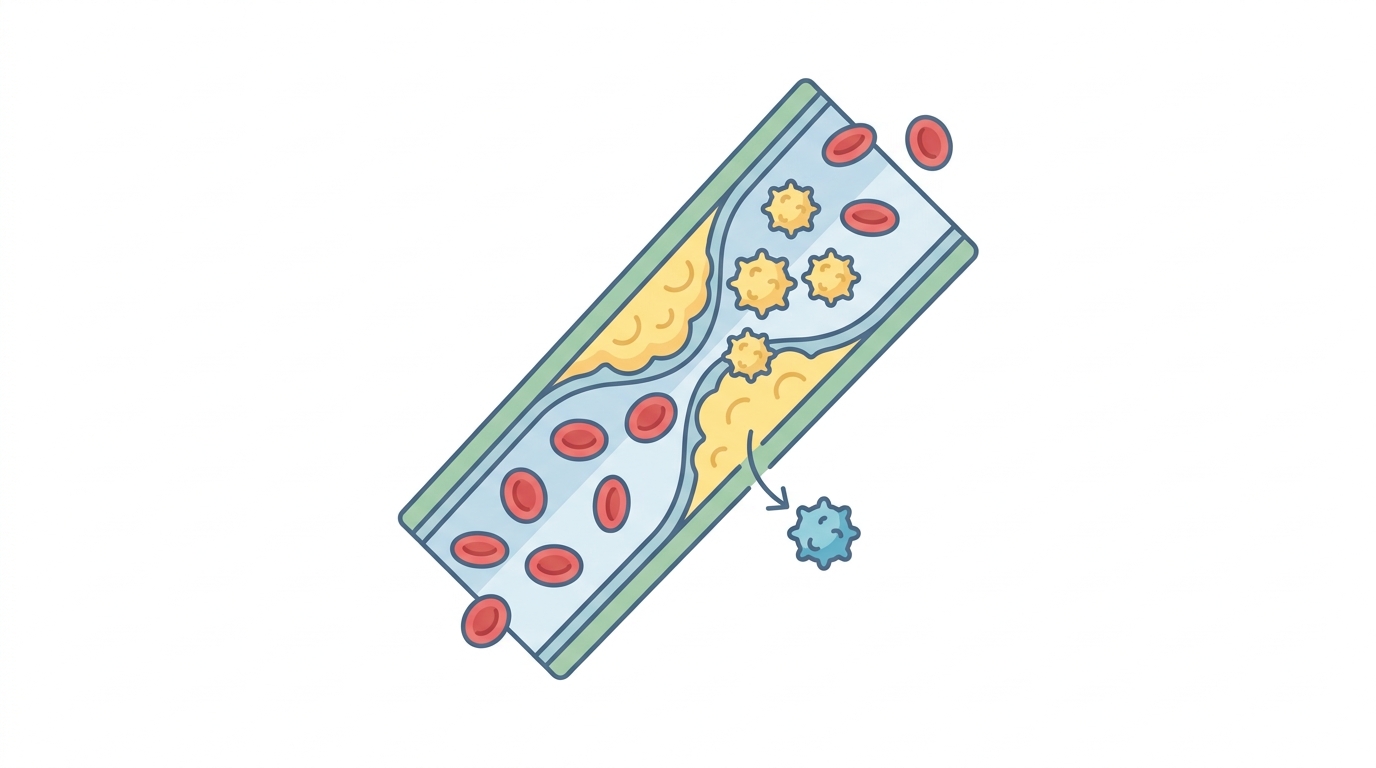
That topic is high cholesterol, which doctors call hyperlipidemia or hypercholesterolemia. Think of it as a quiet condition because it usually shows no outward signs while silently doing work inside your body.
Let us walk through what high cholesterol means, why it can become dangerous, how it affects your organs, and what simple steps you can take to stay safe and healthy.
Key Takeaways for Your Health.
- High cholesterol is a silent condition that typically shows no symptoms until other health issues develop.
- A simple blood test called a lipid panel is the only way to accurately check your cholesterol levels.
- Good cholesterol helps protect your heart. This bad cholesterol builds up inside your blood vessels.
- Lifestyle changes, healthy food choices, regular exercise, and medicine when needed can keep your heart strong.
Check the risk of developing a heart disease within the next 10 years with the Framingham Score
What is High Cholesterol?
Simply put, high cholesterol means you have too much fat or lipid content traveling through your bloodstream. Your body needs a certain amount of these fats to function properly and carry out daily tasks.
However, when you have too much lipid content, your body cannot use all of it. These extra fats start to build up slowly inside your blood vessels, which are known as arteries.
Over time, these extra fats mix with other substances in your blood and form fatty deposits called plaque. This plaque can sit quietly inside your blood vessels for years without causing any trouble.
As time goes on, these deposits grow larger. If left untreated, high cholesterol becomes dangerous because the narrowing arteries restrict normal blood flow throughout your body.
Because you cannot feel plaque building up, the only way to know if your numbers are too high is by getting a blood test from your doctor.
This blood test is known as a lipid panel. It shows your doctor exactly how much fat content is circulating in your blood right now.
What counts as a high level depends on your age, your biological sex, and whether you have a personal or family history of heart disease.
Good vs Bad Cholesterol.
There are different types of fats in your blood, and you have likely heard people talk about good cholesterol and bad cholesterol.
Good cholesterol is known as high-density lipoprotein, or HDL for short. You can remember the H in HDL by thinking of it as helpful.
Your HDL cholesterol travels through your blood and picks up extra fat, carrying it directly to your liver. Your liver then processes and removes the excess safely.
You need plenty of helpful HDL cholesterol to keep your system balanced. If your HDL level drops too low, extra fat tends to build up in your blood.
Bad cholesterol is known as low-density lipoprotein, or LDL. This is the type of fat that forms those dangerous plaque deposits inside your arteries.
If your LDL level stays too high for a long time, your risk of developing heart disease goes up greatly.
When to Check Your Cholesterol.
High cholesterol can begin early in life, even during childhood or teenage years. Because of this, health guidelines suggest starting routine checks early.
- Children and young adults: Experts recommend a cholesterol check starting around age nine, and repeating every five years. If your parents have high cholesterol or a history of heart disease, your doctor may suggest starting even earlier.
- Men: Get checked every five years until age forty-five. From age forty-five to sixty-five, check every one to two years. After age sixty-five, get checked every single year.
- Women: Get checked every five years until age fifty-five. From age fifty-five to sixty-five, check every one to two years. After age sixty-five, get checked every single year.
These are general guidelines to help guide your routine care. You should always talk with your doctor to find a testing schedule that fits your unique health needs. For example, if you are in your twenties and your test shows high levels, your doctor may want to test you every year to monitor your progress closely.
Causes of High Cholesterol.
High cholesterol happens due to a mix of lifestyle habits and genetic factors passed down in your family.
- Smoking and tobacco use: Smoking lowers your helpful HDL cholesterol while raising your harmful LDL cholesterol.
- High stress levels: Ongoing stress triggers hormone changes that can cause your body to produce more cholesterol.
- Alcohol consumption: Drinking too much alcohol can raise your overall cholesterol and triglyceride levels.
- Lack of physical activity: Regular exercise, especially aerobic workouts, helps keep your cholesterol in a healthy range. If you sit at a desk all day and remain inactive, your body makes less helpful HDL cholesterol.
- Dietary habits: Eating certain foods can raise your cholesterol, while other foods help lower it. Your doctor may suggest changing your diet or connecting with a registered dietitian or nutritionist for guidance.
Symptoms of High Cholesterol.
For most people, high cholesterol causes absolutely no symptoms at all. You could run a marathon and still have high cholesterol without realizing it.
You usually only start feeling symptoms after the extra cholesterol creates secondary health problems elsewhere in your body.
High cholesterol raises your chances of developing peripheral artery disease, high blood pressure, and stroke. People with diabetes also experience high cholesterol very often.
How Cholesterol Affects Your Body.
When your cholesterol stays high for years, those fatty plaque deposits build up inside your blood vessels.
This narrowing and hardening process is known scientifically as atherosclerosis. People with atherosclerosis face a higher risk of many serious medical conditions.
Think of your blood vessels as a plumbing system that carries essential blood to every part of your body. Plaque acts just like sludge building up inside a home water pipe.
This plaque sticks to the inner walls of your blood vessels and gets in the way of normal blood flow. The longer you wait to treat it, the larger those deposits grow.
As the deposits grow, your blood vessels become narrow or even completely blocked. Just like a partially clogged pipe, your system might keep working for a while, but it cannot run efficiently.
The specific health problems you face depend entirely on which blood vessels experience this narrowing and blockage.
Coronary Artery Disease.
Coronary artery disease is also called coronary heart disease or ischemic heart disease. When people talk about heart disease, this is usually what they mean.
It is one of the most common heart conditions and a leading cause of death worldwide. This disease happens when atherosclerosis affects your coronary arteries.
Your coronary arteries are the vital blood vessels that supply oxygen-rich blood directly to your heart muscle. If your heart does not get enough blood, it weakens and struggles to pump.
Coronary artery disease can eventually lead to a heart attack or heart failure if left unmanaged.
Many people do not realize that young adults can develop coronary artery disease too. In fact, about one in five people who pass away from this condition are under the age of sixty-five.
That is why checking your cholesterol early in life matters so much. Over time, plaque builds up quietly in these arteries without giving you any warning signs.
Most people only discover a problem when they experience chest pain, known as angina, or other warning signs of a heart attack.
Carotid Artery Disease.
When atherosclerosis affects your carotid arteries, the condition is called carotid artery disease. Your carotid arteries supply blood to the large front part of your brain.
When plaque builds up and narrows these arteries, your brain receives less oxygen-rich blood than it needs.
Carotid artery disease can cause a temporary ischemic attack, often called a mini-stroke, or it can lead to a full stroke.
Peripheral Artery Disease.
When plaque builds up in the arteries of your legs or arms, doctors call it peripheral artery disease, or PAD.
These arteries are called peripheral because they sit further away from your heart and the center of your body. While PAD most often affects the legs, it can affect the arms too.
PAD is dangerous because it often causes no noticeable symptoms early on. You might not feel anything until a peripheral artery is at least sixty percent blocked.
A classic symptom is intermittent claudication. This means you feel cramping or aching pain in your leg muscles when you walk or move around, but the pain goes away when you rest.
This pain is a direct warning sign that blood flow is reduced and plaque is growing inside your artery.
PAD can cause serious trouble in your legs and feet while also pointing to trouble elsewhere in your body.
Every blood vessel in your body connects through your cardiovascular system. If plaque builds up in one spot, it usually means your entire plumbing system is slowing down.
While PAD is not the same thing as coronary artery disease, the two conditions are closely linked. Having one makes you much more likely to have the other, and they share similar risk factors.
High Blood Pressure.
High blood pressure and high cholesterol have a close connection. Cholesterol deposits and calcium make your arteries stiff and narrow.
As a result, your heart has to work much harder to push blood through those tight spaces. This extra effort pushes your blood pressure above a healthy level.
High blood pressure and high cholesterol are two of the leading risk factors for heart disease. Millions of adults live with high blood pressure, and many also live with high cholesterol.
More than half of the adults with these conditions do not get enough help from their current routine, or they take no treatment at all.
The medicine your doctor prescribes offers wonderful support, but healthy lifestyle habits help those medicines work their best. Making smart daily choices is essential for controlling both blood pressure and cholesterol.
- Cut back on saturated fat and trans fat: Fast foods often contain high amounts of both. Even restaurant meals can hide extra saturated fat depending on how the food is cooked.
- Limit fried items and processed foods: This includes packaged snacks, cookies, and ready-to-eat desserts.
- Reduce sodium and salt intake: Many packaged foods hide high levels of salt. Reading nutrition labels when you shop is a great habit. Many restaurants also share nutrition details on their menus to help you choose wisely.
- Quit smoking and tobacco use: Smoking remains one of the greatest risk factors for heart disease and blood vessel damage.
Other Health Conditions Affecting Cholesterol.
Health conditions and cholesterol share a two-way street. High cholesterol can lead to conditions like atherosclerosis, but certain medical conditions can also raise your risk of high cholesterol.
Chronic Kidney Disease.
People with chronic kidney disease face a higher risk of coronary artery disease because plaque builds up rapidly in their arteries.
In the early stages of kidney disease, people are often more likely to pass away from heart disease than from kidney failure itself.
Chronic kidney disease raises your blood levels of triglycerides, which are a type of fat, along with very low-density lipoprotein cholesterol.
These very low-density particles carry triglycerides through your blood. At the same time, kidney disease lowers your helpful HDL cholesterol and stops it from working right.
Kidney disease also alters the structure of your bad LDL cholesterol particles, making them more harmful to your blood vessels.
HIV Infection.
People living with HIV face roughly twice the risk of having a heart attack or stroke compared to people without HIV.
Researchers once thought this higher risk came entirely from antiretroviral medicines raising cholesterol levels.
However, newer studies show that a person's own immune system plays a major role in this risk.
Even when your HIV viral load is well controlled, your immune system may remain active. This ongoing activity puts your body into a state of chronic inflammation.
This inflammation encourages plaque buildup and the development of atherosclerosis.
The wonderful news is that people with HIV are living longer, healthier lives today. This also means researchers continue studying how chronic conditions like heart disease impact them over time.
Thyroid Disease.
Having a thyroid condition can directly influence your cholesterol levels. Your thyroid hormone controls how your body uses fats and lipids.
The exact effect depends on the specific type of thyroid condition you have.
- Hyperthyroidism: This happens when your body makes too many thyroid hormones. The medicines used to treat it can sometimes raise your overall cholesterol, including LDL and HDL levels. If you take medicine for hyperthyroidism, talk with your doctor about how to manage your cholesterol.
- Hypothyroidism: This happens when your body makes too few thyroid hormones, which often causes your cholesterol levels to rise. Treating the thyroid condition usually helps lower your cholesterol. However, you might still need medicine like statins to bring your numbers into a healthy range. Your doctor will help decide what is best for you.
Researchers continue studying the links between thyroid disease and heart problems. Some studies show thyroid conditions can raise heart risks through other pathways besides just cholesterol and plaque. For instance, both hyperthyroidism and hypothyroidism can raise your risk of heart failure.
Lupus.
People with lupus often have higher levels of bad LDL cholesterol, very low-density lipoprotein, and triglycerides, along with lower levels of helpful HDL cholesterol.
people having active lupus symptoms face a higher risk of high cholesterol than those whose lupus is well controlled and quiet.
Lupus also raises your risk of coronary artery disease because the chronic inflammation it causes helps plaque build up faster in your arteries.
Polycystic Ovary Syndrome.
Polycystic ovary syndrome, or PCOS, raises a person's risk of heart disease, and that risk increases as they grow older.
PCOS increases several heart disease risk factors, including diabetes and high blood pressure.
People with PCOS are also more likely to have high bad LDL cholesterol and low helpful HDL cholesterol.
Diabetes Mellitus.
Having type 1 or type 2 diabetes doubles your risk of developing coronary artery disease and peripheral artery disease.
Diabetes is closely linked to lower HDL cholesterol levels along with higher triglycerides and LDL cholesterol.
About seven out of ten adults with type 2 diabetes also have a condition called diabetic dyslipidemia.
This means they have high triglycerides, high levels of small dense LDL particles, and low HDL cholesterol.
Small dense LDL particles are a special type of cholesterol protein that easily slips into your artery walls and causes damage.
When you have extra small dense LDL particles in your blood, your risk of plaque buildup goes up.
How to Lower Cholesterol.
Talk with your doctor about the best ways to lower your cholesterol safely. Some people only need simple lifestyle changes, like cutting back on saturated fats.
Others need a combination of lifestyle changes and daily medicine. People managing other health conditions may need a more detailed treatment plan.
Share your personal medical history, family health background, and daily habits with your doctor. Together, you can build a realistic plan to bring your cholesterol down.
Keep in mind that even the best health plans take time to work. Everyone experiences setbacks along the way. Finding things difficult is completely normal, and letting your doctor know when a plan is not working is an important step.
Sometimes, no matter how hard you work on your lifestyle, your cholesterol numbers do not drop enough. This happens because your liver produces a large share of the cholesterol inside your body.
That means many factors influencing your cholesterol are entirely outside your control and have nothing to do with what is on your plate.
Take things one step at a time, and remember that having high cholesterol is not a personal failure.
It is simply the result of quiet internal processes happening inside your body. Focus on the things you can control while knowing that medicine and medical care are available to help fill any gaps.
Summary Key Points.
Let us review the most important points to keep in mind from our discussion today:
- Cholesterol is a silent condition: It can cause internal trouble without showing any obvious symptoms on the outside.
- Blood tests are essential: A simple lipid panel is the only way to know your true cholesterol numbers.
- Age is not a barrier: Anyone can develop high cholesterol, even active and healthy people.
- Other health conditions play a role: Certain chronic illnesses raise your risk of high cholesterol and heart problems.
- Know your numbers: Talk with your doctor to understand your cholesterol levels and what they mean for your health.
- Lifestyle and medicine: Healthy daily habits combined with medical guidance when needed can keep this condition well controlled.
Paying attention to these details is one of the best things you can do for your heart and your overall well-being!
🚨 When to Seek Emergency Medical Attention.
High cholesterol itself does not cause sudden emergencies, but the heart and blood vessel problems it leads to can become life-threatening. Call 911 (US/Canada), 999 (UK), or go to your nearest Emergency Department (ER / A&E) right away if you or someone nearby experiences any of these red flag symptoms:
- Sudden, heavy pressure, squeezing, fullness, or aching pain in the center of your chest that lasts more than a few minutes.
- Pain or discomfort spreading to one or both arms, your back, neck, jaw, or stomach.
- Sudden shortness of breath, with or without chest discomfort.
- Sudden weakness or numbness in your face, arm, or leg, especially on one side of the body.
- Sudden confusion, trouble speaking, or difficulty understanding speech.
- Sudden trouble seeing in one or both eyes, or sudden severe dizziness with no known cause.
Quick Comparison: HDL vs LDL Cholesterol.
| Feature. | HDL (Good Cholesterol). / LDL (Bad Cholesterol). |
|---|---|
| Primary Role. | HDL (Good Cholesterol).: Carries excess fat away from arteries back to your liver. LDL (Bad Cholesterol).: Deposits extra fat inside your blood vessels to form plaque. |
| Health Impact. | HDL (Good Cholesterol).: Protects your heart and blood vessels from damage. LDL (Bad Cholesterol).: Increases your risk of heart attack and stroke over time. |
| Goal Level. | HDL (Good Cholesterol).: Higher levels are better for your health. LDL (Bad Cholesterol).: Lower levels are better for your health. |






No comments yet. Be the first to share your question or experience below.