

You have probably heard about cholesterol from your doctor, a magazine, or a television show. Many people think that cholesterol is a bad thing for your body. But is that statement completely true?
Cholesterol is a waxy, fat-like substance that your body needs to function normally. While having too much of it can lead to health problems, having the right balance is essential for your survival. Let us explore what cholesterol does and why managing it matters for your heart.
Key Takeaways at a Glance.
- Cholesterol is a type of fat your body uses to build cells, make hormones, and digest food.
- Your liver makes about 80 percent of your body's cholesterol naturally. This food provides the rest.
- LDL is often called bad cholesterol because it can build up and block your blood vessels.
- HDL is known as good cholesterol because it removes extra fat from your blood vessels.
- Healthy eating, regular exercise, and doctor guidance can help you keep your heart safe.
Heart disease risk
Check the risk of developing a heart disease within the next 10 years with the Framingham Score
What Does Cholesterol Do in Our Bodies?
Simply put, cholesterol is a type of fat known as a lipid. Because lipids do not dissolve in water, they cannot float freely in your blood on their own. Instead, they travel through your blood vessels to reach different parts of your body.
Think of cholesterol as an essential building block that helps your body run smoothly. It performs several critical jobs every single day:
- Cholesterol helps form cell membranes, which are the protective walls surrounding every tiny cell in your body. These walls act like gates that control what enters and exits each cell.
- Your liver uses cholesterol to produce bile acids. Bile is essential for digesting the food you eat and absorbing vital nutrients.
- Your body also needs cholesterol to create specific hormones, including sex hormones and vitamin D.
As you can see, cholesterol is not just a harmful substance. It plays a vital role in many everyday body functions.
If Cholesterol Is Necessary, Why Are We So Worried About It?
Your body does need a specific amount of cholesterol to function properly. The real problem begins when you have too much cholesterol in your blood.
Much like eating too much food can cause weight gain, having high levels of blood cholesterol can cause serious health issues. When your blood cholesterol levels get too high, a condition known medically as hyperlipidemia or dyslipidemia occurs. This imbalance raises your risk of developing heart disease, especially coronary artery disease.
About 80 percent of the cholesterol in your body is made right inside your liver. The rest comes from the foods you eat. Normally, your body can clear out extra cholesterol. But sometimes, this cleaning process fails, or you eat more cholesterol than your body can handle.
How Does Excess Cholesterol Enter the Body?
Several different factors can cause your cholesterol levels to rise above normal limits.
- Genetics play a major role for some people who inherit a condition called familial hypercholesterolemia. With this condition, your body struggles to clear extra cholesterol from your blood, causing levels to build up over time.
- Your diet is another major factor. Eating foods high in saturated fat found in meat, milk, cheese, and butter, and trans fat found in processed and fast foods, can raise your cholesterol levels.
How Does Cholesterol Travel Through Our Blood?
Cholesterol particles exist inside every cell in your body. However, doctors talk most often about cholesterol in your bloodstream. Because cholesterol cannot travel through blood alone, it must team up with proteins and triglycerides, which are another type of fat.
What Are Lipoproteins?
A lipoprotein is a tiny vehicle made of lipids and proteins that travels through your bloodstream. You can think of lipoproteins as boats delivering cargo to different cities.
Some boats deliver food and supplies to cities across your body. Other boats collect trash and carry it away. Your body works in a very similar way.
Certain lipoproteins carry cholesterol to your tissues and cells where it is needed. Because too much of this can be harmful, your body also needs other lipoproteins to pick up extra cholesterol and carry it away.
You have probably heard these lipoproteins referred to by their everyday nicknames: LDL cholesterol and HDL cholesterol. Let us look at these types in detail.
What Are the Different Types of Cholesterol?
Your body contains several types of cholesterol. When you get a blood test called a lipid profile, your lab report will list these different types so you can review them with your doctor.
LDL Cholesterol: Is This the Bad Cholesterol?
LDL stands for low-density lipoprotein. These particles consist mostly of cholesterol and deliver it to your cells. LDL earned the nickname bad cholesterol for a specific reason.
LDL is important in normal amounts. The problem occurs when you have too much of it floating in your blood. Excess LDL combines with other substances and sticks to the inner walls of your arteries.
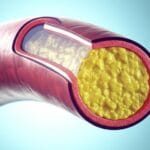
Over time, these fatty deposits form thick layers called plaque. As plaque grows, it narrows the space inside your arteries. This buildup is known as atherosclerosis. This condition raises your risk of dangerous medical events like heart attacks and strokes.
You want to keep your LDL cholesterol level low. For most healthy adults, a level below 100 milligrams per deciliter is ideal. If you already have heart disease or blocked arteries, your doctor may suggest keeping your LDL level below 70 milligrams per deciliter.
HDL Cholesterol: Is This the Good Cholesterol?
HDL stands for high-density lipoprotein. These particles consist mostly of protein. HDL is known as good cholesterol because it picks up extra, unwanted cholesterol from your blood and carries it back to your liver.
Your liver then breaks down this cholesterol and removes it from your body. This helpful cleaning process is called reverse cholesterol transport.
You want your HDL cholesterol level to be high. Men should try to keep their HDL level at or above 40 milligrams per deciliter. This women should aim for 50 milligrams per deciliter or higher.
If your HDL level is above 60 milligrams per deciliter, doctors consider it very protective. Higher levels help lower your overall risk of heart disease.
What Is VLDL Cholesterol?
VLDL stands for very low-density lipoprotein. VLDL particles mainly carry triglycerides, another type of fat, along with some cholesterol. They contain less protein than other lipoproteins.
Like LDL, VLDL falls into the bad category because it contributes to plaque buildup in your arteries.
In short, good cholesterol (HDL) helps remove the harmful effects caused by bad cholesterol (LDL and VLDL). LDL cholesterol is the main driver behind dangerous arterial plaque.
What Factors Can Affect Your Cholesterol Levels?
Many different factors influence your personal cholesterol numbers. Here are the main things that play a role:
- Age plays a natural role because your cholesterol levels tend to rise as you get older.
- Diet is crucial because eating foods high in saturated fat and trans fat raises your LDL levels. Choosing healthier foods helps lower your numbers.
- Exercise boosts your HDL good cholesterol levels. Try to get at least 30 minutes of physical activity on most days of the week.
- Heredity affects how much cholesterol your body makes naturally. Some families pass down traits that lead to high cholesterol.
- Gender and hormones also matter. Before menopause, women often have lower total cholesterol than men. After menopause, women often see their LDL bad cholesterol rise and their HDL good cholesterol drop.
Should You Check Your Cholesterol? What Happens If It Is High?
Yes, everyone should know their cholesterol numbers. How often you need a lipid panel test depends on your age and risk factors like diabetes, high blood pressure, or smoking. Ask your doctor how often you need testing. Knowing your numbers is one of the best ways to protect your heart.
If your test results show high cholesterol, try not to worry. Your doctor can help you create a treatment plan. The main treatment options include:
- Dietary changes involve eating more fiber, fruits, and vegetables while cutting back on unhealthy fats.
- Lifestyle changes include exercising regularly, maintaining a healthy weight, and quitting smoking.
- Medicines may be necessary if diet and exercise are not enough. Your doctor may prescribe statins or other cholesterol-lowering drugs.
Many people benefit from a combination of these steps. To find out what works best for you, get your cholesterol checked and talk to your doctor.
If you have not seen a doctor recently, schedule a checkup to review your health. Follow your doctor's schedule for routine tests. Staying aware of your cholesterol, blood pressure, and blood sugar helps protect your heart and blood vessels. Remember that it is never too early to start caring for your heart.
What Is the Main Takeaway You Should Remember?
Cholesterol is an essential fat that performs vital jobs in your body. You need a certain amount of it to stay healthy. However, having too much cholesterol in your blood can harm your health.
Remember that eating a healthy diet, exercising regularly, and following medical advice can help you control your cholesterol and live a long, healthy life. Take care of your heart starting today!
When to Seek Emergency Medical Help.
High cholesterol itself usually causes no symptoms. However, if plaque buildup leads to a heart attack or stroke, emergency care is required. Call 911 (US/Canada) or 999 (UK), or go to the nearest emergency department right away if you experience sudden chest pain, shortness of breath, sudden weakness or numbness on one side of your body, or sudden trouble speaking.
Cholesterol Comparison Table.
| Cholesterol Type. | Primary Role. | Target Level Goal. |
|---|---|---|
| LDL (Low-Density Lipoprotein). | Delivers cholesterol to cells; can build up as plaque in arteries. | Below 100 mg/dL. |
| HDL (High-Density Lipoprotein). | Removes extra cholesterol from blood and carries it to the liver. | Above 40-50 mg/dL. |
| Triglycerides. | Stores extra energy from the food you eat. | Below 150 mg/dL. |





No comments yet. Be the first to share your question or experience below.