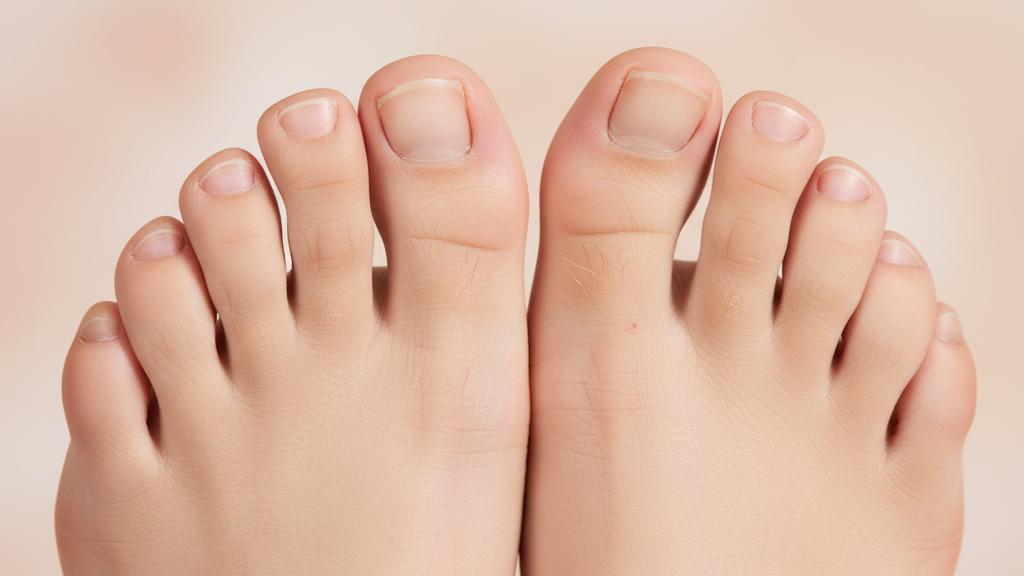
Have you ever noticed your toes—especially the smaller ones, excluding your big toe—bending and curling downward like a bird's claw? Perhaps your shoes pinch and hurt when you walk, or you have developed thick, hardened skin on top of your toe joints. This condition can cause constant discomfort, whether you are active or simply resting. Medically, this is known as Claw Toes. Let’s break down exactly what this means and how it affects you in simple, easy-to-understand terms.
What Exactly are Claw Toes?
Just as the name suggests, claw toes occur when your smaller toes bend abnormally downward into a claw-like shape. In this condition, the middle and end joints of the toes (the two joints furthest from your heel) bend sharply downward.
This deformity is particularly common in individuals with a high-arched (cavus) foot type and those suffering from certain neurological disorders. Most importantly, if you have diabetes (diabetic neuropathy), you must exercise extreme caution. Reduced sensation in your feet makes you highly susceptible to developing severe foot ulcers in these high-pressure areas.
The most critical thing to remember is that if you leave claw toes untreated, the joints can stiffen permanently over time, reaching a point where they can no longer be straightened manually.
Why Do Claw Toes Cause Pain?
Because your toes are curled downward, wearing shoes forces the tips of your toes to press hard against the soles. Simultaneously, the top of the bent joint rubs constantly against the upper part of your shoe. This continuous friction and pressure are the primary causes of your pain.
If left unaddressed, this constant rubbing can lead to:
- Corns (Corns): Painful, circular areas of thickened skin that develop on top of the bent joints.
- Calluses: Larger areas of hardened skin that form on the soles of your feet or around your toes.
- Blisters: Fluid-filled pockets caused by friction.
- In severe cases, open sores can develop, allowing dangerous infections to enter.
The Two Main Stages of Claw Toes
Claw toes do not become rigid overnight. This condition progresses through two distinct stages. Recognizing which stage you are in is crucial for your treatment.
| Stage | Description |
|---|---|
| Flexible Stage | This is the initial stage. While your toes are visibly bent, you can still straighten them out manually or through targeted stretching exercises. The joints have not yet stiffened. |
| Rigid Stage | This is a more advanced, chronic stage. The joints have completely locked into place. You cannot straighten them even with your hands, as they are fixed in this curled position. |
If surgical correction is ever required, performing the procedure during the flexible stage offers the most successful and least invasive outcomes.
What is the Difference Between Claw Toes, Hammertoes, and Mallet Toes?
It is very common to confuse these three terms. While they look quite similar, they are classified differently based on which specific toe joint is bent. Here is a simple guide to help you tell them apart:
| Condition | Affected Joint | Appearance |
|---|---|---|
| Claw Toe | Both the middle and end joints bend downward. | Looks curled, like a bird's claw. |
| Hammertoe | Only the middle joint of the toe bends downward. | Takes on the shape of an upside-down "V". |
| Mallet Toe | Only the joint closest to the tip (end joint) bends downward. | Only the very tip of the toe curls downward. |
What Are the Main Causes of Claw Toes?
In most cases, the root cause is a muscle imbalance in your foot. Simply put, the muscles that flex your toes become overactive, causing the tendons to tighten and pull the joints out of alignment. There are several factors that can trigger this muscular imbalance.
- Genetics (Family History): Yes, this condition can run in families. If your parents or other relatives have experienced this, you may also have an increased risk of developing it.
- Ill-fitting Footwear: This is one of the most common and critical causes. Wearing **tight, narrow, pointed-toe shoes, or high heels** over long periods puts immense pressure on your toes, forcing them into an unnatural bent position and depriving them of the space they need.
- Diabetic Neuropathy (Nerve Damage): If diabetes is not carefully managed, it can lead to nerve damage in your feet, causing the small muscles in your toes to weaken.
- Arthritis (Rheumatoid Arthritis and Osteoarthritis): Joint inflammation can damage and deform your joints, leading to claw toes.
- Chronic Alcohol Use: Long-term, heavy alcohol consumption can cause nerve damage (neuropathy) that leads to muscle weakness in your feet.
- Other Neurological Conditions: Conditions such as Charcot-Marie-Tooth disease, polio, cerebral palsy, or spinal cord tumors can also affect foot muscle function.
- Stroke: A stroke can cause weakness or muscle imbalances in the foot on the affected side of your body, resulting in claw toes.
- Foot Trauma: Severe injuries or trauma to your foot can also trigger this deformity.
What to Expect During Your Doctor's Visit
When you consult a healthcare professional at Nirogi Lanka about this condition, we will begin by thoroughly examining your feet. We will physically assess your toes to check their flexibility, testing how far they can be comfortably straightened.
Additionally, if we suspect an underlying neurological or nerve-related issue, we may recommend diagnostic tests. If necessary, you may be referred to a foot specialist, such as a podiatrist, or a foot and ankle orthopedic surgeon for specialized care.
Your doctor may ask you several questions, including:
* When did you first notice your toes starting to bend or curve?
* Have you developed any painful corns or calluses on your toes?
* Have you tried any home remedies or conservative treatments so far?
* Does anyone else in your family suffer from a similar condition?
* If so, do you know what caused it for them?
How Are Claw Toes Treated?
There are both non-surgical and surgical treatment options available. Fortunately, if diagnosed and treated in its early stages, claw toes can often be successfully managed without the need for surgery.
Non-Surgical Treatments
These are simple, highly effective measures you can take at home to manage your symptoms:
- Choosing the Right Shoes: Always wear shoes with a **roomy toe box, low heels, and excellent arch support**. Completely avoid tight, narrow, or pointed shoes that squeeze your toes.
- Using Shoe Inserts (Orthotics): Custom or over-the-counter orthotics and pads can help reduce friction on top of your toes. Consult your doctor for recommendations on the best inserts for your feet.
- Targeted Foot Exercises: Performing daily exercises to stretch and strengthen your toe muscles is vital for maintaining flexibility.
- Splinting or Taping: Using a specialized splint or medical tape can help keep your toes held in their correct, natural position.
Surgical Treatments
If your condition is severe—meaning your toes have become rigid and fixed in place, or you are experiencing persistent, debilitating pain—your surgeon may recommend a surgical procedure.
- Lengthening or rerouting the tendons to release tension.
- Shortening one of the small bones in your toe (phalanx).
- Temporarily inserting a small steel pin to keep the toe straight while it heals.
- Permanently fusing the joint (toe fusion) to keep it in a straight position.
These procedures are typically performed as outpatient surgeries, meaning you can comfortably return home on the same day. Because every surgery carries minor risks (such as nerve injury, infection, or recurrence), we will discuss all options and potential outcomes with you in detail beforehand.
Simple Exercises You Can Do at Home
These exercises are easy, highly beneficial, and require only a few minutes of your day.
- Manual Toe Stretches: Use your fingers to gently stretch your toes forward and downward, slowly encouraging them back into a straight, flat position.
- Towel Curls: Place a small towel flat on the floor, and use only your toes to grip and pull the towel toward you.
- Marble Pickups: Place small objects like marbles or small balls on the floor. Use your toes to pick them up and place them into a cup.
Can You Prevent Claw Toes?
While you may not always be able to prevent it entirely (especially if it is hereditary), you can significantly reduce your risk and keep the condition from worsening by taking these steps:
- Regularly stretch and exercise your toes to keep them flexible.
- Always choose comfortable, supportive footwear with plenty of toe room. It is highly recommended—especially for women—to limit the frequent use of high heels.
- Gently manage corns and calluses. If they develop, soak your feet to soften the skin, and then gently use a pumice stone to smooth them down. Do not try to cut them off yourself.
Please remember, it is crucial to consult a doctor as soon as you notice stiffness or find it difficult to bend your toe joints. If you delay, your toes can become permanently rigid, making treatment much more complex.
Important Takeaways (Take-Home Message)
- Claw toes cause your toes to bend downward like a claw. Left untreated, they can become permanently rigid and stiff.
- The primary causes are ill-fitting footwear, genetics, and nerve damage from underlying conditions like diabetes.
- In the early, flexible stage, claw toes can be managed and corrected with proper shoes, targeted exercises, and orthotic devices.
- If you experience persistent foot pain, notice painful corns, or find it difficult to straighten your toes, seek medical advice promptly.
- Simple daily foot exercises and smart footwear choices are your best defense against this condition worsening.
Claw Toes, toe deformities, foot pain, Hammertoes, Mallet Toes, diabetes and feet, corns and calluses, foot exercises