
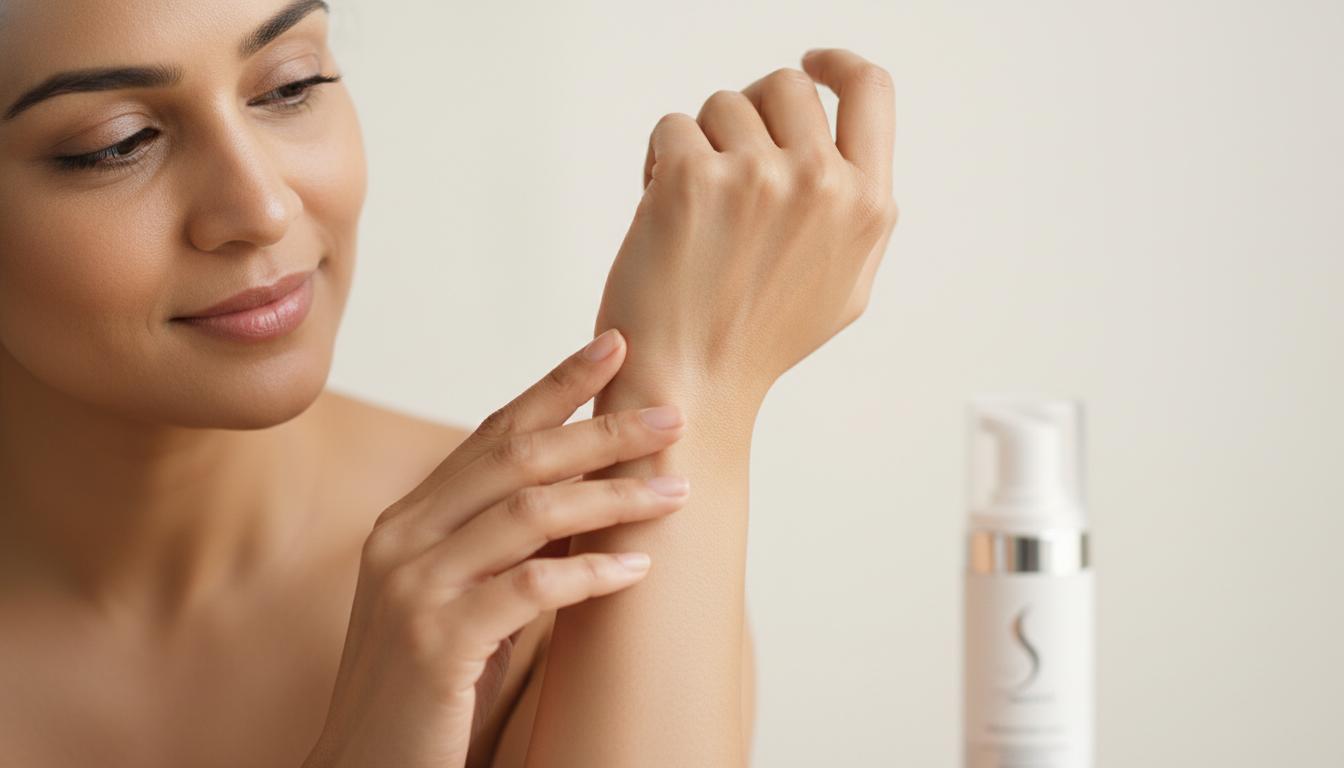
Do you notice dry, red patches on your skin that itch and peel? You might be dealing with a common skin condition called psoriasis. While it can feel frustrating, effective treatment options are available to help you manage your symptoms. One such helpful option is a medicated foam containing coal tar. Let us explore coal tar foam—often known by brand names like Scytera—to see how it can help you find relief.
Psoriasis causes your skin cells to multiply much faster than normal. This rapid growth leads to the buildup of thick, scaly patches and uncomfortable inflammation. Coal tar helps slow down this rapid cell growth, which calms the redness, reduces scaling, and eases the itch. Understanding how to use this medicine correctly ensures you get the best possible care for your skin.
Your doctor or pharmacist can help tailor this treatment to your unique needs. Before you start using coal tar foam, it helps to know what to expect and how to use it safely. Let us walk through everything you need to know about this medicine, from daily application tips to important safety warnings.
Key Takeaways for Managing Psoriasis with Coal Tar Foam
- Coal tar foam helps slow down rapid skin cell growth, easing redness, scaling, and severe itching.
- This medicine is strictly for external use on your skin only. Never take it by mouth.
- Your skin will become more sensitive to sunlight during treatment, so sun protection is essential.
- Always follow your doctor's exact instructions and report any unusual skin irritation right away.
- Keep the pressurized foam can away from open flames, heat sources, and children.
Renal function (eGFR)
Measure kidney function based on creatinine value
What Is Coal Tar Foam?
Simply put, coal tar foam is a prescription medicine used to treat skin conditions like psoriasis. It comes as an aerosol foam, much like a shaving cream. The active ingredient is coal tar, which has been used safely for decades in dermatology to calm irritated skin.
The main goal of this medicine is to reduce redness, burning, itching, and scaling. By slowing down the rapid turnover of skin cells, coal tar allows your skin to heal and regain its natural texture. Your doctor may also recommend coal tar preparations for other persistent skin conditions.
If you have any questions about how this medicine works, do not hesitate to ask your doctor or pharmacist. They can explain how it fits into your broader skin care routine and what kind of results you can expect over the coming weeks.
Things to Tell Your Doctor Before Using This Medicine
Before you start using coal tar foam, share your complete medical history with your doctor or pharmacist. Every person responds differently to skin treatments, so your care team needs specific information to keep you safe.
- Tell your doctor if you have large areas of broken, burned, or severely damaged skin.
- Mention if you are currently receiving radiation therapy or have had it in the past.
- Let your care team know if you have ever had an allergic reaction to coal tar, dyes, preservatives, or other medicines.
- Inform your doctor if you are pregnant, planning to become pregnant, or currently breastfeeding.
- Share a complete list of any prescription drugs, over-the-counter products, vitamins, and herbal supplements you take.
Sharing these details helps your doctor decide if coal tar foam is the right and safest choice for your skin. Open communication prevents unexpected complications and ensures your treatment plan is tailored just for you.
How to Use This Medicine Correctly
Using coal tar foam correctly gives you the best chance at clear, comfortable skin. Always read the product label and follow your doctor's exact directions for application.
This medicine is strictly meant for application on your skin. Never swallow it, and keep it away from your mouth, nose, and inner eyes!
- Wash your hands thoroughly with soap and water before and after applying the foam. If you are treating your hands, wash them before application and avoid washing them right away after unless directed otherwise.
- Keep the foam out of your eyes. If accidental contact occurs, rinse your eyes right away with plenty of clean water.
- Use the foam at the same time each day to maintain a steady level of medicine on your skin.
- Never apply more foam than your doctor prescribed. Using extra will not speed up healing and may increase your risk of side effects.
- Continue using the medicine for as long as your doctor recommends, even if your skin starts to look better.
How to Apply the Foam:
1. Shake the foam canister well before each use to mix the ingredients properly.
2. Clean the affected skin area gently with lukewarm water and pat it completely dry before application.
3. Hold the canister in an upright position and spray a small amount of foam directly onto your hand.
4. Gently massage the foam into the affected skin patches until the foam completely disappears and absorbs into the skin.
Using This Medicine for Children:
Doctors sometimes prescribe coal tar foam for children over the age of two who have specific skin conditions. If you are treating a child, follow your pediatrician's instructions carefully. Children have thinner and more sensitive skin, requiring extra care and supervision during treatment.
What to Do in Case of Overdosage
If you or someone else accidentally uses far too much foam, or if someone swallows the medicine by accident, seek medical help right away. Call your local emergency services (such as 911 in the US or 999 in the UK), or contact your nearest poison control center right away.
Prompt medical guidance ensures you manage any accidental exposure safely. Keep the medicine container nearby so doctors can see exact ingredient details if needed.
What to Do If You Miss a Dose
If you forget to apply your scheduled dose of foam, apply it as soon as you remember. However, if it is almost time for your next scheduled application, skip the missed dose entirely.
Return to your normal dosing schedule right away. Never apply a double dose or extra foam to make up for a missed application, as this can irritate your skin.
Does This Medicine Interact with Other Things?
Coal tar foam rarely causes major drug interactions when applied to the skin. However, you should still practice caution and keep your medical team fully informed.
Tell your doctor about every product you use, including prescription creams, herbal supplements, and daily vitamins. Mention if you smoke, drink alcohol, or use recreational substances, as overall lifestyle factors can influence how your body and skin respond to treatments.
Important Precautions During Treatment
While using coal tar foam, keep a few important lifestyle and safety considerations in mind to protect your health and comfort.
- Regular Check-Ups: Visit your doctor as scheduled so they can monitor your skin's healing progress and check for side effects. Contact them if your symptoms worsen or fail to improve.
- Staining Fabrics: Coal tar can stain clothing, bedding, and towels, especially light or white fabrics. Standard laundry detergent usually removes these stains.
- Sun Sensitivity: This is a crucial point to remember during your treatment period.
Coal tar makes your skin much more sensitive to ultraviolet light and natural sunlight than usual.
Sunlight exposure can easily cause painful sunburns or skin irritation while using this medicine. Follow these sun safety rules:
- Avoid spending extended time outdoors during peak daytime sunlight hours.
- Wear protective clothing that covers your arms and legs, and wear a wide-brimmed hat.
- Apply a broad-spectrum sunscreen with an SPF of 30 or higher whenever you go outside.
- Never use artificial sun lamps, tanning booths, or tanning beds while undergoing coal tar treatment.
Possible Side Effects of Coal Tar Foam
Like all medicines, coal tar foam can cause side effects, though not everyone experiences them. Most side effects are mild, but some require prompt medical attention.
Side Effects That Require Prompt Medical Attention:
- Allergic Reactions: Watch for sudden skin rashes, severe itching, hives, or swelling of your face, lips, tongue, or throat. Swelling in these areas can cause breathing difficulties and is a medical emergency.
- Severe Skin Reactions: Look out for intense burning, severe redness, blistering, crusting, or peeling at the application site.
Mild Side Effects That Usually Do Not Need Emergency Care:
- Mild stinging, slight redness, or dry skin right where you applied the foam.
- Temporary mild sensitivity to bright light.
If any mild side effect persists or becomes bothersome, let your doctor know. Report any unusual symptoms right away.
When to Seek Emergency Medical Care
Call 911 (US/Canada), 999 (UK), or go to your nearest emergency department right away if you experience signs of a severe allergic reaction, such as sudden trouble breathing, wheezing, swelling of the face, lips, or tongue, or widespread blistering across your body.
How to Store Your Medicine Properly
Proper storage keeps your medicine safe, potent, and ready for use.
- Keep the medicine container out of the reach of children and family pets.
- Store the canister at room temperature, ideally between 20°C and 25°C (68°F to 77°F). Avoid storing it in excessively hot or freezing areas.
- Coal tar foam is flammable. Never store the pressurized canister near open flames, sparks, direct heaters, or smoking areas.
How to Safely Dispose of Expired or Unused Medicine
Never throw expired or unwanted medicines straight into household trash without precautions, and avoid flushing them down the toilet unless specifically instructed.
- Check with your local pharmacy or municipal council to see if they offer a medicine take-back program.
- If you must discard it in household trash, mix the unused medicine with unappealing waste like used coffee grounds or cat litter. Seal the mixture securely in a plastic bag before throwing it in your outdoor trash bin.
This prescription medicine is prescribed exclusively for you. Never share your coal tar foam with friends or family members, even if they have similar skin symptoms.
Comparison of Psoriasis Care Options
| Treatment Type | Primary Purpose | Key Consideration |
|---|---|---|
| Coal Tar Foam | Slows rapid skin cell growth and reduces scaling. | Increases sun sensitivity; can stain light fabrics. |
| Topical Steroids | Quickly reduces inflammation and severe itching. | Long-term use can thin the skin. |
| Emollients & Moisturizers | Hydrates dry skin and repairs the skin barrier. | Safe for daily, frequent use with no harsh side effects. |
References & Further Reading:
1. Mayo Clinic. (2025). Psoriasis: Diagnosis and Treatment Overview. Retrieved from Mayo Clinic patient care guidelines.
2. National Health Service (NHS). (2024). Coal Tar Treatments for Psoriasis and Eczema. UK health guidance.
3. American Academy of Dermatology (AAD). (2024). Managing Psoriasis Flares with Topical Therapies.
4. Cleveland Clinic. (2024). Understanding Coal Tar Preparations in Dermatology.
5. U.S. Food and Drug Administration (FDA). (2023). Safe Use of Topical Skin Medicines and Patient Safety Guidelines.





No comments yet. Be the first to share your question or experience below.