
Have you ever been to a doctor and thought, "I wish there was something else I could do for this?" Maybe you need some extra relief from a physical ache, a mental ache, or just a feeling of being unwell. That's when we start thinking about what we call " complementary medicine ." These are like giving our health a little extra boost while we're using the medicine your doctor prescribes.
What is Complementary Medicine?
Simply put, (Complementary Medicine) is the Western treatment that you usually get from a doctor for an illness, that is, along with (traditional Western medicine) that we all know, and other treatment methods that are used in addition to it. Imagine, a doctor gives you medicine for a cold, and at the same time you make some coriander at home and drink it, or put a decoction on your chest. That's it, but these so-called complementary treatments are things that are done a little more formally, with training.
For example, massage , meditation , biofeedback , Tai Chi , Reiki , music therapy , guided imagery, and various dietary supplements fall into this category. These are done as a "complement" to your main medical treatment, that is, as a help.
What is the difference between complementary, alternative and integrative therapies?
These three words may seem a bit confusing to you, but the main difference is in how they are used. Let's take a look at what they are.
Complementary Medicine
This is what we are talking about. These methods are used in conjunction with the Western medical treatments you are already receiving (such as medication, immunotherapy, chemotherapy, radiation, surgery). That is, they are not stopping the treatment your doctor is giving you, but are being done in addition to it. The hope is that this will further help your healing process, or at least reduce the discomfort caused by the disease.
Alternative Medicine
(Alternative Medicine) refers to methods used instead of Western medical treatment . That is, a person stops taking the medicine prescribed by a doctor and follows another method instead. However, this can be a bit risky. Because, scientifically proven Western treatments are essential for some diseases. Therefore, stopping the main treatment without the advice of a doctor is not a good thing at all.
Integrative Medicine
Integrative Medicine is about thinking about your entire health and well-being. That is, instead of treating just your illness, it focuses on all aspects of your mental, emotional, physical functioning, spiritual, social, and community relationships. In this, both Western medical methods and appropriate complementary therapies are combined to plan a treatment plan that best suits you.
Simply put:
- Complementary: Something that is done alongside Western medicine.
- Alternative: Something that is done instead of Western medicine.
- Integrative: A method that combines Western medicine and complementary therapies to treat the whole person.
What health benefits do we get from these additional treatments?
The benefits of each complementary therapy may vary slightly, but in general, you may experience one or more of the following benefits:
- Reduces pain: Imagine you have a joint ache. A special massage, along with the medication prescribed by the doctor, can further reduce the pain.
- Reduces anxiety and stress: Things like meditation and yoga can help you relax.
- Reduces nausea: Some treatments, for example acupuncture, are said to help reduce nausea.
- Improves mood.
- Brings relaxation to the body and mind.
- Speeds up wound healing: Some massage techniques can help surgical wounds heal faster.
- It promotes good health, happiness, positivity, and inner peace.
- Reduces muscle tension.
- Reduces fatigue.
- Improves flexibility and circulation.
Let's talk about each of these treatment methods in more detail. Then you will understand what are the specific benefits of each method.
What are these types of complementary therapies?
There are many complementary therapies. Let's take a brief look at a few of them. (This list may not include all methods.)
Manipulation and body-based practices
These are treatments that mainly involve touching and manipulating the body.
- Massage: Massage is a method of stimulating the nerve endings and certain pressure points in our body to bring relief to the body. There are different methods such as (Shiatsu) , (Hellerwork®) , (Reflexology) . But the most popular (Swedish massage) has five basic strokes: (effleurage) (slow, rhythmic stroking in the direction of blood flow towards the heart), (petrissage) (squeezing, pressing, rolling the muscles), (friction) (applying constant pressure or gently touching in circles around the joints), (percussion) (slowly tapping the body with both hands) and (vibration) (vibrating the muscles back and forth). These massage treatments help reduce stress and anxiety, increase happiness, relax the body and control pain . If you have had surgery, massage can also help with the healing of incisions and reduce scarring. Foot massage has been found to be effective for pain, nausea, and relaxation.
- Reflexology: This involves applying pressure to specific points on your palms, soles of your feet, and ears that are believed to correspond to different organs or systems in your body. Reflexology can help relieve symptoms such as pain, constipation, and nausea.
- Chiropractic or osteopathic manipulation: This is a manual therapy. It focuses on your spine, other joints, and how they connect to your nervous system. These techniques involve moving your muscles and joints by stretching, applying gentle pressure, and applying resistance. This can help reduce muscle pain, improve range of motion, and improve function . It can also help reduce the severity of symptoms such as migraines , menstrual pain, and carpal tunnel syndrome .
- Cupping: This is also a type of massage therapy. Heated cups are placed on the skin to create a vacuum . This is said to increase blood flow to the targeted areas and reduce swelling. Our ancient medicine also had similar methods.
Mind-body techniques
These methods attempt to use the mind to improve physical activity and health.
- Meditation: Meditation is a way of focusing the mind, calming the mind, reducing muscle tension, and achieving inner peace. There are many meditation techniques that can be practiced alone or in a group.
- Relaxation and deep breathing: Breathing deeply, slowly, and relaxing your body can help reduce muscle tension, breathing difficulties, and anxiety. This can be especially helpful during difficult or stressful treatments.
- Yoga: Yoga is a gentle form of exercise that originated in India, consisting of postures and breathing techniques. It has been practiced in India for thousands of years and is now popular around the world. In the West, yoga is valued more for its physical benefits, such as its ability to increase flexibility, increase vitality, and reduce stress and fatigue, than for its spiritual benefits.
- Landscape therapy: Showing calming, peaceful, beautiful scenes. These scenes can be shown in a dark room (slide show) , on a video screen , or through books or paintings with beautiful pictures. This is often used as a distraction technique to manage things like pain and fear.
- Music therapy: This is a form of expressive art. It is designed to help people achieve harmony and balance. It involves both listening to music and playing musical instruments. There are people who have received special training in this (music therapists) . Through music, you can explore your emotional, spiritual, and behavioral issues. Music therapy helps to release emotions and relax the mind . Listening to music can be both calming and uplifting.
- Animal-assisted therapy: A therapist works with dogs or other animals to help you cope with your health problems (including mental health disorders, cancer, and heart disease). This can reduce pain, fear, depression, and fatigue associated with many health problems .
- Biofeedback: This is a training method. Through this, you learn to control your thoughts, feelings, or behaviors. The therapist measures your body's activity (for example, brain waves with an EEG , heart rate with an ECG , muscle contractions with an EMG ) throughout the treatment. You will see changes in these measurements as you learn new things.
- Guided imagery or visualization: In this therapy, a trained professional helps you create positive mental images and desired outcomes for certain situations. For example, you might imagine yourself becoming stronger and healthier as you relax. Or you might imagine that cancer cells are being destroyed. In another method, you might imagine yourself going through different aspects of the treatment, from the least scary to the most painful, feeling calm and relaxed at each step.
- Hypnotherapy: This is similar to guided imagery , but a doctor or licensed hypnotherapist puts you into a state of deep relaxation.
- Prayer therapy: This method uses prayer as a therapeutic tool for mental and emotional healing. Prayer can be used as a tool to explore past, present, or future pain and stress in your mind/soul. It can help you understand yourself better and explore and release your emotions. Your prayer is personal - the therapist only acts as a facilitator.
Energy force therapies
These are treatments that are believed to balance the body's "life force energy" or "energy fields."
- Tai Chi: Tai Chi is not a martial art. It uses breathing techniques and a series of slow, graceful movements to improve the flow of (qi) , or " life energy, " to calm the mind and aid in self-healing. It is also described as "meditation in motion." It is most often practiced as a preventative health care method, rather than a response to illness.
- Qi Gong: Qi Gong is an ancient practice that combines movement, breathing techniques, and meditation. It is designed to improve the flow of the (qi) , or "life force," around your body.
- Therapeutic touch: In this, the therapist balances their energy field with yours, correcting blockages in the "energy flow." This allows your body's healing power to flow freely. The therapist's hands are placed a few inches above your body and gently moved across it to look for changes or blockages in the energy field. The healing energy is directed from the therapist's body into your body. Touch therapy is used to treat stress-related conditions such as fatigue and headaches, as well as to relieve pain, especially after muscle strains and surgery. It has also been used to treat wounds, lymphatic system disorders, and circulatory disorders.
- Reiki: Reiki is a Japanese spiritual healing practice that comes from ancient Tibetan Buddhism. The purpose of Reiki is to promote health, maintain well-being, and help you reach a higher level of consciousness. Practitioners apply "Reiki energy" through their hands (placed over your body, over your clothing) to your specific areas of need. Reiki is said to balance the body's energy centers, or chakras , and remove energy blockages that can cause imbalance and illness. Some people may feel relaxed after a treatment; others may feel refreshed.
- Acupuncture: This is an ancient Chinese system of health care. It involves inserting very fine, thick needles into specific points on your body to prevent and treat certain diseases and conditions. Acupuncture is believed to release natural painkillers called endorphins , which can help you feel better. Acupressure involves applying pressure to the same points where the needles are inserted. It can also be effective, but to a lesser extent.
- Magnets: This treatment involves placing magnets on your body to try to reduce pain or increase healing.
Expressive therapies
These help express and understand feelings.
- Journal writing: Writing in a journal is a great way to manage some of the emotions that come with living with a medical condition. If you have a serious illness, it can be difficult to express your feelings to others. But when you write in a journal, you can express difficult feelings in a safe and private way. Writing in a journal regularly can help you clarify your thoughts and make better decisions.
- Art therapy: Drawing, coloring, and creating with materials like clay, especially when done with a group, can help express feelings that are not easily expressed in words.
- Support groups: In support groups, you can share your worries, fears, and hopes with others who are going through the same challenges in life as you. This can also help your family and friends.
Other additional treatments
- Dietary supplements and herbal remedies: Dietary supplements include vitamins, minerals, herbs, and enzymes . Their safety and efficacy are not regulated by agencies such as the US Food and Drug Administration. Therefore, you should be very careful when using these. Examples include (Glucosamine) , (Chondroitin) , (St. John's Wort) , (Ginkgo) , (Saw palmetto) , (Ginseng) , (Fish oil) , (Echinacea) , Vitamin D , garlic, calcium, and green tea. In our country, things like coriander, fenugreek, and ginger are also used, and they are similar. But you should definitely ask a doctor before taking these.
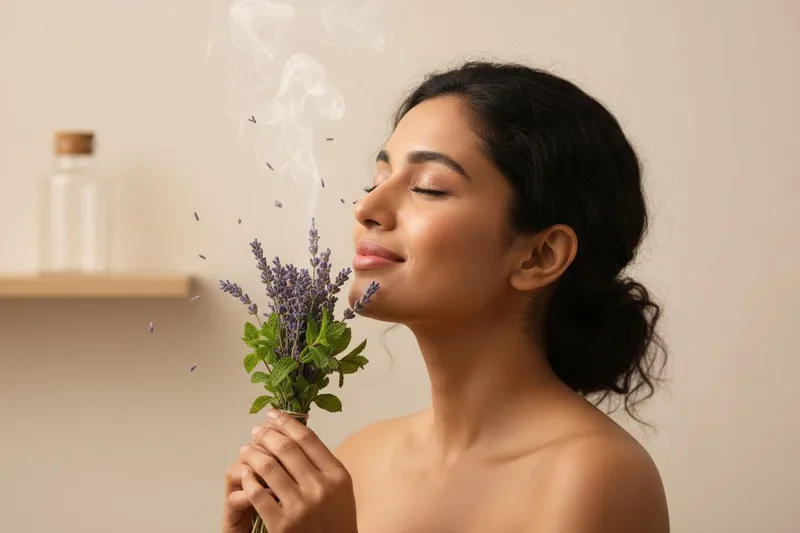
- Aromatherapy: In aromatherapy, you are exposed to essential oils . These oils can be diffused into a room or applied to the skin. The scents released by these oils are thought to affect the part of your brain called the hypothalamus , which controls your hormones . Scents are said to affect your mood, metabolism, stress levels, and sexual desire. Common oils include Chamomile , Lavender , Peppermint , Rosemary , Eucalyptus , Sandalwood, and Tea Tree . However, scent preferences and reactions to scents vary greatly from person to person.
What if I also want to start this additional treatment?
If you are interested in starting this type of complementary therapy, here are a few things you should keep in mind:
- First of all, talk to your primary healthcare provider about this. Tell him or her about the additional treatment you are considering.
- Never stop taking any medication prescribed by your primary care physician without first consulting him. This is very important.
- Ask your current doctor if there is anyone who can recommend additional treatments. You can also check the websites of local hospitals.
- Search online for the professional organizations of the person you want to treat. For example, if you're looking for a chiropractor, search for "chiropractor organizations." You can read about licensing or certification requirements, and maybe even find information about those in your area.
- Find out as much information as possible about the therapist you want to see. Their education, training, licenses, or certifications. These days, you can find this information on websites or by calling their office and asking before making an appointment.
- Ask if the additional therapist will work with your primary care physician. It is important that all of your doctors work together to provide you with the best possible care.
- Ask the complementary therapist if they have experience working with people with your specific health condition(s).
- Ask your insurance company if these additional treatments are covered, or how much they will cost you.
- Keep all of your doctors - both Western doctors and those who practice complementary therapies - up to date on all medications, other health products, and treatments you take. This will give each doctor a complete understanding of the steps you are taking to manage your health.
- If your symptoms persist or worsen, be sure to see your primary care physician.
How do we know if this additional treatment is safe, effective, and scientifically reliable?
This is also a very important question. Because scientific research on the safety and effectiveness of every complementary therapy is not always available. Here are some ways you can find information:
- Talk to your primary care physician. Tell him or her about any additional treatments you're considering. Ask him or her about the safety and effectiveness of these methods.
- Ask your complementary therapist if there are scientific sources supporting the safety and effectiveness of the methods they use for your health condition.
- Visit your local library or a medical library (some medical schools and hospitals have them). Ask for help finding scientific journal articles or reliable books about the complementary therapy or product you are interested in.
- Check out reliable websites. Several U.S. government websites have information on this. For example, you can find useful information on the websites of the National Center for Complementary and Integrative Health , the U.S. Food and Drug Administration , and the National Institutes of Health Office of Dietary Supplements . Although these are U.S. agencies, the importance of checking reliable sources is relevant to us as well.
Finally, things to remember (Take-Home Message)
There are many complementary therapies. Their history is intertwined with the cultures of China, India, Tibet, Africa, and the Americas. Compared to Western medicine, these therapies are not as widely used in some countries.
Most importantly, since many of these treatments have not been subjected to the same rigorous scientific research as Western medicine, it is wise to discuss this with your primary care physician.
Remember:
- These treatments are "additional" treatments. They should be used as an addition to your main medical treatment.
- It is essential to tell both your Western doctor and the person providing this additional treatment about every medication you take, every supplement you use, and every treatment you undergo.
- Do not stop taking prescribed medication without consulting your primary care physician for any reason.
It's best to be informed and cautious when making decisions about your health.
` Complementary therapies, Complementary Medicine, Massage, Meditation, Yoga, Wellness


💬 Comments (0)
No comments yet. Be the first to share your thoughts here.
Add Your Comment