

During the coronavirus pandemic that turned our lives upside down, many of us were afraid to go to the doctor for even a simple illness, weren't we? Among them, there was an even greater fear of going to see a dentist , that is, a dentist. Because during dental treatment, the doctor has to get very close to our mouth and nose. So this fear is reasonable. But, what do you do if you have a toothache or a gum problem? Today, let's talk about the things we need to be aware of when seeking dental treatment under such a pandemic situation.
Is a dental office really safe?
Imagine, from the moment we step out of the house, we are exposed to germs everywhere we go. However, in any healthcare setting, including a dental office, strict safety protocols are followed. Typically, your dentist and staff wash their hands frequently and thoroughly disinfect the equipment they use. Some items, such as needles , are not used more than once.
But with a pandemic like COVID-19, these safety measures have been tightened. For example:
- Regularly disinfect all surfaces in the operating room, such as tables, chairs, and equipment.
- Clean and cover equipment thoroughly after each patient before using it on another patient.
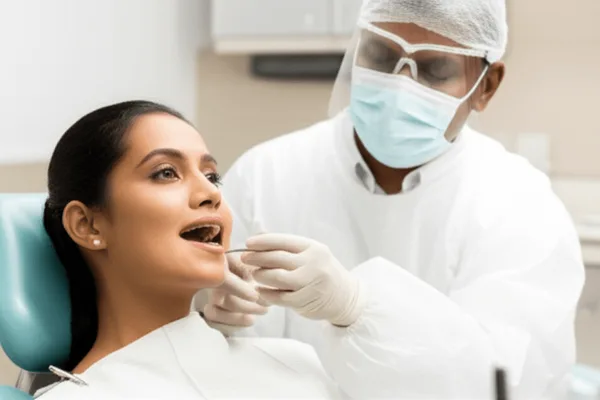
- Wearing more personal protective equipment (PPE) and face masks than usual.
- Use a special rubber dental dam to cover your mouth during treatment.
In addition, they can follow several other steps.
- Increasing the gap between appointments, rather than bringing patients in at the same time.
- Call before you arrive and ask about your health.
- Checking your body temperature and asking about other symptoms when entering the operating room.
- Make sure you wear a well-fitting face mask .
- Asking about places you have traveled to recently.
- Asking if you have been in contact with people infected with COVID-19 .
- Inform them to avoid arriving before the scheduled time and waiting .
- Asking to limit the number of people coming with you.
- Telling you to wait outside the operating room until you are ready to be taken in.
- Maintaining a distance of 1.5-2 meters (social distancing) between chairs in the patient waiting area.
- Removing commonly touched items such as toys and magazines from the waiting area.
These things are done to ensure your safety, the safety of the medical staff, and the safety of other patients who come there. Therefore, it is very important to follow these instructions.
Things to consider before going to the dentist
The coronavirus that causes COVID-19 is mainly spread through respiratory droplets. Simply put, these are the droplets of saliva that enter the air when someone coughs or sneezes. If a healthy person breathes these in, they can become infected. The virus is also present in the saliva and mucus in our mouths and throats. So a dentist is constantly exposed to these things when performing treatment. These droplets can be released into the air when using certain dental instruments .
Many dental offices are not designed to provide the highest level of protection against airborne diseases , as they typically do not have special air-filtered, single-patient isolation rooms (airborne infection isolation rooms). This is why it is so important to take extra precautions.
Emergency treatment and deferral treatment - what's the difference?
The biggest question right now is, "Do I need to go to the doctor right away for this tooth problem, or can I wait a while?" To understand the answer to this, we need to know the difference between emergency and non-emergency treatment.
Let's simply understand this difference from the table below.
| Type of treatment | Examples |
|---|---|
| Situations that require emergency treatment (don't put these off!) | |
| Severe pain | An unbearable severe toothache or gum pain. |
| Bleeding that won't stop | Unstoppable bleeding from anywhere in the mouth. |
| Swelling and infections | Swelling inside the mouth, gums, face, or neck. These can be signs of an infection. |
| Broken tooth | If a tooth breaks and causes severe pain or injury. |
| Cancer-related treatments | Examination of a piece of tissue suspected of being cancerous (biopsy) or dental treatment related to cancer treatment. |
| Other emergencies | A risk of respiratory distress, injuries caused by dental wires, and the loosening of a temporary dental crown. |
| Non-urgent treatments that can be postponed | |
| General checks | Teeth cleaning, annual dental check-ups, routine X-rays. |
| Painless treatment | Painless tooth filling (cavities), painless tooth extraction. |
| Beauty treatments | Teeth whitening, other treatments to improve the appearance of teeth. |
| Dental check-up | Routine checks for braces. |
What to do if you have COVID-19 symptoms?
If you have a dental problem, the first thing to do is call your dentist. Once you have explained your situation, they will determine whether it is an emergency and whether you should come in. If they cannot take care of you in an emergency, they will advise you of another suitable place to go.
Most importantly: Avoid going straight to the hospital emergency room (ETU) unless it is an emergency and you cannot see your dentist. Talk to your dentist first.
If you have symptoms of COVID-19 (fever, cough, difficulty breathing) or suspect you may have been infected, be sure to let your dentist know. Don't hide it. They can then take special measures to minimize the spread of the virus.
Also, if you develop symptoms of COVID-19 within 14 days of visiting the dentist, it is your responsibility to notify the dental office. This will help them take the necessary precautions and protect others.
Take-Home Message
- During a pandemic like COVID-19, dental clinics are taking extra, strict measures to ensure your safety.
- Understand whether your dental problem is urgent or something that can be postponed. The table above will help you with that.
- Before seeking treatment for any dental problem, call your dentist first and seek advice.
- Be honest with your dentist about your health condition, especially if you have COVID-19 symptoms. Hiding it puts you, them, and society at risk.
- The best way to protect yourself from the COVID-19 virus is to get the recommended vaccines and booster doses.




💬 Comments (0)
No comments yet. Be the first to share your thoughts here.
Add Your Comment