
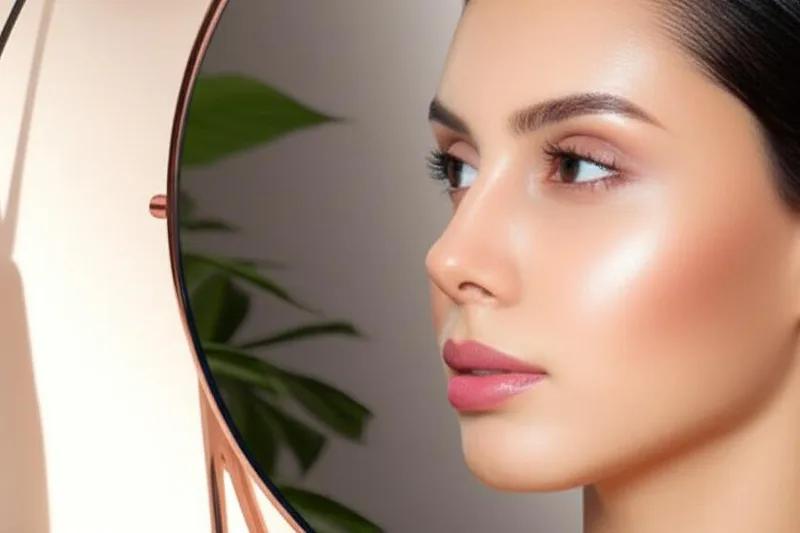
You must be tired of waking up every morning and thinking about the time it takes to put on makeup, draw eyebrows beautifully, and apply lipstick, right? Sometimes it's a little annoying when you can't do these things properly. As a solution to this problem, many people today have turned to what is called 'permanent makeup'. So today, let's talk about what this so-called permanent makeup really is, how safe it is, and what you need to be aware of before getting it done.
What exactly is permanent makeup?
Simply put, this is also a form of cosmetic tattooing . It's like getting a tattoo, but instead of a large design like a tattoo, it involves very subtle injections of pigment into the skin to suit your cosmetic needs.
Imagine, if your eyebrows are very thin, or if your eyebrows are not completely even, this method can create a natural-looking eyebrow. The same can be done for the lips. Some people have lipstick that spreads around the lips when they are applied ("lipstick bleed"). This method can give the lips a beautiful shape and clarity. It can also change the color of the lips and make the small blemishes on the lips invisible. Then you won't have to wear lipstick every day. When you use this as eyeliner around the eyes, you can put the eyeliner aside for years.
This is not just a cosmetic procedure. This technique is also used for some medical reasons. For example, this technique is used to reconstruct the nipple after a breast has been surgically removed due to breast cancer.
Things to think about before doing this
This is the most important part. Because this is being done to your face. So don't just go for it after seeing a billboard on the street or a place that does it for a small fee. This is a very delicate and responsible thing to do.
Before choosing a good place, be sure to research these things:
- Check qualifications: What are the qualifications of the person doing this ( tattoo artist/aesthetician)? Do they have a recognized license in this regard?
- Ask previous customers: If possible, talk to people who have previously used the service at that location and ask about their experiences.
- Look at photos: Ask for 'before-and-after' photos of previous work they've done.
- Cleanliness and safety: Make sure with your own eyes that the equipment they use is sterilized and that they use new sterile gloves and needles for each person.
It is best to choose a licensed esthetician who is recommended by a cosmetic surgeon and has a government-recognized license. This is essential to avoid infection and achieve professional results.
How does the permanent makeup process work?
This process takes place in several steps. To be precise, this is a very planned process.
| Step | Description |
|---|---|
| 1. Allergy test (Patch Test) | To see if your skin will have an allergic reaction to the pigment you are going to use, you will test the pigment on a small area of your skin. This is a very important step. |
| 2. Choosing color and shape | You will talk to your beautician and choose a color and shape that suits your skin tone and face shape. Then, they will apply the makeup to the area you want to apply with a sterile surgical pen. |
| 3. Skin numbness (Anesthesia) | To reduce pain, an anesthetic gel is applied to the area. |
| 4. Pigmentation (Procedure) | Using a small, hollow, vibrating needle, the pigment is carefully inserted into the top layer of skin. Each time the needle penetrates the skin, a small amount of pigment is added to the skin. You may feel a slight stinging sensation during this time. |
What happens after you do this?
After getting permanent makeup , it takes about three weeks for the final, permanent color to develop, so don't worry about the color you see at first.
Appearance and care in the early days
At first, the area where this was done will look very dark and shiny. The skin around it will be a little swollen and red. Don't worry about this, this is normal.
- Reduce swelling: Wrap ice cubes in a clean cloth and apply a cold compress to the area.
- Prevent infections: Use the antibiotic ointment prescribed exactly as prescribed to prevent infections.
- Sun protection: This is extremely important . You should avoid the sun completely for a few weeks. If you do go out, be sure to use a good sunscreen that blocks both UVA and UVB rays . Otherwise, you may develop post-inflammatory color changes.
Possible complications
Complications are rare, but infections or allergic reactions to the dyes used can occur. If you experience excessive pain, swelling, or pus, see your doctor immediately .
Is this covered by insurance?
Generally, no. Cosmetic procedures are not covered by insurance. However, as I mentioned earlier, if you are having a procedure done for a medical reason (e.g. breast reconstruction), it is best to talk to your doctor and insurance company to make sure.
Take-Home Message
- Permanent makeup is like a tattoo. That means it's permanent. So think twice, not twice, before making this decision.
- The most important decision you will make on this journey is to choose a professional who is qualified, licensed, and takes cleanliness very seriously . Don't choose places based solely on price.
- Be sure to follow the instructions given after this, especially the instructions regarding sun protection . This will greatly affect the success of the result.
- If you see signs of infection, such as excessive redness, swelling, pain, or pus at the injection site, seek medical advice without delay .




💬 Comments (0)
No comments yet. Be the first to share your thoughts here.
Add Your Comment