
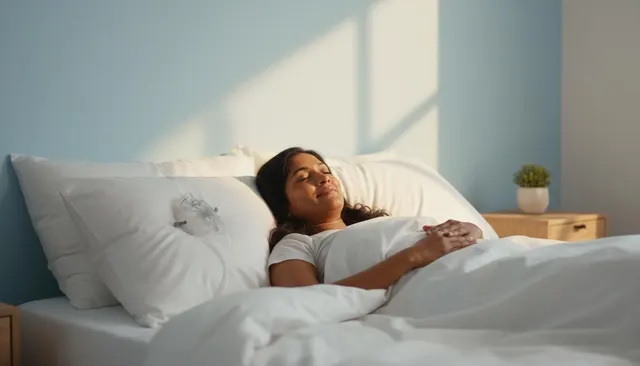
Do you wake up feeling completely drained, as if you barely slept at all? Do your family members complain that you snore loudly or stop breathing for a few seconds during the night? Daytime sleepiness, morning headaches, and constant fatigue can take a heavy toll on your daily life. If these signs sound familiar to you, you might be having a common condition called obstructive sleep apnea. Fortunately, modern medicine offers safe and highly effective solutions to help you breathe easily and sleep deeply once again.
One of the gold-standard treatments for this sleep disorder is a small bedside device known as a CPAP machine. While the technology might look a bit intimidating at first glance, it transforms millions of lives every single night. In this complete guide, we will break down everything you need to know about CPAP therapy in simple, easy-to-understand terms. Let us explore how these machines work, the different types available, and how you can make your sleep therapy a complete success.
Key Takeaways
- What is OSA?: Obstructive sleep apnea causes your airway to collapse repeatedly while you sleep, cutting off oxygen.
- How CPAP Helps: A CPAP machine delivers a gentle stream of air to keep your airway open all night long.
- Consistency is Key: Using your machine every single night yields the best short-term and long-term health benefits.
- Mask Comfort: Finding the right mask style and fit makes a massive difference in your daily comfort and therapy success.
Calculate regular sleep cycles based on bedtime or wake up time
What is a CPAP Machine in Simple Terms?
CPAP stands for Continuous Positive Airway Pressure. While the name sounds a bit technical, the basic concept is remarkably straightforward. A CPAP machine is a compact, quiet bedside device designed to keep your airway open while you sleep. It gently blows room air through a flexible tube and into a special mask worn over your nose or mouth. This steady stream of air acts like an invisible splint, keeping your throat from narrowing or collapsing.
A standard CPAP setup consists of several key parts working together:
- The Mask: This fits securely over your nose or both your nose and mouth to deliver the airflow.
- The Headgear: Soft straps hold your mask gently in place on your face without leaking air.
- The Tubing: A flexible hose connects your mask directly to the main motor unit.
- The Motor: This quiet device draws in room air, filters it, and pressurizes it to your prescribed setting.
- The Air Filter: This captures dust and allergens so you breathe clean, purified air all night.
Many modern machines also feature heated humidifiers. These add comforting moisture and warmth to the air stream, preventing your nose and throat from drying out.
What Medical Condition Does a CPAP Machine Treat?
CPAP machines are primarily prescribed to treat a common and serious sleep disorder called obstructive sleep apnea, often abbreviated as OSA. When you fall asleep, the muscles in the back of your throat naturally relax. If you have OSA, these muscles relax far too much. Your airway narrows or completely closes, blocking air from reaching your lungs.
Your brain quickly senses this lack of oxygen and wakes you up just enough to take a breath, often with a loud gasp or snort. This cycle can happen dozens or even hundreds of times every single night without you fully realizing it. Treating this condition protects your body from dangerous drops in blood oxygen levels.
Leaving sleep apnea untreated over time greatly raises your risk of developing severe health complications, including:
- High blood pressure and hypertension .
- Heart disease and irregular heart rhythms .
- Stroke and cardiovascular events .
- Type 2 diabetes and metabolic issues .
- Memory problems and daytime cognitive decline .
Also, chronic sleep deprivation impairs your reflexes and focus, dramatically increasing your risk of dangerous drowsy driving accidents.
By keeping your airway open throughout the night, a CPAP machine stops these dangerous breathing interruptions. It restores deep, restorative sleep so you wake up refreshed and protected.
How Does the Machine Actually Work?
The mechanism behind CPAP therapy is simple and physics-based. The machine draws in air from your bedroom, filters it for purity, and pressurizes it to the exact level your doctor prescribes. It then pushes this air continuously through the delivery tube into your mask.
This constant, gentle pressure creates a pneumatic splint inside your throat. It prevents your tongue, soft palate, and uvula from falling backward and blocking your airway. Think of it like inflating a soft balloon just enough to keep its walls from touching. This steady airflow stabilizes your breathing pattern, eliminates snoring, and dramatically improves your overall sleep quality.
To experience these benefits, consistency is essential. You must use your CPAP machine every single time you sleep, whether it is for a full night's rest or a quick afternoon nap. Regular cleaning of your mask and tubing, along with replacing parts on schedule, ensures your therapy remains safe and effective.
Are There Different Types of CPAP Machines?
Yes, CPAP is just one category of positive airway pressure therapy. Depending on your specific medical needs and sleep study results, your doctor may recommend one of several device types.
| PAP Device Type | How It Works |
|---|---|
| Standard CPAP | Delivers a single, constant stream of air pressure throughout the entire night. |
| Auto CPAP (APAP) | An intelligent device that automatically adjusts pressure levels up or down based on your breathing needs. |
| Bi-level PAP (BiPAP) | Provides two pressure settings: higher pressure when you inhale and lower pressure when you exhale to make breathing easier. |
| Adaptive Servo-Ventilation (ASV) | A specialized device used for complex breathing disorders such as central sleep apnea. |
How Do You Choose the Right Mask?
Choosing a comfortable, well-fitting mask is critical to your success with sleep therapy. Because you wear it every night, finding the right match for your facial structure and sleeping habits matters immensely.
| Mask Style | Description and Ideal User |
|---|---|
| Nasal Mask | Covers your nose completely. Great for active sleepers who move around often during the night. |
| Nasal Pillow Mask | Rests gently against your nostrils with small silicone tips. Ideal for glasses wearers who like to read before sleep. |
| Full Face Mask | Covers both your nose and mouth in a triangular design. Perfect for people who breathe through their mouth or suffer from nasal congestion. |
| Hybrid Mask | Combines a mouth cushion with nasal pillows while leaving the bridge of your nose completely uncovered. |
Do not feel discouraged if your first mask does not feel perfect right away. Many people test a few different styles before finding the ideal fit. Talk openly with your doctor or equipment provider if you experience discomfort.
What Are the Benefits of Using a CPAP Machine?
Using your CPAP machine consistently brings an incredible array of short-term and long-term health benefits that transform your quality of life.
Short-Term Benefits:
- Better Sleep Quality: You enjoy deep, uninterrupted rest and wake up feeling truly energized.
- Elimination of Snoring: Quiet nights mean restful sleep for both you and your partner.
- Reduced Daytime Sleepiness: You stay alert and focused while driving, working, or spending time with family.
- Improved Mood: Restful sleep reduces irritability and stress, lifting your daily spirits.
Long-Term Benefits:
- Blood Pressure Control: Lower cardiovascular strain helps regulate your blood pressure naturally.
- Lower Heart Risk: Significant reduction in the likelihood of heart attacks, strokes, and irregular heartbeats.
- Sharper Cognitive Function: Enhanced memory, focus, and long-term mental sharpness.
Are There Side Effects or Challenges?
Adjusting to CPAP therapy takes time, and the first few nights can present minor challenges. Many beginners feel a mild sense of claustrophobia or frustration while trying to sleep with headgear on.
While adapting requires patience, overcoming these early hurdles unlocks life-changing health rewards. Never give up on your therapy too soon.
Common minor side effects include:
- Stuffy or congested nose .
- Runny nose or sneezing .
- Dry mouth and throat .
- Minor nosebleeds .
These symptoms usually occur because the pressurized air is cool and dry. Using a heated humidifier resolves most of these issues easily. If your mask causes skin irritation or red marks, it may be the wrong size or your straps might be too tight. Always consult your doctor to resolve any persistent discomfort.
Are There Alternatives to CPAP Therapy?
While CPAP remains the most effective treatment for sleep apnea, alternative options exist for mild cases or specific patient needs.
- Oral Appliance Therapy: Custom dental devices shift your lower jaw forward to keep your airway open.
- Positional Therapy: Specialized pillows or devices prevent you from sleeping flat on your back.
- Weight Management: Shedding excess weight can reduce tissue crowding around your airway and lessen sleep apnea severity.
- Surgical Options: Procedures can remove physical blockages like enlarged tonsils or excess throat tissue in select cases.
Your doctor will help determine which alternative treatment suits your specific medical profile.
🚨 When to Seek Emergency Medical Help
If you experience severe chest pain, sudden shortness of breath, confusion, or signs of a stroke while using your equipment, stop therapy right away and call 911 (US/Canada) or 999 (UK) / visit your nearest Emergency Department (ER) right away.
💡 Take-Home Message
Untreated sleep apnea poses serious risks to your long-term health and daily well-being. A CPAP machine provides a proven, highly successful way to restore normal breathing patterns.
Although adjusting to therapy takes patience during the first week, sticking with it pays off immensely. Finding a comfortable mask tailored to your facial structure makes a significant difference in your daily compliance.
Talk to your doctor about any side effects like dry mouth or skin irritation, as simple adjustments can solve them quickly. Investing in restful, uninterrupted sleep is one of the most powerful steps you can take for your overall health.
Sources & References:
- Mayo Clinic. "CPAP machines: Tips for avoiding 10 common problems." Available from: mayoclinic.org.
- Cleveland Clinic. "Continuous Positive Airway Pressure (CPAP)." Available from: my.clevelandclinic.org.
- NHS UK. "Treatment - Obstructive sleep apnoea (OSA)." Available from: nhs.uk.
- Centers for Disease Control and Prevention (CDC). "Sleep and Sleep Disorders." Available from: cdc.gov.
- National Institutes of Health (NIH) / PubMed. "Positive Airway Pressure Therapy Compliance and Clinical Outcomes." PMID: 31204921.




No comments yet. Be the first to share your question or experience below.