

Tooth loss can happen for many reasons as we get older, or after an unexpected injury or severe tooth decay. When you lose teeth, eating your favorite foods, speaking clearly, and smiling with confidence can feel difficult.
Many people feel stressed or worried about how this changes their daily life. That is when dentures come in as a helpful solution to replace missing teeth and restore your smile.
In this guide, we will talk about what dentures are, who needs them, and how to clean and care for them properly. Taking good care of your dentures helps them last longer and keeps your mouth healthy.
Key Takeaways.
- Dentures are removable or fixed artificial teeth that replace missing natural teeth.
- Daily cleaning is essential to remove food particles and prevent harmful germs.
- Never use hot water or regular toothpaste, as both can ruin your dentures.
- Remove your dentures at night to give your gums a healthy rest.
- Visit your dentist regularly to check your fit and overall mouth health.
What Are Dentures?
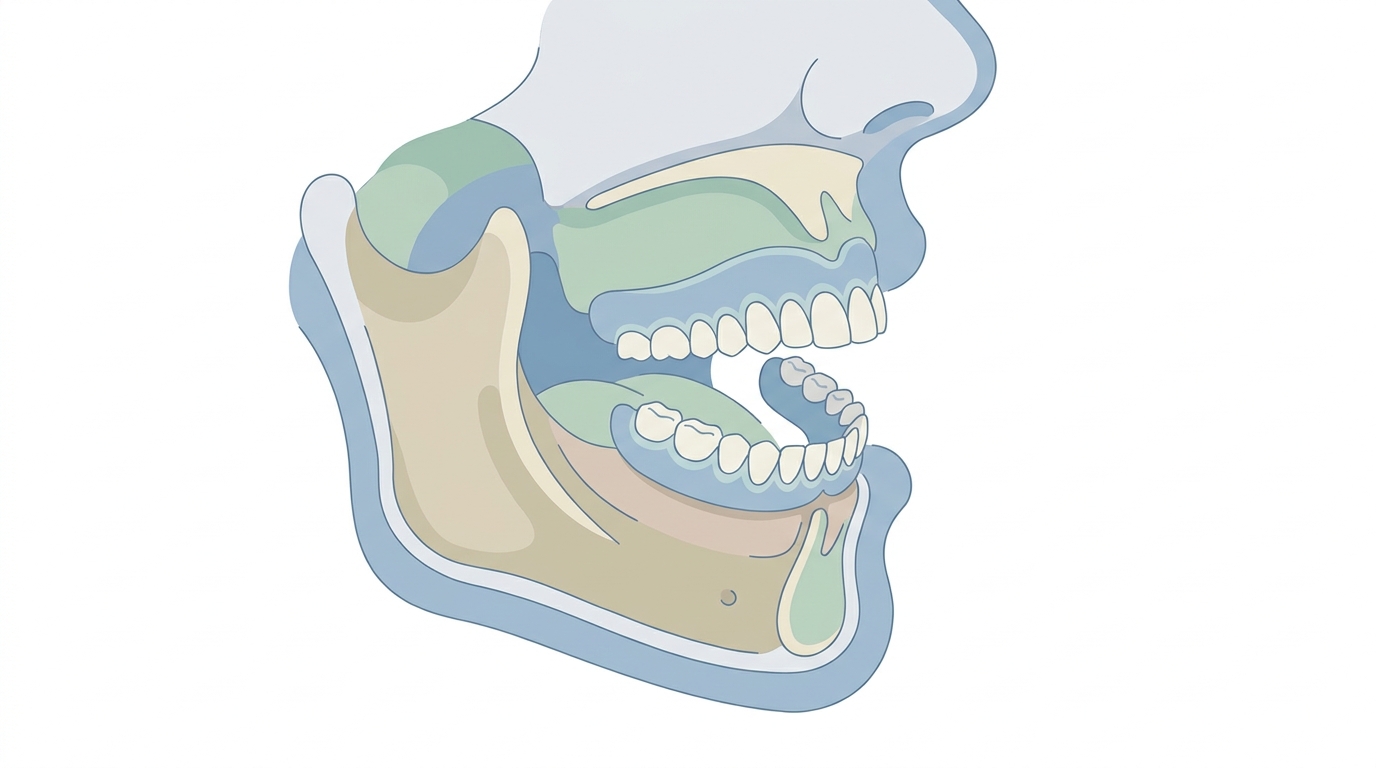
Simply put, dentures are removable artificial teeth and gums created to replace your missing teeth. When you wear them, chewing your food becomes easier and your speech becomes much clearer.
They also restore your natural facial shape and bring back your confident smile. People often call them false teeth or dental plates.
Specialist dental doctors who focus on replacing missing teeth are called prosthodontists. They help design and fit the right dentures for your mouth.
Who Needs Dentures?
Adults over the age of sixty use dentures quite often. However, people of any age might need these dental devices for different reasons.
Here are some common reasons why people lose teeth and need dentures:
- Tooth Decay and Cavities: Poor brushing habits and sugary foods can rot your teeth until they cannot be saved. Dentists sometimes need to pull these bad teeth out, leaving gaps that dentures can fill.
- Facial Injuries: Sudden accidents can break or knock out teeth from your mouth. Sports injuries are another common cause of unexpected tooth loss.
- Gum Disease: Serious gum problems can make your teeth loose and cause them to fall out over time. Dentures offer a great way to replace these lost teeth.
If you lose teeth for any reason, do not feel sad or worried. You can talk to a dentist about getting dentures that fit your needs.
Types of Dentures.
Your dentist will recommend the best denture type based on how many teeth you are missing. There are a few main types of dentures available:
- Complete Dentures: These are full sets of artificial teeth that rest right on your gums. People use them when all natural teeth are missing from the upper jaw, lower jaw, or both jaws. They can be easily taken out at the end of every day.
- Partial Dentures: These work best when you are missing only one tooth or a few teeth. The denture connects to your remaining healthy teeth using metal or plastic clasps, or sometimes dental implants. You can remove them easily, and they help protect your remaining natural teeth.
- Fixed Partial Dentures: People commonly know these as dental bridges. A dentist permanently cements them to the healthy teeth on either side of the gap. Only a dental doctor can remove them, and they feel very much like your own natural teeth.
Your dentist will check your mouth carefully and explain which type of denture is right for you.
How to Clean Your Dentures.
Just like your natural teeth, dentures need daily cleaning to stay fresh and safe. This step is extremely important to stop food and germs from building up and causing mouth infections or bad odors.
If you do not wear fixed partial dentures that stay permanently in your mouth, you must take them out to clean them properly. Follow these simple steps to keep your dentures clean and safe:
Take Care of Your Gums and Natural Teeth Too.
Even after getting dentures, you must clean your gums, tongue, roof of your mouth, and any remaining natural teeth twice every day. Use a soft-bristled toothbrush for this gentle cleaning routine.
This simple habit gives your gums a nice massage and boosts blood flow while clearing away germs. Because your dentures press against your gums, keeping them clean helps protect your gum health.
Important Rules for Cleaning Dentures.
- Clean Them Carefully: Place a soft towel on your bathroom counter or fill your sink with water before cleaning your dentures. If you accidentally drop your denture, the towel or water cushion prevents it from breaking.
- Use Safe Cleaners: Use a special soft-bristled denture brush with a little mild soap, hand soap, or denture cleanser. Never use regular toothpaste or a standard toothbrush because their abrasive ingredients can scratch the plastic surface. Scratches trap germs easily and can fade the color of your denture.
- Keep Them Wet: If you are not putting your denture back into your mouth right away, place it in a cup of cool water or a denture-cleansing solution. Letting dentures dry out can permanently change their shape, making them painful or impossible to wear.
- Rinse Well: Always rinse your dentures thoroughly with clean water before putting them back into your mouth. This washes away any leftover cleaning solution and prevents mouth irritation.
Important Note: Clean your dentures at least once a day. The best time is right before you go to sleep at night, so they can soak safely until morning.
How Else Can You Keep Your Dentures in Great Shape?
With proper care, your dentures can last anywhere from five to seven years. Over time, however, your gum shape changes slightly, meaning your dentist might need to refit or remake the base.
To keep your dentures in top condition for as long as possible, follow these helpful tips:
- Rinse After Meals: Take your denture out and rinse it with water after every main meal or snack whenever possible. This stops food particles from building up and keeps your mouth fresh.
- Avoid Hot Water: Never put your dentures in hot water. High heat warps and bends the plastic material, ruining the fit and causing discomfort.
- Take Them Out at Night: Avoid sleeping with your dentures in your mouth. Take them out at night, clean them, and store them in a glass of cool water to give your gums a healthy rest.
- Consider an Ultrasonic Cleaner: These small countertop devices use sound waves and special cleaning solutions to blast away trapped food and debris. Ask your dentist if they recommend or provide this tool.
- Never Repair Them Yourself: If your denture breaks or feels loose, do not try to fix it at home with glue or repair kits. DIY fixes cause permanent damage, so visit your dental doctor right away for professional help.
- See a Doctor for Mouth Sores: If your dentures cause painful sores or gum infections, visit your dentist right away. They can adjust the fit safely without harming your mouth or the appliance.
- Skip Bleach and Harsh Whiteners: Never use bleach or whitening toothpaste on your dentures. Bleach weakens the material and changes its color. Stick to gentle brushing and approved denture cleansers instead.
- Schedule Regular Dental Checkups: Visit your dentist at least once a year to check your gum health and verify that your dentures still fit correctly. Regular visits help catch small problems early.
Take-Home Message.
Dentures offer a wonderful solution to replace missing teeth and restore your bright smile. However, keeping them clean and safe is your personal responsibility.
- Clean Daily: Brush your dentures gently and soak them in water every single night.
- Avoid Heat and Harsh Cleaners: Keep your dentures away from hot water and regular toothpaste.
- Get Professional Help: Visit your dentist if anything breaks or feels uncomfortable instead of fixing it yourself.
- Keep Up Checkups: See your dentist regularly to protect both your gums and your dentures.
Taking care of your dentures lets you enjoy your favorite foods and share a comfortable, confident smile every day. Talk to your dentist if you have any questions!
| Do's of Denture Care. | Don'ts of Denture Care. |
|---|---|
| Brush daily with a soft denture brush and mild soap. | Never use regular toothpaste or harsh household bleach. |
| Store dentures in cool water or soaking solution overnight. | Never use hot water that can warp the plastic base. |
| Handle dentures over a towel or water-filled sink. | Never try to fix broken dentures yourself with glue. |
When to Seek Emergency Medical Care.
Call 911 (US/Canada) or 999 (UK), or visit your nearest emergency department right away if you experience severe allergic reactions, severe bleeding in your mouth, trouble breathing due to a swallowed denture piece, or sudden signs of a severe systemic infection with high fever.
A Note from Dr. Priya Sammani.
Taking care of your oral health and dentures is essential for your overall well-being. If you experience persistent gum inflammation, sores, or discomfort, do not ignore these signs. Please consult a qualified dental professional promptly to keep your smile healthy and pain-free.


💬 Comments (0)
No comments yet. Be the first to share your thoughts here.
Add Your Comment