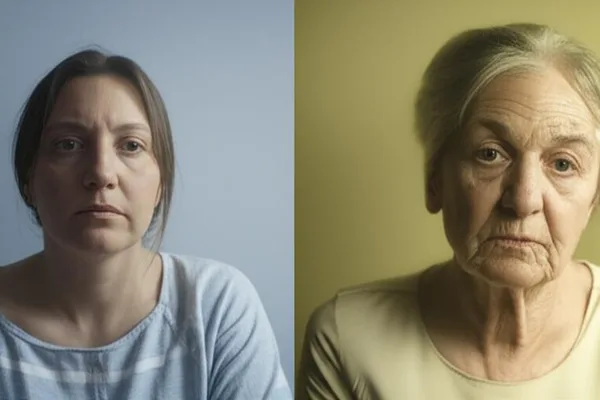
Does depression in youth increase the risk of developing dementia in old age?

Does depression in youth increase the risk of developing dementia in old age?

It's normal to feel sad, anxious, or lonely at times in our lives. Sometimes these feelings go away in a few days. But if these feelings of sadness, anxiety, and lack of interest in anything continue for weeks or months, it can be something more than just sadness. Medically, we call this condition depression . Many people think that depression is something that only affects the mind and is limited to the mind. But did you know that a recent large study has found that depression in young people can be directly linked to brain health as we age, especially dementia , a disease that gradually causes memory loss.

What does this new study really say?

This study was conducted by a group of researchers in Denmark. They followed nearly two and a half lakh (246,499) people diagnosed with depression. Then, they compared them with a similar group of people who were not depressed and matched for their age and gender. This study was conducted over a very long period of time, about 41 years (from 1977 to 2018).

Simply put, they looked at how much more likely people with depression were to develop dementia later in life than those without. None of these people had dementia when the study began. The results of this study are really thought-provoking.

The main finding is that someone with depression is 2.4 times more likely to develop dementia than someone without depression . That's more than double the risk.

Also, several other special points have emerged from this study. Let's look at them in this way to make them easier to understand.

Depression-identified group Risk of dementia (compared to those without depression)
People between the ages of 18 and 59 (young and middle-aged) diagnosed with depression Three times (3x) more.
People diagnosed with depression over the age of 60 Twice (2x) more.
Males diagnosed with depression Three times (3x) more than women.

This data shows how concerned we need to be about depression, especially in young people.

Is depression an early symptom of dementia or a risk factor?

This is a very important question. Some people may think that depression appears as an early symptom of dementia. That is, that depression develops because of dementia. But the researchers who conducted this study say that there is a deeper story than that.

"Our results show that depression is not only an early symptom of dementia, but also an independent risk factor for dementia."

Simply put, depression itself has some kind of effect on our brain, increasing the risk of developing dementia in the future. Although more research is needed to understand how this happens, the link is now clear.

What was said about the treatment?

Another surprising finding in this study was that the risk of developing dementia remained high regardless of whether or not people took antidepressants.

But this doesn't mean that taking medication for depression is pointless. The researchers themselves say that they were unable to track how long the treatment took, how successful the treatment was, or whether people received things like behavioral therapy in this study. So they can't draw any conclusions about the true impact of the treatments.

However, they have clearly seen one thing. That is, as the severity of depression increases, the risk of dementia also increases. For example, people who had to be hospitalized more often due to depression had an even higher risk of dementia.

So what should we do?

We shouldn't be afraid of this information. What we need to do is be aware of this and take the necessary steps.

1. Recognize the symptoms of depression: Be aware of symptoms such as persistent sadness, loss of interest in activities you used to enjoy, changes in sleep ( insomnia or excessive sleeping), changes in appetite, frequent fatigue, low self-esteem, and difficulty making decisions.

2. Don't think, 'What's that, it'll be okay once you get over it': Depression is not a weakness. It's a medical condition that needs to be treated, just like diabetes or high blood pressure . It can be caused by an imbalance in brain chemicals ( neurotransmitters ).

3. Seek immediate medical attention: If you think you have symptoms of depression, please don't hide it. See your family doctor. If necessary, he or she will refer you to a psychiatrist. Remember, the sooner you start treatment, the better it is for your life and the future health of your brain.

4. Think about your overall health: Managing depression is a big investment not only in your mental well-being, but also in your physical well-being. Get enough sleep, eat nutritious foods, exercise, and spend time with loved ones. All of these things can help you overcome depression and keep your brain healthy.

Take-Home Message

  • Depression, especially when it occurs in young and middle age, is a strong risk factor for later dementia.
  • According to this study, this risk is significantly higher for men than for women.
  • Depression is not a weakness, but a medical condition that requires treatment. Ignoring it can lead to future health risks.
  • If you or someone you know is experiencing symptoms of depression, please seek medical advice. Early treatment can help protect your long-term health.

Depression, mental health, brain health, memory loss, Dementia, mental health, brain health

Frequently Asked Questions (FAQ)

What was said about the treatment?

Another surprising finding in this study was that the risk of developing dementia remained high regardless of whether or not people took antidepressants.

⚠️ Important: The medical articles and information on Nirogi Lanka are for general awareness only, and are by no means a substitute for professional medical advice, diagnosis, or treatment. For any medical problem you have, consult a qualified physician immediately.

💬 Comments (0)

No comments yet. Be the first to share your thoughts here.

Add Your Comment

Please calculate: 9 + 6 =
Does depression in youth increase the risk of developing dementia in old age?
Elder CareOctober 8, 2025

Does depression in youth increase the risk of developing dementia in old age?

It's normal to feel sad, anxious, or lonely at times in our lives. Sometimes these feelings go away in a few days. But if these feelings of sadness, anxiety, and lack of interest in anything continue for weeks or months, it can be something more than just sadness. Medically, we call this condition depression . Many people think that depression is something that only affects the mind and is limited to the mind. But did you know that a recent large study has found that depression in young people can be directly linked to brain health as we age, especially dementia , a disease that gradually causes memory loss.

What does this new study really say?

This study was conducted by a group of researchers in Denmark. They followed nearly two and a half lakh (246,499) people diagnosed with depression. Then, they compared them with a similar group of people who were not depressed and matched for their age and gender. This study was conducted over a very long period of time, about 41 years (from 1977 to 2018).

Simply put, they looked at how much more likely people with depression were to develop dementia later in life than those without. None of these people had dementia when the study began. The results of this study are really thought-provoking.

The main finding is that someone with depression is 2.4 times more likely to develop dementia than someone without depression . That's more than double the risk.

Also, several other special points have emerged from this study. Let's look at them in this way to make them easier to understand.

Depression-identified group Risk of dementia (compared to those without depression)
People between the ages of 18 and 59 (young and middle-aged) diagnosed with depression Three times (3x) more.
People diagnosed with depression over the age of 60 Twice (2x) more.
Males diagnosed with depression Three times (3x) more than women.

This data shows how concerned we need to be about depression, especially in young people.

Is depression an early symptom of dementia or a risk factor?

This is a very important question. Some people may think that depression appears as an early symptom of dementia. That is, that depression develops because of dementia. But the researchers who conducted this study say that there is a deeper story than that.

"Our results show that depression is not only an early symptom of dementia, but also an independent risk factor for dementia."

Simply put, depression itself has some kind of effect on our brain, increasing the risk of developing dementia in the future. Although more research is needed to understand how this happens, the link is now clear.

What was said about the treatment?

Another surprising finding in this study was that the risk of developing dementia remained high regardless of whether or not people took antidepressants.

But this doesn't mean that taking medication for depression is pointless. The researchers themselves say that they were unable to track how long the treatment took, how successful the treatment was, or whether people received things like behavioral therapy in this study. So they can't draw any conclusions about the true impact of the treatments.

However, they have clearly seen one thing. That is, as the severity of depression increases, the risk of dementia also increases. For example, people who had to be hospitalized more often due to depression had an even higher risk of dementia.

So what should we do?

We shouldn't be afraid of this information. What we need to do is be aware of this and take the necessary steps.

1. Recognize the symptoms of depression: Be aware of symptoms such as persistent sadness, loss of interest in activities you used to enjoy, changes in sleep ( insomnia or excessive sleeping), changes in appetite, frequent fatigue, low self-esteem, and difficulty making decisions.

2. Don't think, 'What's that, it'll be okay once you get over it': Depression is not a weakness. It's a medical condition that needs to be treated, just like diabetes or high blood pressure . It can be caused by an imbalance in brain chemicals ( neurotransmitters ).

3. Seek immediate medical attention: If you think you have symptoms of depression, please don't hide it. See your family doctor. If necessary, he or she will refer you to a psychiatrist. Remember, the sooner you start treatment, the better it is for your life and the future health of your brain.

4. Think about your overall health: Managing depression is a big investment not only in your mental well-being, but also in your physical well-being. Get enough sleep, eat nutritious foods, exercise, and spend time with loved ones. All of these things can help you overcome depression and keep your brain healthy.

Take-Home Message

  • Depression, especially when it occurs in young and middle age, is a strong risk factor for later dementia.
  • According to this study, this risk is significantly higher for men than for women.
  • Depression is not a weakness, but a medical condition that requires treatment. Ignoring it can lead to future health risks.
  • If you or someone you know is experiencing symptoms of depression, please seek medical advice. Early treatment can help protect your long-term health.

Depression, mental health, brain health, memory loss, Dementia, mental health, brain health

Frequently Asked Questions (FAQ)

What was said about the treatment?

Another surprising finding in this study was that the risk of developing dementia remained high regardless of whether or not people took antidepressants.

⚠️ Important: The medical articles and information on Nirogi Lanka are for general awareness only, and are by no means a substitute for professional medical advice, diagnosis, or treatment. For any medical problem you have, consult a qualified physician immediately.

💬 Comments (0)

No comments yet. Be the first to share your thoughts here.

Add Your Comment

Please calculate: 9 + 6 =