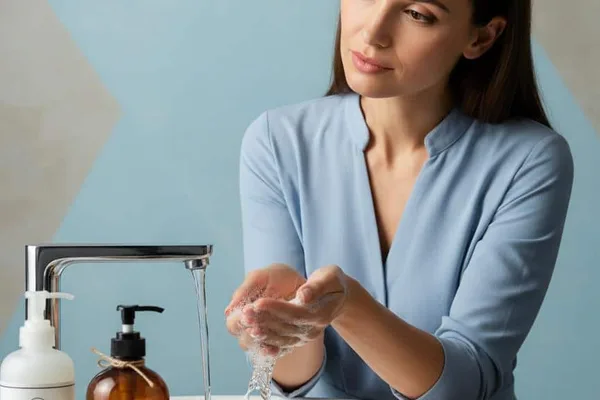
Is antibacterial soap really better than regular soap?

Is antibacterial soap really better than regular soap?

When we go to a store, especially where there is soap, how many different types of soap are there, each with its own color and scent? Some of these soaps have the words "Antibacterial" printed on the bottles in large letters. When we see them, we think, "Oh... if we buy this, we can protect our family from diseases." But is there really any truth to that story? Does this antibacterial soap have any special benefits over regular soap? Let's find out more about it today.

What is this antibacterial soap?

Simply put, these are a type of soap that is made by adding several chemicals to regular soap. These are also called antiseptic soaps. The main reason for adding these chemicals is to reduce or prevent germs like bacteria from infecting the skin.

Think about it, what happens when we wash our hands with regular soap and water? The properties of soap loosen the germs and dirt on the surface of our skin and wash them away with the water. It's like washing dishes with soap. But regular soap doesn't kill germs or stop them from spreading . It just removes them from the skin.

However, antiseptic soaps usually contain chemicals like `(Triclosan)` or `(Triclocarban)`. These are not found in regular soaps. The purpose of these chemicals is to stop the growth of bacteria. However, even major agencies like the US Food and Drug Administration (FDA) say that there is still no evidence that these soaps are any more effective than regular soaps in preventing illness when used at home.

So which of these two types of soap is really better?

Most of the time, we have to make a decision about these two types of soap based on the environment we are in. What we need at home is not what we need in a place like a hospital. Let's look at this table to understand this clearly.

Attribute Plain Soap Antibacterial Soap
Functionality Physically removes germs and dirt from the surface of the skin. It tries to stop or destroy the growth of germs.
Suitable places for use Perfect for any general space such as homes, offices, schools, etc. Mainly recommended for healthcare settings such as hospitals. Suitable for home use only if recommended by a doctor.
Effect on the skin Generally good for the skin. It can dry out the skin and kill the beneficial bacteria on the skin.
Price Cheap. Usually more expensive.
The most important thingIt has not been scientifically proven to be as effective or more effective than regular soap at removing germs in a normal environment.

There's one important thing. For the antibacterial soap to have an effect on the skin, it needs to be left on for at least 2 minutes . Who would normally leave soap on their hands for two minutes when they wash their hands?

Bar Soap vs Liquid Soap?

This is also a question that many people ask. It is said that liquid soap is best for washing hands. The reason is that when several people use a bar of soap, the germs on one person's hand can remain on the surface of the bar of soap and be transferred to the next person. Therefore, using bar soap in public places is not at all advisable. Even at home, it is okay to use a bar of soap as long as no one has a skin infection. Since moisturizers are usually added to liquid soap, the skin is less likely to dry out even after frequent hand washing.

Are there any risks in using antiseptic soap?

Yes, scientists have paid attention to this. There are two main risks.

1. The emergence of antibiotic-resistant bacteria: This is the most serious issue. When we constantly use these kinds of disinfectants, some bacteria get used to these chemicals. Over time, they become stronger and more resistant to the real drugs we use when we get sick, that is, antibiotics. This could have a big impact on treatment methods in the future.

2. Possible effects on hormones: Many people have been concerned about the chemical ``Triclosan`` found in these soaps. Animal studies have shown that this chemical affects the body's hormones. It is said that further research is needed to see how this affects humans.

So how exactly do we clean our hands?

When you look at all these issues, the most important thing is not the type of soap, but the way we wash our hands . Surveys show that 95% of adults wash their hands incorrectly. Follow these steps to wash your hands properly.

  • First, wet your hands thoroughly with lukewarm or cold water.
  • Apply enough soap to your hands.
  • Now rub your palms, the backs of your hands, between your fingers, and under your nails for at least 20 seconds until it lathers well. (You can do this while humming a little song in your head).
  • Don't rub your skin so hard that it scratches. Doing so can allow germs to enter through the tiny cracks in your skin.
  • Now rinse off all the soap with running water.
  • Wipe your hands dry with a clean towel.
  • Apply some type of moisturizer to prevent cracks caused by dry skin.

A word about hand sanitizer...

Hand sanitizer is a good option when soap and water are not available. However, it is not a substitute for washing your hands. Remember, if you use a sanitizer, it should contain at least 60% alcohol . Also, if your hands are visibly dirty or oily, the sanitizer will not work. You should definitely wash your hands with soap and water.

Take-Home Message

  • For general household use, regular soap and water are more than sufficient.
  • The way you wash your hands (scrubbing thoroughly for at least 20 seconds) is more important than the type of soap you use.
  • Antibacterial soaps have not been proven to be more effective than regular soaps in preventing illness in a typical household environment.
  • Only use antiseptic soap if your doctor recommends it for a specific reason.
  • Using liquid soap is more hygienic than using a bar of soap.

Soap, antibacterial soap, hand washing, germs, triclosan, health, preventive health, infections, cleanliness

⚠️ Important: The medical articles and information on Nirogi Lanka are for general awareness only, and are by no means a substitute for professional medical advice, diagnosis, or treatment. For any medical problem you have, consult a qualified physician immediately.

💬 Comments (0)

No comments yet. Be the first to share your thoughts here.

Add Your Comment

Please calculate: 5 + 1 =
Is antibacterial soap really better than regular soap?
Preventive HealthJuly 6, 2026

Is antibacterial soap really better than regular soap?

When we go to a store, especially where there is soap, how many different types of soap are there, each with its own color and scent? Some of these soaps have the words "Antibacterial" printed on the bottles in large letters. When we see them, we think, "Oh... if we buy this, we can protect our family from diseases." But is there really any truth to that story? Does this antibacterial soap have any special benefits over regular soap? Let's find out more about it today.

What is this antibacterial soap?

Simply put, these are a type of soap that is made by adding several chemicals to regular soap. These are also called antiseptic soaps. The main reason for adding these chemicals is to reduce or prevent germs like bacteria from infecting the skin.

Think about it, what happens when we wash our hands with regular soap and water? The properties of soap loosen the germs and dirt on the surface of our skin and wash them away with the water. It's like washing dishes with soap. But regular soap doesn't kill germs or stop them from spreading . It just removes them from the skin.

However, antiseptic soaps usually contain chemicals like `(Triclosan)` or `(Triclocarban)`. These are not found in regular soaps. The purpose of these chemicals is to stop the growth of bacteria. However, even major agencies like the US Food and Drug Administration (FDA) say that there is still no evidence that these soaps are any more effective than regular soaps in preventing illness when used at home.

So which of these two types of soap is really better?

Most of the time, we have to make a decision about these two types of soap based on the environment we are in. What we need at home is not what we need in a place like a hospital. Let's look at this table to understand this clearly.

Attribute Plain Soap Antibacterial Soap
Functionality Physically removes germs and dirt from the surface of the skin. It tries to stop or destroy the growth of germs.
Suitable places for use Perfect for any general space such as homes, offices, schools, etc. Mainly recommended for healthcare settings such as hospitals. Suitable for home use only if recommended by a doctor.
Effect on the skin Generally good for the skin. It can dry out the skin and kill the beneficial bacteria on the skin.
Price Cheap. Usually more expensive.
The most important thingIt has not been scientifically proven to be as effective or more effective than regular soap at removing germs in a normal environment.

There's one important thing. For the antibacterial soap to have an effect on the skin, it needs to be left on for at least 2 minutes . Who would normally leave soap on their hands for two minutes when they wash their hands?

Bar Soap vs Liquid Soap?

This is also a question that many people ask. It is said that liquid soap is best for washing hands. The reason is that when several people use a bar of soap, the germs on one person's hand can remain on the surface of the bar of soap and be transferred to the next person. Therefore, using bar soap in public places is not at all advisable. Even at home, it is okay to use a bar of soap as long as no one has a skin infection. Since moisturizers are usually added to liquid soap, the skin is less likely to dry out even after frequent hand washing.

Are there any risks in using antiseptic soap?

Yes, scientists have paid attention to this. There are two main risks.

1. The emergence of antibiotic-resistant bacteria: This is the most serious issue. When we constantly use these kinds of disinfectants, some bacteria get used to these chemicals. Over time, they become stronger and more resistant to the real drugs we use when we get sick, that is, antibiotics. This could have a big impact on treatment methods in the future.

2. Possible effects on hormones: Many people have been concerned about the chemical ``Triclosan`` found in these soaps. Animal studies have shown that this chemical affects the body's hormones. It is said that further research is needed to see how this affects humans.

So how exactly do we clean our hands?

When you look at all these issues, the most important thing is not the type of soap, but the way we wash our hands . Surveys show that 95% of adults wash their hands incorrectly. Follow these steps to wash your hands properly.

  • First, wet your hands thoroughly with lukewarm or cold water.
  • Apply enough soap to your hands.
  • Now rub your palms, the backs of your hands, between your fingers, and under your nails for at least 20 seconds until it lathers well. (You can do this while humming a little song in your head).
  • Don't rub your skin so hard that it scratches. Doing so can allow germs to enter through the tiny cracks in your skin.
  • Now rinse off all the soap with running water.
  • Wipe your hands dry with a clean towel.
  • Apply some type of moisturizer to prevent cracks caused by dry skin.

A word about hand sanitizer...

Hand sanitizer is a good option when soap and water are not available. However, it is not a substitute for washing your hands. Remember, if you use a sanitizer, it should contain at least 60% alcohol . Also, if your hands are visibly dirty or oily, the sanitizer will not work. You should definitely wash your hands with soap and water.

Take-Home Message

  • For general household use, regular soap and water are more than sufficient.
  • The way you wash your hands (scrubbing thoroughly for at least 20 seconds) is more important than the type of soap you use.
  • Antibacterial soaps have not been proven to be more effective than regular soaps in preventing illness in a typical household environment.
  • Only use antiseptic soap if your doctor recommends it for a specific reason.
  • Using liquid soap is more hygienic than using a bar of soap.

Soap, antibacterial soap, hand washing, germs, triclosan, health, preventive health, infections, cleanliness

⚠️ Important: The medical articles and information on Nirogi Lanka are for general awareness only, and are by no means a substitute for professional medical advice, diagnosis, or treatment. For any medical problem you have, consult a qualified physician immediately.

💬 Comments (0)

No comments yet. Be the first to share your thoughts here.

Add Your Comment

Please calculate: 5 + 1 =