
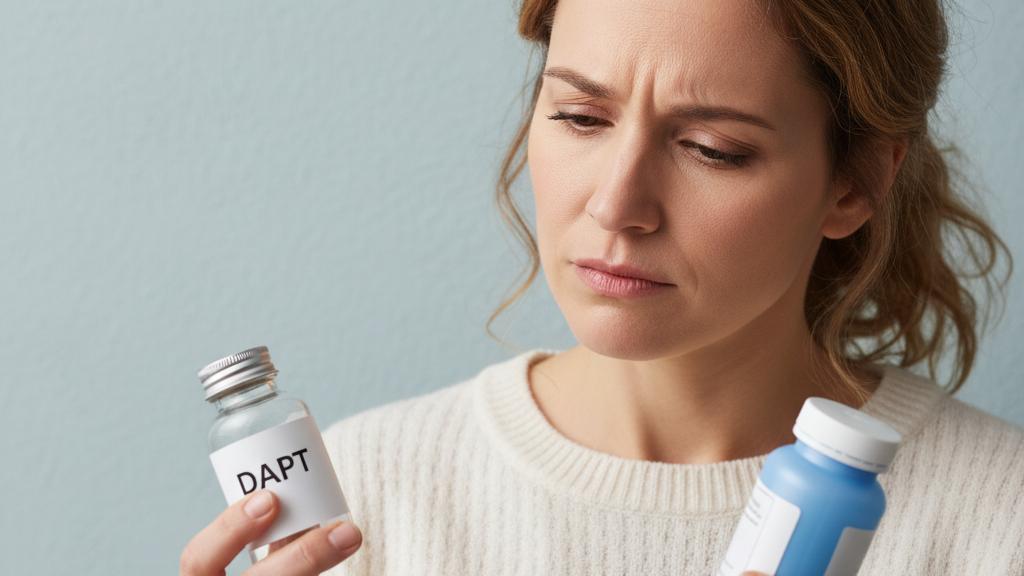
Have you recently had a heart attack? Or did your doctor place a tiny metal mesh tube called a stent into one of your heart arteries? If so, your doctor may have asked you to take two different medicine pills together every single day. One of them is likely aspirin. This the other has a different name.
You might wonder why you need two medicines for one health issue. This is a very common question for many patients. Today, we will explore this life-saving treatment method known as Dual Antiplatelet Therapy, or DAPT, in clear and simple terms.
Understanding your medicine helps you stay safe, recover faster, and protect your heart for the long journey ahead. Let us break down everything you need to know about DAPT in plain, friendly English.
Key Takeaways
- Two Medicines: DAPT combines aspirin with a second antiplatelet medicine to stop dangerous blood clots.
- Life-Saving Protection: It is vital after heart attacks, strokes, and stent procedures to keep your blood flowing smoothly.
- Bleeding Risks: Because it stops clots, minor cuts may bleed longer, and you must watch for serious warning signs.
- Never Stop Early: Always talk to your doctor before changing or stopping your DAPT routine.
- Open Communication: Tell every doctor, dentist, and surgeon that you are taking these medicines.
BMI Calculator
Know your body mass index (BMI) and weight classification
What is DAPT? Let Us Understand Simply
To understand this treatment, we first need to look at how your blood works. Inside your blood, you have red cells, white cells, and tiny cell fragments called platelets. The main job of your platelets is to rush to a cut and stick together.
They form a sticky net to stop the bleeding, much like putting a quick patch over a broken garden hose. This process is called blood clotting. This natural process is extremely important to keep you alive when you get hurt.
However, problems start when a blood clot forms inside a blood vessel where it should not be. Imagine if an unwanted clot forms inside a main artery that brings blood to your heart. That blood vessel gets blocked, blood flow stops, and you suffer a heart attack.
If that same unwanted clot travels up to your brain, it can cause a stroke. Dual Antiplatelet Therapy is a treatment designed to stop these dangerous clots from forming inside your blood vessels. The word dual simply means two.
Antiplatelet means medicines that stop platelets from sticking together. Put it together, and DAPT means taking two different antiplatelet medicines at the same time to prevent dangerous clots. It is a powerful shield for your blood vessels.
Who Needs DAPT Treatment?
Doctors do not give this treatment to everyone. They prescribe it only to people who face a high risk of dangerous blood clots inside their blood vessels. You will usually receive this treatment in specific medical situations.
| Situation Requiring DAPT | Simple Explanation |
|---|---|
| After a Heart Attack | If you survived a heart attack, this treatment stops another clot from forming and prevents a second heart attack. |
| After a Stroke or TIA | After a stroke caused by a blocked blood vessel in the brain, DAPT stops future attacks. A TIA is a mini-stroke. |
| After Stent Placement | A stent is a tiny mesh tube that keeps a blocked artery open. Clots love to form inside stents, so DAPT is mandatory here. |
| After Angioplasty | This procedure uses a tiny balloon to widen a blocked artery. Clot risks remain high afterward. |
| After Bypass Surgery | Doctors route blood around blocked heart arteries using new vessels. DAPT protects these new grafts from clotting. |
What Medicines Are Used in DAPT?
As we mentioned, DAPT uses two different medicines taken together. The first medicine is aspirin. Many of you already know this medicine well. While people often use high doses for pain relief, heart patients take a very low daily dose to stop blood clots.
The second medicine belongs to a group called P2Y12 inhibitors. There are several medicines in this group that your doctor might choose from. They include clopidogrel, prasugrel, and ticagrelor. These work hand in hand with aspirin.
Your doctor decides which of these medicines you need and what dose to take. This decision depends on your unique health condition, your age, and any other medical issues you might have. Always follow your doctor's exact prescription.
What Are the Benefits and Risks of DAPT?
Like every medical treatment, DAPT brings both wonderful benefits and important risks. Understanding both sides helps you stay alert and keep your body safe throughout your recovery journey.
| Main Benefit | Main Risk |
|---|---|
| Saving Your Life: By stopping dangerous clots inside your blood vessels, DAPT greatly lowers your risk of fatal heart attacks and strokes. This is the greatest benefit of this therapy. | Bleeding Risk: Because these medicines prevent blood from clotting easily, normal clotting takes longer when you bleed. This creates a higher chance of bleeding when you get hurt or injured. |
A Closer Look at Bleeding Risks
Do not panic when you hear about bleeding risks. These can range from very minor nuisances to serious medical situations. Knowing what to expect keeps you prepared and calm.
Minor bleeding is quite common during treatment. You might notice your gums bleed slightly when you brush your teeth. You may experience occasional nosebleeds or find that minor bumps leave blue bruises on your skin much faster than before.
Serious bleeding happens rarely, but it can occur in your stomach or gut. If this happens, your stool might look bright red or turn completely black and tarry. In very rare cases, bleeding can happen inside your brain.
Your doctor carefully weighs these risks before starting your treatment. They know that preventing a dangerous blood clot outweighs the risk of bleeding. This is why following your doctor's exact guidance is so important.
Side Effects and Drug Interactions
Some people taking DAPT may notice mild side effects. You might experience shortness of breath, blood in your urine, easy bruising, or a temporary drop in your platelet count. Some patients also report nasal polyps or minor nosebleeds.
You must also tell your doctor about every other medicine you take. Other drugs can change how DAPT works in your body. Pay special attention to blood thinners like warfarin, as taking them with DAPT increases your bleeding risk.
Pain relievers such as ibuprofen or diclofenac can irritate your stomach lining and raise your bleeding risk when combined with DAPT. Certain antidepressants and acid reflux medicines like omeprazole also require careful medical review.
Never hide any pills, vitamins, herbal supplements, or over-the-counter remedies from your doctor. Tell your care team about everything you take. Open communication keeps you safe from dangerous drug interactions.
How Long Do You Need to Take These Medicines?
This is another common question among patients. The duration of DAPT is not the same for everyone. Your timeline depends entirely on your specific diagnosis and overall health.
Some people take these medicines for a short period of one to two months. Many patients need to continue for a full year or even longer. After stopping DAPT, your doctor may ask you to keep taking a daily aspirin for the rest of your life.
Your doctor decides this timeline based on why you started DAPT in the first place, your age, your personal bleeding risk, and your chances of having another heart event. Trust your cardiologist to guide your schedule.
How to Stay Safe While Taking DAPT
Protecting your health requires simple daily habits while you take your medicines. Follow these practical steps to stay safe and secure:
- Take Your Pills on Time: Take your medicines exactly as your doctor instructed, without missing a single day. Missing even one dose can allow a dangerous clot to form. Never stop taking your pills without talking to your doctor first.
- Carry Medical Identification: Wear a medical alert bracelet or carry a card in your wallet stating that you take DAPT. This alerts emergency workers if you have an accident.
- Tell All Your Doctors: Inform every doctor, surgeon, or dentist about your DAPT medicines before any procedure. You may need to pause your medicines safely before certain surgeries.
Emergency Warning Signs: When to Seek Help Right away
If you notice any of these signs, you may be having serious internal bleeding. Do not wait. Call 911 (US/Canada) or 999 (UK), or go to the nearest Emergency Department (ER / A&E) right away.
- Passing black, tarry, or bloody stools.
- Vomiting blood or material that looks like dark coffee grounds.
- Sudden, severe, or unusual headaches.
- Extreme dizziness, lightheadedness, or feeling like you might faint.
- Severe and unexplained stomach pain.
- Sudden mental confusion or trouble speaking.
- Unusual shortness of breath or sudden chest pain.
If you ever suspect you took too much medicine by mistake, call your doctor right away. If you live in Sri Lanka, you can also contact the National Poison Information Centre at the National Hospital of Sri Lanka for rapid guidance.
💡 Take-Home Message
Dual Antiplatelet Therapy combines two powerful medicines to stop dangerous blood clots. It serves as a vital shield protecting you from life-threatening heart attacks and strokes.
The main risk involves a higher chance of bleeding, meaning minor cuts take longer to stop bleeding. Take your medicines exactly as prescribed, and never stop taking them without consulting your doctor.
Keep your care team informed about every other medicine, vitamin, or supplement you eat. Always disclose your treatment before undergoing dental work or surgeries.
Seek emergency medical care right away if you experience black stools, blood in your vomit, severe headaches, or sudden dizziness. Your health and safety come first.






No comments yet. Be the first to share your question or experience below.