
Can food prevent colon cancer? (Colorectal Cancer) Let's be aware of this!

Can food prevent colon cancer? (Colorectal Cancer) Let's be aware of this!

We all know how important a good diet and nutrition are to stay away from many diseases like diabetes and high blood pressure. But did you know that our food can also play a big role in preventing a serious disease like colorectal cancer? In this article, we will talk about that. Let's see how we can turn our food into a weapon in the fight against cancer.

Does eating fatty foods, especially red meat, affect this?

Yes, there is some truth to this story. Regular consumption of red meat (such as beef and pork) and processed meats, such as sausages, meatballs, and bacon, can increase the risk of colon cancer.

Simply put, when we eat fatty foods, our bodies release substances called bile acids into the digestive system to help digest the fat. This is normal. But as we eat more fat, the amount of bile acids also increases. When these excess bile acids reach the colon, they can turn into other harmful substances that can help cancer cells grow. Therefore, it is very important to control fatty foods, especially those high in animal fat.

The superpower of antioxidants

You've probably heard the word 'antioxidants'. These are very beneficial for our bodies. To understand how they work, we first need to understand what 'free radicals' are.

Every cell in our body uses oxygen to produce energy. As a byproduct of this process, unstable particles called 'free radicals' are formed. Think of them as little enemies that damage the cells in our body. Just like iron rusts or butter turns rancid, these free radicals damage our healthy cells. This damage can lead to many diseases, such as cancer, heart disease, and cataracts.

Antioxidants are the soldiers that protect our cells from these enemies called 'free radicals'.

But the most important thing to remember is that research has found that getting these antioxidants from food is more effective than taking them in the form of supplements.

Type of antioxidant Foods that contain a lot of
Beta-carotene Dark green and orange vegetables and fruits, such as carrots, sweet potatoes, pumpkin, and spinach
Lutein Green vegetables like spinach, kale, broccoli
Vitamin C Oranges, tangerines, limes, guavas, bell peppers, guava, and nectarines
Vitamin E Almonds, sunflower seeds, spinach, avocado

Other vitamins and minerals that help fight cancer

Folic Acid

Folic acid is essential for making new cells in our bodies and keeping red blood cells healthy. Some studies suggest that it may also help fight cancer. However, other studies have shown that taking folic acid in pill form may slightly increase the risk of some types of cancer. So it's best to get your folic acid naturally from citrus fruits and dark green leafy vegetables like spinach, rather than pills .

Calcium and Vitamin D

We talk about these two as things that strengthen bones, but new research shows that these two can also help protect against colon cancer.

  • Calcium: Can be obtained from milk, cheese, yogurt, salmon, sardines, and dark green vegetables like kale.
  • Vitamin D: Found in salmon, sardines, fortified milk, and egg yolks. The best source of vitamin D for us is sunlight. We can get our daily dose of vitamin D by simply exposing ourselves to sunlight for about 20 minutes between 10 a.m. and 3 p.m.

The importance of foods containing fiber

Fiber has long been considered a powerful weapon against cancer. While there are varying opinions on whether fiber has a direct link to protecting against colon cancer, one thing is clear: eating a diet rich in fiber is very beneficial for overall health.

Fiber-rich foods regulate the digestive system, prevent constipation, and help control body weight by providing a feeling of fullness.

  • Best sources of fiber: Whole grains (porridge, oats), brown bread, legumes like peas, lentils, beans, fresh fruits and vegetables, and whole grains (brown rice).

Important: When you start adding fiber to your diet, do it gradually . Eating too much at once can cause bloating and gas. Also, don't forget to drink plenty of water .

Phytochemicals hidden in plants

This may be a new word for you. 'Phytochemicals' are non-nutritional, but health-promoting chemical compounds found in plant foods. They give plants their color, aroma, and flavor, and they also help prevent the growth of cancer cells in our bodies. They are found in a variety of plant foods, including tomatoes, oranges, berries, peppers, carrots, broccoli, cabbage, and soybeans.

What are the simple eating habits we should follow for a healthy life?

To reduce your risk of cancer and stay healthy, you can follow these simple guidelines.

Habit What to do?
Plant-based diet Fill most of your plate with fruits, vegetables, legumes, and whole grains.
Cereals with bran Instead of white bread and white rice, choose bran-rich brown bread, whole grains, oats, and brown rice.
Red and processed meat Limit your intake of these as much as possible. If you eat meat, choose meats like chicken or fish.
Physical activity Exercise for at least 30 minutes most days of the week. Maintain a healthy body weight.
Alcohol If you have a habit of drinking alcohol, limit it as much as possible.

Take-Home Message

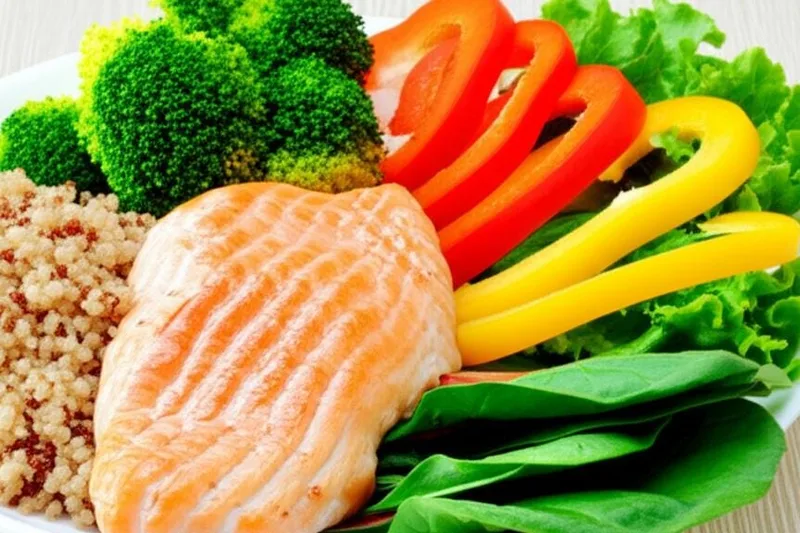
  • Add more colorful fruits and vegetables to your diet. The more colorful your plate, the more nutrients you'll get.
  • Reduce the consumption of red meat and processed meats such as sausages and bacon as much as possible.
  • Try to get your nutrition from natural foods rather than relying on vitamin and mineral supplements.
  • Maintaining a healthy weight and exercising daily are very important for protecting against many diseases, including cancer.
  • If anyone in your family has had colon cancer, or if you have any doubts or questions about this, never hesitate to talk to your doctor.

Colon Cancer, Colorectal Cancer, Cancer Prevention, Healthy Eating, Fiber, Antioxidants, Nutrition

⚠️ Important: The medical articles and information on Nirogi Lanka are for general awareness only, and are by no means a substitute for professional medical advice, diagnosis, or treatment. For any medical problem you have, consult a qualified physician immediately.

💬 Comments (0)

No comments yet. Be the first to share your thoughts here.

Add Your Comment

Please calculate: 4 + 6 =
Can food prevent colon cancer? (Colorectal Cancer) Let's be aware of this!
Preventive HealthJuly 7, 2026

Can food prevent colon cancer? (Colorectal Cancer) Let's be aware of this!

We all know how important a good diet and nutrition are to stay away from many diseases like diabetes and high blood pressure. But did you know that our food can also play a big role in preventing a serious disease like colorectal cancer? In this article, we will talk about that. Let's see how we can turn our food into a weapon in the fight against cancer.

Does eating fatty foods, especially red meat, affect this?

Yes, there is some truth to this story. Regular consumption of red meat (such as beef and pork) and processed meats, such as sausages, meatballs, and bacon, can increase the risk of colon cancer.

Simply put, when we eat fatty foods, our bodies release substances called bile acids into the digestive system to help digest the fat. This is normal. But as we eat more fat, the amount of bile acids also increases. When these excess bile acids reach the colon, they can turn into other harmful substances that can help cancer cells grow. Therefore, it is very important to control fatty foods, especially those high in animal fat.

The superpower of antioxidants

You've probably heard the word 'antioxidants'. These are very beneficial for our bodies. To understand how they work, we first need to understand what 'free radicals' are.

Every cell in our body uses oxygen to produce energy. As a byproduct of this process, unstable particles called 'free radicals' are formed. Think of them as little enemies that damage the cells in our body. Just like iron rusts or butter turns rancid, these free radicals damage our healthy cells. This damage can lead to many diseases, such as cancer, heart disease, and cataracts.

Antioxidants are the soldiers that protect our cells from these enemies called 'free radicals'.

But the most important thing to remember is that research has found that getting these antioxidants from food is more effective than taking them in the form of supplements.

Type of antioxidant Foods that contain a lot of
Beta-carotene Dark green and orange vegetables and fruits, such as carrots, sweet potatoes, pumpkin, and spinach
Lutein Green vegetables like spinach, kale, broccoli
Vitamin C Oranges, tangerines, limes, guavas, bell peppers, guava, and nectarines
Vitamin E Almonds, sunflower seeds, spinach, avocado

Other vitamins and minerals that help fight cancer

Folic Acid

Folic acid is essential for making new cells in our bodies and keeping red blood cells healthy. Some studies suggest that it may also help fight cancer. However, other studies have shown that taking folic acid in pill form may slightly increase the risk of some types of cancer. So it's best to get your folic acid naturally from citrus fruits and dark green leafy vegetables like spinach, rather than pills .

Calcium and Vitamin D

We talk about these two as things that strengthen bones, but new research shows that these two can also help protect against colon cancer.

  • Calcium: Can be obtained from milk, cheese, yogurt, salmon, sardines, and dark green vegetables like kale.
  • Vitamin D: Found in salmon, sardines, fortified milk, and egg yolks. The best source of vitamin D for us is sunlight. We can get our daily dose of vitamin D by simply exposing ourselves to sunlight for about 20 minutes between 10 a.m. and 3 p.m.

The importance of foods containing fiber

Fiber has long been considered a powerful weapon against cancer. While there are varying opinions on whether fiber has a direct link to protecting against colon cancer, one thing is clear: eating a diet rich in fiber is very beneficial for overall health.

Fiber-rich foods regulate the digestive system, prevent constipation, and help control body weight by providing a feeling of fullness.

  • Best sources of fiber: Whole grains (porridge, oats), brown bread, legumes like peas, lentils, beans, fresh fruits and vegetables, and whole grains (brown rice).

Important: When you start adding fiber to your diet, do it gradually . Eating too much at once can cause bloating and gas. Also, don't forget to drink plenty of water .

Phytochemicals hidden in plants

This may be a new word for you. 'Phytochemicals' are non-nutritional, but health-promoting chemical compounds found in plant foods. They give plants their color, aroma, and flavor, and they also help prevent the growth of cancer cells in our bodies. They are found in a variety of plant foods, including tomatoes, oranges, berries, peppers, carrots, broccoli, cabbage, and soybeans.

What are the simple eating habits we should follow for a healthy life?

To reduce your risk of cancer and stay healthy, you can follow these simple guidelines.

Habit What to do?
Plant-based diet Fill most of your plate with fruits, vegetables, legumes, and whole grains.
Cereals with bran Instead of white bread and white rice, choose bran-rich brown bread, whole grains, oats, and brown rice.
Red and processed meat Limit your intake of these as much as possible. If you eat meat, choose meats like chicken or fish.
Physical activity Exercise for at least 30 minutes most days of the week. Maintain a healthy body weight.
Alcohol If you have a habit of drinking alcohol, limit it as much as possible.

Take-Home Message

  • Add more colorful fruits and vegetables to your diet. The more colorful your plate, the more nutrients you'll get.
  • Reduce the consumption of red meat and processed meats such as sausages and bacon as much as possible.
  • Try to get your nutrition from natural foods rather than relying on vitamin and mineral supplements.
  • Maintaining a healthy weight and exercising daily are very important for protecting against many diseases, including cancer.
  • If anyone in your family has had colon cancer, or if you have any doubts or questions about this, never hesitate to talk to your doctor.

Colon Cancer, Colorectal Cancer, Cancer Prevention, Healthy Eating, Fiber, Antioxidants, Nutrition

⚠️ Important: The medical articles and information on Nirogi Lanka are for general awareness only, and are by no means a substitute for professional medical advice, diagnosis, or treatment. For any medical problem you have, consult a qualified physician immediately.

💬 Comments (0)

No comments yet. Be the first to share your thoughts here.

Add Your Comment

Please calculate: 4 + 6 =