

Think about the people who gave you guidance, warmth, and care throughout your life. For many of us, our parents, grandparents, and older loved ones hold a very special place in our hearts. We look up to them with deep respect and gratitude for everything they have done.
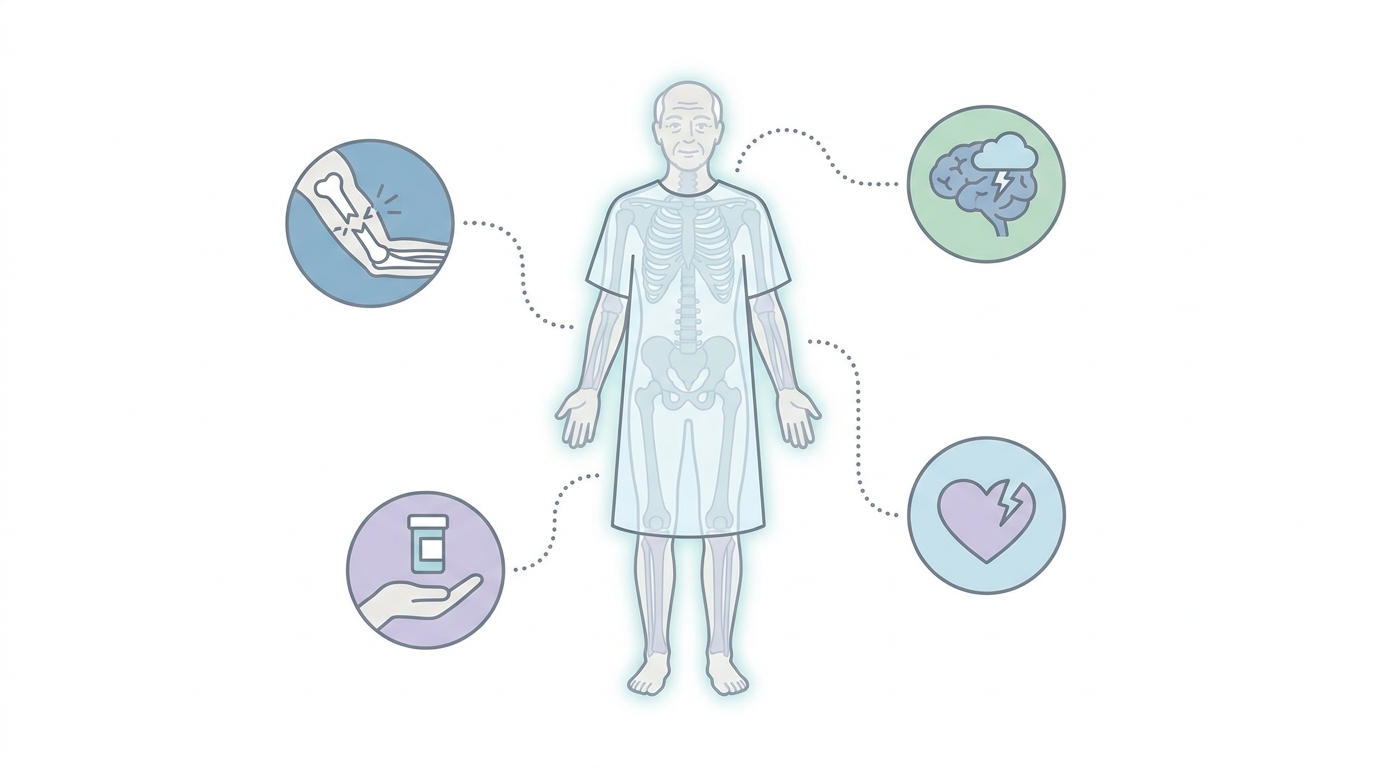
However, many vulnerable older adults face hidden mistreatment, hardship, and unfair treatment behind closed doors. This is a difficult and sensitive topic to discuss, but shining a light on it is essential. Staying informed allows you to recognize warning steps early and protect the people who once protected you.
Key Takeaways.
- Elder abuse involves any intentional or negligent act that causes harm or risk of harm to an older adult.
- Mistreatment can take many forms, including physical, emotional, financial, sexual, and neglect.
- Common warning signs include unexplained injuries, sudden financial changes, or emotional withdrawal.
- Older adults with memory issues or physical limitations face a much higher risk of mistreatment.
- You do not need absolute proof to report suspected abuse. Local agencies and authorities can investigate safely.
What Is Elder Abuse?
Simply put, elder abuse describes any knowing, intentional, or negligent act by a caregiver or any other person that causes harm or a serious risk of harm to an adult aged 60 or older. This harm can take physical or emotional forms, stem from a lack of proper care, or involve the theft and misuse of personal money and property. No matter how it happens, it causes deep pain and suffering to the older adult.
The hardest part is that mistreatment very often comes from people the older adult knows and trusts the most. This includes family members, trusted friends, or hired caregivers. If you or an older adult you know faces this kind of situation, you need to reach out to local protective services or authorities right away to get help.
What Are the Different Types of Elder Abuse?
Mistreatment of older adults can happen in many different ways. Recognizing the specific categories helps you spot the signs early.
Physical Abuse.
Physical abuse happens when someone uses force that leads to bodily harm, pain, or physical impairment. This includes pushing, hitting, slapping, shaking, or forcing someone to stay in one position against their will. Such actions cause physical pain, visible injuries, and sometimes severe bone fractures. Keep in mind that older adults often have fragile bodies, meaning even minor physical force can lead to serious injuries.
Sexual Abuse.
Sexual abuse involves any non-consensual sexual contact of any kind with an older adult. This includes forcing someone to participate in sexual acts when they cannot give informed consent due to illness, disability, or confusion. The emotional and physical trauma caused by this type of abuse is profound and devastating.
Neglect.
Neglect happens when a caregiver fails or refuses to meet the basic daily needs of an older adult. This includes withholding food, safe housing, clean clothes, necessary medical care, or medicine. Sometimes, neglect happens because a caregiver is overwhelmed or lacks resources. In other cases, older adults experience self-neglect, where they can no longer meet their own basic daily needs due to declining physical or mental health and need outside help.
Financial Abuse.
Financial abuse is an increasingly common problem in our communities. It involves the unauthorized, illegal, or improper use of an older adult's money, property, or valuable assets. Examples include stealing cash, forcing someone to change a will, forging signatures, using bank cards without permission, or misusing a pension or monthly allowance. Abusers often use pressure, trickery, or intimidation to take control of an older adult's finances.
Emotional Abuse.
Emotional or psychological abuse causes mental pain, anguish, or distress through verbal or non-verbal acts. This includes yelling, threatening, repeatedly insulting, humiliating, or completely ignoring an older adult. Over time, emotional abuse breaks down a person's self-esteem, leaves them feeling helpless, and causes deep psychological distress.
Abandonment.
Abandonment involves leaving an older adult who needs ongoing care alone by someone who has assumed the responsibility of providing care. Deserting a vulnerable person without arranging for alternative care or support is both dangerous and deeply inhumane.
Keep in mind that many older adults experience more than one type of mistreatment at the same time.
Who Is Most at Risk for Elder Abuse?
While mistreatment can happen to anyone regardless of background, certain factors increase vulnerability:
- Being aged 60 or older.
- Having underlying health conditions that limit mobility or cognitive function, such as dementia, which makes it harder to understand or report what is happening.
- Depending entirely on others for daily living tasks or living in a communal care setting.
- Being socially isolated with few visitors or friends nearby.
Studies also suggest that older women face a higher statistical risk of having certain types of mistreatment compared to men.
How Common Is Elder Abuse?
Unfortunately, mistreatment of older adults occurs far more often than most people realize. It affects communities across the globe, including our local neighborhoods. Even with laws in place, many cases go unreported because victims often feel fear, shame, or rely entirely on the person harming them.
Where Can Elder Abuse Happen?
Mistreatment can take place anywhere an older adult lives or spends time. The most common locations include:
- The older adult's own private home.
- Shared group homes or family dwellings.
- Assisted living communities, nursing homes, or formal care facilities.
How to Spot Elder Abuse: Warning Signs.
Recognizing the red flags early is the most important step in stopping harm. Watch closely for these common warning signs:
- Unexplained cuts, bruises, burns, scratches, or bone fractures, along with untreated pressure sores or bed sores.
- Sudden social withdrawal, silence, or pulling away from activities they usually enjoy.
- Trouble sleeping, chronic fatigue, or ongoing sadness.
- Sudden shifts in behavior, such as unusual agitation, fear around certain people, or signs of depression.
- Unexplained and rapid weight loss or signs of poor nutrition.
- Missing everyday items like glasses, walkers, or hearing aids without a clear reason.
- Living spaces that are unclean, unsafe, or lack basic utilities.
- Unexplained changes in money, such as sudden bank account withdrawals or unpaid bills despite adequate income.
- Frequent visits to the emergency room or repeated hospital stays for untreated medical issues.
If you notice these signs, do not ignore them. Take time to look closer and ask questions.
What Are the Consequences of Elder Abuse?
Mistreatment leaves deep, lasting scars on both physical and mental health. The impacts include:
- Severe depression, chronic stress, and ongoing anxiety.
- Deep feelings of fear, mistrust, and emotional trauma.
- Physical injuries that can lead to permanent disability or loss of independence.
- Worsening of existing medical conditions due to a lack of proper care, which can ultimately become life-threatening.
When to Seek Emergency Help.
Elder abuse can threaten a person's life. If you or an older loved one faces an immediate medical emergency or physical danger, call 911 (US/Canada), 999 (UK), or your local emergency number right away, or go directly to the nearest hospital emergency department.
How Can Elder Abuse Be Prevented?
Prevention is always better than cure. You can take proactive steps to reduce risks:
- Help older loved ones set up legal documents, such as a will or a healthcare power of attorney, alongside trusted professionals.
- Stay connected with older family members, neighbors, and friends through regular visits and phone calls.
- Set up direct deposit for bank accounts to reduce the risk of stolen cash or checks.
- Keep clear records of financial transactions and report suspicious activity right away.
- Never give out sensitive personal or financial information over the phone or online.
Staying informed remains your best defense. Knowing the signs and risk factors helps you take action if something seems wrong.
If you provide care for an older adult and feel overwhelmed or stressed, ask for help early. Reach out to family members, community groups, or caregiver support networks.
How to Report Suspected Elder Abuse.
Even with protective laws, elder abuse continues to happen every day. If you suspect that an older adult faces mistreatment, contact your local adult protective services, social welfare officers, or local police.
Start by talking privately with the older adult. Ask gentle questions like, "Is anyone causing you trouble?" or "Are you in pain anywhere?" Keep in mind that victims often struggle to speak openly due to fear, embarrassment, or loyalty to the caregiver.
Even if you do not have 100% proof, you should still report your concerns. Trained professionals can investigate safely, and your report remains confidential.
If the older adult lives in a care facility, you can speak with facility management or a designated long-term care ombudsperson who advocates for resident rights.
| Type of Abuse. | Common Signs. | What You Can Do. |
|---|---|---|
| Physical Abuse. | Unexplained bruises, cuts, or broken bones. | Ensure immediate safety and report to authorities. |
| Financial Abuse. | Sudden missing money or unpaid essential bills. | Review bank statements and contact adult protective services. |
| Neglect. | Severe weight loss, poor hygiene, or untreated sores. | Arrange proper support or report caregiver failure. |
Using the Right Words.
Using respectful language matters. Terms like "elder abuse," "mistreatment of older adults," or "harm to vulnerable adults" honor the dignity of older people. Avoid harsh or dismissive language that minimizes their worth. Even past age 60, everyone deserves respect and safety.
Take-Home Message.
Mistreatment deeply damages the physical and mental health, happiness, and safety of older adults. Because many vulnerable people struggle to speak up for themselves, spotting the warning signs relies heavily on attentive family members and friends.
If you see signs of harm or suspect an older adult is suffering, do not stay silent. Report your concerns to local authorities or call emergency services right away. Older adults deserve our care, protection, and respect.
A Note from Dr. Priya Sammani.
Protecting older adults requires vigilance, empathy, and courage. If you notice physical or emotional changes in a loved one, never hesitate to investigate and seek professional guidance. Ensuring their safety and well-being is a shared responsibility that requires our continuous attention and care.


💬 Comments (0)
No comments yet. Be the first to share your thoughts here.
Add Your Comment