
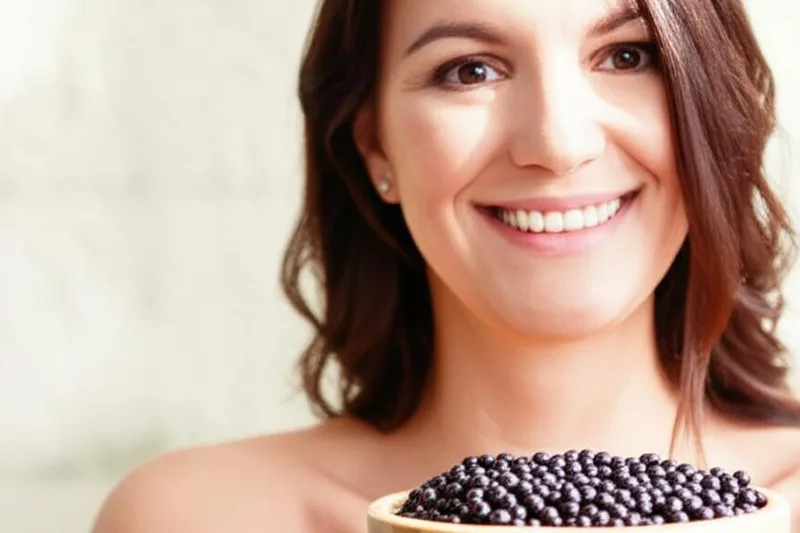
When we get a cold or flu, we often look for natural, herbal remedies. So while searching for such, you may have come across the name "Elderberry". Some say that it is very beneficial and good for many diseases. But others are skeptical about it. So today, let's talk about what elderberry is, its pros and cons, benefits and risks, in a simple and straightforward way.
What exactly is Elderberry?
Simply put, elderberry is a type of fruit that grows on a plant. There are about 30 species of alder trees around the world. But of these, the one most associated with our health is the European alder tree. Its scientific name is `(Sambucus nigra)`.
It has a very old history. Think about it, people have been using it since as far back as 400 BC. Even Hippocrates, who we all know as the "father of medicine," called this alder plant his "medicine chest." That means that since then, it has been used in traditional medicine as a treatment for various diseases. Even today, in Western folk medicine, elderberry is considered one of the most healing plants in the world.
What are the alleged health benefits of elderberries?
Elderberry proponents say its berries and flowers are packed with antioxidants and vitamins. They are believed to help strengthen our immune system , which means it increases our resistance to disease.
In addition, several other advantages are mentioned.
- Helps reduce inflammation in the body.
- Can reduce stress.
- It also helps protect heart health.
The most well-known of these is that elderberry helps prevent and reduce the symptoms of colds and flu . Not only that, but it has also been used traditionally as a treatment for a variety of other ailments.
- Constipation
- Joint and muscle pain
- Infections affecting the respiratory system (like coughs, colds)
- Headache
- Fever
- Kidney problems
- Neurological diseases such as epilepsy
- Minor skin diseases
- Stress
Some studies are even investigating its potential benefits for conditions like HIV and AIDS.
How successful is this really?
Here's the important thing. There are many oral stories and beliefs about elderberry that have been passed down from generation to generation. But its effectiveness has not yet been proven 100% scientifically or clinically. Some small studies have shown that it can help reduce the duration of symptoms of conditions like the flu and cold by about a day or two. But these are not yet widely confirmed.
So, if you want to protect yourself from the flu, the best and most proven way to do it is to get a flu shot . Elderberry is not a substitute for that at all.
However, most doctors say that it is generally safe to consume elderberries in limited quantities as part of a balanced diet, along with foods that contain nutrients like vitamin B, vitamin B6, and vitamin E. But it should be done with great caution. Let's talk about that further.
How are elderberries nutritionally sound?
Elderberries are a highly nutritious fruit, especially rich in vitamin C and dietary fiber.
| Nutrients | Amount of elderberry in a cup (ดี ว ประมาย) |
|---|---|
| Vitamin C | 52.2 milligrams |
| Dietary fiber | 10.2 grams |
| Carbohydrates (Carbs) | 26.7 grams |
| Protein | 1 gram |
| Fat | 0.7 grams |
Researchers believe that the chemical compound that gives these berries their deep blue/purple color acts as a powerful antioxidant, which helps reduce inflammation in the body.
Risks and side effects to watch out for
This is where you need to be most careful . While there are varying opinions about the benefits of elderberry, everyone should be aware of its risks.
First and foremost, never eat raw, unripe elderberry berries or flowers . Doing so can cause nausea, vomiting, and stomach upset (diarrhea). If ingested in large quantities, it can even cause serious poisoning.
Other things to remember are:
- If you are pregnant or breastfeeding, you should avoid elderberry altogether. It is not good for you or your baby.
- Apart from the fruits and flowers, the other parts of the alder plant, namely the branches, shoots, leaves, roots and seeds, are highly poisonous. They contain a type of cyanide called `(glycoside).` These are very dangerous to ingest.
- If you have autoimmune diseases (e.g. rheumatoid arthritis, lupus), be sure to talk to your doctor before using elderberries, as they can stimulate the immune system and worsen your condition.
- If you experience any symptoms such as hives or difficulty breathing after taking elderberry, it could be an allergic reaction. If this happens, stop taking it immediately and seek medical advice.
- Elderberries have a diuretic effect, so if you are already taking other medications that increase urination (such as some high blood pressure medications), you should be very careful with this. Otherwise, dehydration may occur.
With all of this in mind, the best thing to do if you're considering using elderberry, whether it's as a syrup, gum, pill, tea, whatever form it's taken in, is to talk to your family doctor (doctor) first. He or she will know your health condition and will be able to tell you exactly whether this is right for you or not.
Take-Home Message
- Elderberry is a fruit rich in antioxidants and vitamin C. But it is not a panacea for every ailment.
- Don't rely on elderberries to protect yourself from the flu. The best and scientifically proven way to do that is to get a flu shot .
- Never eat raw or uncooked elderberry berries, flowers, leaves, twigs, or roots for any reason. They are poisonous. Only consider properly prepared products available on the market.
- Pregnant mothers, nursing mothers, and those with immune system diseases should avoid taking this.
- As with any herbal product, be sure to consult your doctor before using elderberry.


💬 Comments (0)
No comments yet. Be the first to share your thoughts here.
Add Your Comment