
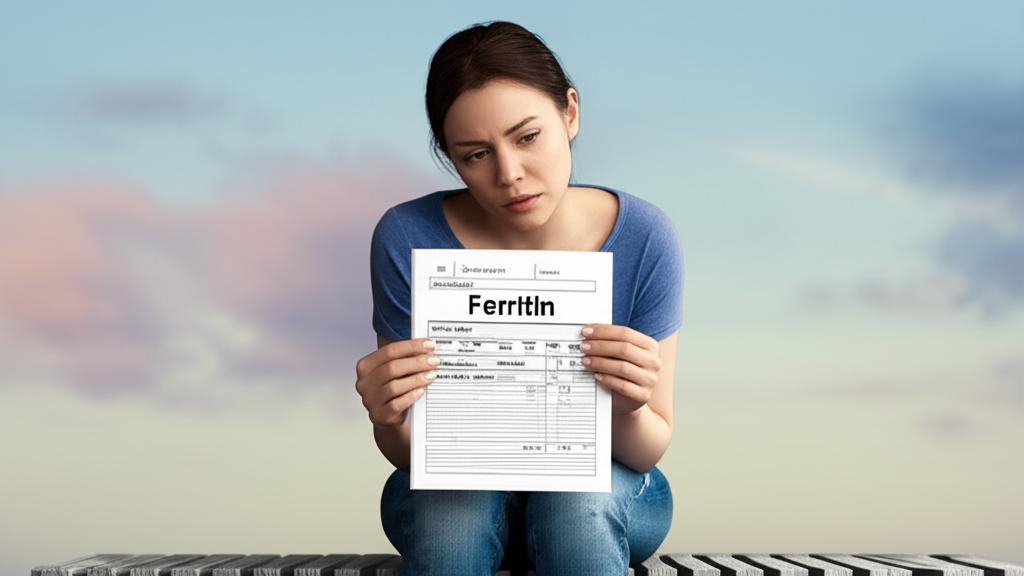
Do you often feel tired during your busy day? Do you feel weak in your body even after a full night of sleep? Do you feel short of breath when you walk a short distance? Sometimes, do you feel dizzy or lightheaded when you stand up quickly?
If you notice these signs in your daily life, your body might have low iron levels. To find out what is happening inside your blood, your doctor may suggest a very important lab test. That test is known as the ferritin blood test.
Key Takeaways About the Ferritin Blood Test
- Ferritin is a special protein that stores iron safely inside your body tissues.
- A ferritin blood test checks how much stored iron you have, not just the iron floating in your circulating blood.
- Low ferritin levels often lead to iron deficiency, fatigue, weakness, and anemia.
- High ferritin levels can point to iron overload, liver issues, or body inflammation.
- Always talk with your doctor to understand your specific lab report and decide on the right care plan.
Know your body mass index (BMI) and weight classification
What is Ferritin?
To put it simply, ferritin is a protein inside your body that acts like a storage box for iron. Without this protein, iron would float around your bloodstream and cause cellular damage.
Think about how you store food in your kitchen pantry at home. You keep your everyday rice, lentils, and spices right on the counter or front shelf for quick cooking. At the same time, you keep extra packets of food and canned goods tucked away on a back shelf for a rainy day.
Your body handles iron in the exact same way. When you eat healthy meals, your body uses a portion of that dietary iron right away to make red blood cells and carry oxygen.
However, your body also saves some extra iron for later use on days when your diet lacks enough nutrients. That reserved iron is safely locked away inside the ferritin protein.
When your doctor wants to check the health of your iron reserves, they order this blood test. This test reveals your hidden iron stores and helps uncover other underlying health conditions.
Ferritin and Iron: What Is the Difference?
Iron is an essential mineral that you get from the foods you eat every day. Ferritin is the specialized protein that holds and stores that mineral safely.
Checking your ferritin level is the most accurate way to find out if your body has built up a healthy reserve of iron. While a standard serum iron test shows what is in your blood right now, ferritin shows your long-term storage health.
Why Do I Need This Ferritin Test?
Doctors usually order a ferritin blood test when they suspect your body has too little iron or too much iron. This suspicion often arises from the physical symptoms you describe or from routine blood work results.
For example, if you are pregnant, experience very heavy monthly periods, follow a restrictive diet, or have gut health issues that block nutrient absorption, you face a higher risk of low iron. Doctors routinely recommend testing in these situations.
This simple blood test helps doctors diagnose, monitor, or rule out several important medical conditions:
- Iron deficiency anemia: Your body needs iron to build healthy red blood cells that deliver oxygen everywhere. When iron runs low, your body cannot make enough red blood cells, leading to fatigue and anemia. Among adults, chronic internal blood loss is a frequent underlying cause.
- Hemochromatosis: This is a genetic condition where your body absorbs too much dietary iron, causing toxic buildup in your organs over time.
- Liver disease: Much of your body's ferritin lives inside your liver cells. If your lab results show extremely high ferritin, it can signal liver stress or damage.
- Adult Still's disease: This is a rare form of inflammatory arthritis marked by joint pain, high fevers, and salmon-colored skin rashes. Patients with this condition often show very high ferritin readings.
Symptoms of Low and High Ferritin Levels
Your doctor may suggest this blood test after evaluating specific physical signs. The table below outlines common signs of low and high ferritin levels.
| Low Ferritin Symptoms | High Ferritin Symptoms |
|---|---|
| Constant tiredness and lack of physical energy | Chronic fatigue and muscle weakness |
| Frequent dizziness and dull headaches | Persistent joint pain and stiffness |
| Pale skin tone and brittle nails | Upper abdominal discomfort or pain |
| Shortness of breath during light activity | Reduced sex drive or hormonal shifts |
| Fast or pounding heartbeat | Changes in skin color to a gray or bronze shade |
| Sore, smooth, or burning tongue | Brain fog and memory difficulties |
| Unusual cravings for ice, clay, or chalk | Heart rhythm irregularities |
Important Clinical Note: Leaving low iron untreated for a long time can strain your cardiovascular system. Severe deficiency may contribute to heart failure, chest discomfort, and ringing sounds in your ears (tinnitus). Low iron is also strongly linked to restless legs syndrome.
When to Seek Emergency Medical Care
If you experience severe chest pain, sudden shortness of breath, fainting spells, or confusion, call emergency services right away. In the US and Canada, dial 911. In the UK, dial 999, or go straight to your nearest Emergency Department (ER or A&E).
How to Prepare for the Test
If your doctor ordered only a ferritin blood test, you can usually eat and drink normally before your appointment. However, if your doctor added other metabolic or lipid panels to your lab order, you may need to fast for several hours.
Always confirm preparation instructions directly with your doctor or clinic before your visit.
When you dress for the lab, wear a short-sleeved shirt or clothing with loose sleeves. This makes it much easier for the phlebotomist to access the veins in your arm.
The blood draw process is quick and simple. A trained lab technician will wrap a band around your arm, clean your skin, and insert a small needle into a vein to collect a tiny vial of blood.
If needles make you anxious, simply look away and take slow, deep breaths. Afterward, the technician places a cotton ball and bandage over the site, and your sample heads straight to the laboratory.
Test Results and Report Values
Your lab report shows the exact concentration of ferritin found in your blood sample. Normal reference ranges can vary slightly between different medical laboratories, but standard values are measured in nanograms per milliliter (ng/mL).
| Patient Group | Normal Ferritin Range (ng/mL) |
|---|---|
| Adult Males | 24 – 336 ng/mL |
| Adult Females | 24 – 307 ng/mL |
| Newborn Infants | 25 – 200 ng/mL |
| 1-Month-Old Infants | 200 – 600 ng/mL |
| 2 to 5-Month-Old Infants | 50 – 200 ng/mL |
| Children (6 Months to 15 Years) | 7 – 140 ng/mL |
If Your Ferritin Level Is Low
If your results fall below the standard range, you likely have iron deficiency or iron deficiency anemia. Your doctor will likely order follow-up tests to get a complete picture of your blood health.
Your doctor will also investigate the root cause of the deficiency. In adults, low iron often stems from hidden digestive bleeding, stomach ulcers, or heavy menstrual bleeding in women. In young children, low iron usually relates to dietary intake.
If Your Ferritin Level Is High
An elevated ferritin level can point to hereditary hemochromatosis, where your body accumulates excess iron. High levels can also result from frequent blood transfusions or taking too many iron supplements.
Keep This in Mind: Sometimes your ferritin level is high even when your actual iron stores are normal. Ferritin is an acute-phase reactant, meaning infections, body inflammation, autoimmune disorders, or certain cancers can cause ferritin numbers to rise sharply.
Because interpretation requires clinical context, always schedule an appointment with your doctor to review your lab report and determine the right next steps.
💡 Take-Home Message
- Ferritin is the primary protein responsible for storing iron safely inside your body tissues.
- Persistent fatigue, weakness, and pale skin are common warning signs of low iron stores.
- A ferritin blood test helps diagnose both iron deficiency anemia and iron overload conditions like hemochromatosis.
- High ferritin does not always mean you have too much iron. Inflammation and infections can also raise these levels.
- Always discuss your lab results with your doctor to get an accurate diagnosis and personalized treatment plan.





No comments yet. Be the first to share your question or experience below.