
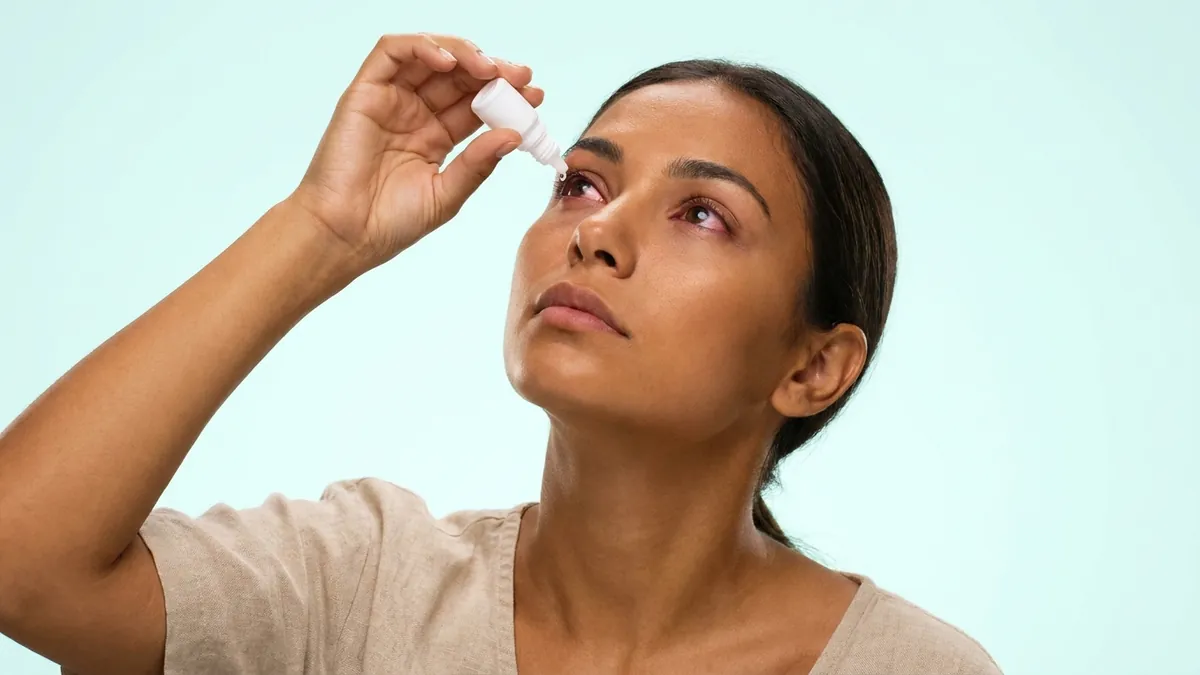
Waking up with eyes that feel glued shut by sticky crust, look bright red, and feel as though a grain of sand is trapped under your lid is a miserable way to start the morning. When a bacterial infection takes hold on the surface of your eye, gentamicin eye drops are one of the time-tested prescription treatments we doctors turn to most often to clear it up safely.
Because your eyes are delicate, knowing exactly how to put these drops in, how long to keep using them, and when a symptom needs a second look makes all the difference. Today, let's walk through everything you need to know about gentamicin eye drops in plain, practical language so you can protect your vision and recover smoothly.
📌 Key Takeaways at a Glance
- Targeted bacterial relief: Gentamicin eye drops are a prescription antibiotic that kills bacteria causing eye infections, but they will not cure viral pink eye or seasonal allergies.
- Keep the dropper tip sterile: Never let the bottle tip touch your eyelashes, eyelids, fingers, or any surface, as contamination can reinfect your eye.
- Finish the entire course: Keep using the drops for the full number of days your doctor prescribed, even if your eyes look clear after two or three days.
- Never share eye drops: Sharing bottles, face towels, pillowcases, or eye makeup spreads contagious eye bacteria rapidly across households.
- Know the warning signs: Mild stinging for a few seconds is normal, but worsening swelling, severe eye pain, or vision changes require prompt medical attention.
What Are Gentamicin Eye Drops Used For, and What Kind of Medicine Are They?
Gentamicin eye drops are a prescription aminoglycoside antibiotic medication used to treat bacterial eye infections, such as bacterial pink eye (conjunctivitis) and eyelid inflammation (blepharitis). They work by stopping harmful bacteria from multiplying on the surface of your eye, clearing redness, swelling, and sticky discharge within a few days.
Simply put, gentamicin belongs to a class of antibiotics called aminoglycosides. Think about it for a second: when bacteria land on the warm, moist surface of your eye, they multiply rapidly, triggering thick yellow or green discharge, redness, and irritation. When you place gentamicin drops into the eye, the medicine disrupts the bacteria's ability to build essential proteins, stopping the infection in its tracks.
Here is a crucial distinction we doctors always emphasize: gentamicin only kills bacteria. If your red, watery eyes are caused by a common cold virus (viral conjunctivitis) or hay fever and pet dander (allergic conjunctivitis), an antibiotic drop will do nothing at all. Using leftover drops without an exam can actually delay the right care. Depending on whether you live in the United States, United Kingdom, Canada, or Australia, your pharmacy or chemist may dispense plain gentamicin under brand names like Gentak, Garamycin, Genticin, or single-use Minims Gentamicin. You may also hear about combination drops containing both an antibiotic and a steroid, such as dexamethasone-gentamicin eye drops, which doctors reserve for specific cases where inflammation needs careful specialist supervision.
What Should You Tell Your Doctor Before Using Gentamicin Eye Drops?
Before your Primary Care Physician (PCP), family GP, or Urgent Care doctor writes a prescription for gentamicin eye drops, they will review your medical background to make sure the medication is a safe fit. Even though eye drops act mostly on the surface of the eye, tiny amounts can still be absorbed into your bloodstream.
Be sure to share these essential details during your visit:
- Medication and preservative allergies: Tell your doctor if you have ever reacted to gentamicin, related aminoglycoside antibiotics (such as tobramycin or neomycin), sulfites, or eye-drop preservatives like benzalkonium chloride.
- Pregnancy or plans to conceive: If you are pregnant or trying to become pregnant, let your doctor know so they can weigh the benefits against any potential risks and select the safest option.
- Breastfeeding: Mention if you are nursing, as your doctor will confirm whether topical gentamicin is appropriate while feeding your baby.
- Contact lens wear: If you wear soft or rigid gas-permeable contact lenses, tell your doctor right away, because active eye infections and preservatives can damage lenses and trap bacteria against your cornea.
- Kidney or hearing conditions: Although rare with short-term eye drops, mention any history of kidney disease, inner ear problems, or hearing loss.
Sharing a complete picture upfront helps us doctors tailor your prescription safely. Makes sense, right?
How Do You Apply Gentamicin Eye Drops Correctly to Your Eyes?
Even the best prescription cannot work properly if the drop rolls straight down your cheek or if bacteria from your fingers contaminate the bottle. Have you ever wondered why doctors spend extra time walking patients through eye-drop technique? Because a clean, steady routine speeds up healing and prevents reinfection.
Follow these simple steps every time you apply your drops:
- Wash your hands thoroughly: Scrub your hands with warm water and soap for at least 20 seconds, then dry them with a clean towel.
- Remove contact lenses first: Take out your contact lenses before applying the drops, and stick to wearing your eyeglasses until your doctor confirms the infection has completely cleared.
- Check the bottle and tilt your head back: Remove the cap without touching the dropper tip, tilt your head back comfortably, and look up toward the ceiling.
- Create a gentle lower-lid pocket: Use one clean finger to gently pull your lower eyelid downward, forming a small pocket.
- Instill one single drop: Hold the dropper tip slightly above that pocket—never touching your eyeball, eyelashes, or skin—and squeeze gently so one drop falls inside.
- Close your eye and press the inner corner: Close your eye softly without squeezing tight, and press one clean finger lightly against the inner corner next to your nose (tear duct occlusion) for one to two minutes so the medicine stays on your eye instead of draining into your throat.
- Blot and recap: Wipe away any extra liquid on your cheek with a clean disposable tissue, put the cap straight back on, and wash your hands again.
What Are the Most Important Rules for Dosage, Missed Doses, and Children?
Be honest—you have probably been tempted to stop taking an antibiotic the moment your symptoms started fading, haven't you? With eye infections, stopping too early is one of the biggest mistakes patients make.
Finish the full prescribed duration: Even if your redness and crusting vanish after two or three days, continue applying gentamicin eye drops for the entire length of time your doctor instructed—often five to seven days. Stopping early leaves surviving bacteria behind, allowing the infection to roar back stronger and harder to treat.
Handling a missed dose: If you forget a scheduled dose, put the drop in as soon as you remember. However, if it is nearly time for your next scheduled dose, skip the missed one and get back on your regular timetable. Never put double drops into your eye to make up for a missed application.
Accidental overuse or swallowing: Putting an extra drop in by mistake rarely causes harm—just rinse gently with clean lukewarm water if your eye feels irritated. However, if a child or adult accidentally swallows the bottle contents, contact your local Poison Control center immediately (1-800-222-1222 in the US and Canada, 111 in the UK, or 13 11 26 in Australia) or head to the nearest hospital Emergency Room (ER / A&E).
Special care for children: Infants and young children have sensitive eyes and can absorb medication slightly differently than adults. Always follow your pediatrician or family doctor's exact dosing schedule, and never use an adult's leftover eye drops on a child.
What Are the Possible Side Effects of Gentamicin Eye Drops?
Like every effective medication, gentamicin eye drops can occasionally cause side effects, though most people use them without any trouble at all. Knowing what is harmless versus what signals a problem keeps you calm and prepared.
Right after a drop lands on your eye, you may notice brief, mild stinging, a warm sensation, extra tearing, or slightly blurred vision for a minute or two. That short-lived reaction is quite common as the drop mixes with your natural tears. However, if your eye suddenly becomes much redder, intensely itchy, or noticeably puffy around the lids, you could be developing a localized allergic reaction to the medicine or its preservative.
In very rare cases—usually when drops are overused for weeks—aminoglycosides can cause secondary fungal overgrowth on the eye or systemic side effects such as dizziness, unsteadiness, ringing in the ears (tinnitus), or hearing changes. Remember how we talked about sharing your medical history earlier? That is exactly why we doctors monitor treatment length carefully. To help you tell normal reactions apart from symptoms that need medical review, look at the quick guide below.
| Symptom or Reaction | What It Means & Recommended Action |
|---|---|
| Brief stinging or mild blurring right after drops | A temporary surface sensation lasting 30 to 60 seconds as the liquid settles across your cornea. What you should do: Keep your eyes closed gently for a minute and wait until your vision clears before driving or operating machinery. |
| Persistent morning crusting during days 1 to 2 | Early bacterial die-off and residual mucus while the antibiotic begins clearing the infection. What you should do: Gently soften and wipe away crust using a clean, warm damp washcloth (one cloth per eye) before applying your next scheduled dose. |
| Worsening redness, itching, or swollen eyelids | Possible contact allergy or sensitivity to gentamicin or the bottle's preservative. What you should do: Stop using the drops and contact your Primary Care Physician (PCP), family GP, or Urgent Care clinic promptly for an alternative prescription. |
| No improvement after 48 to 72 hours | The infection may be caused by a virus, allergy, or bacteria resistant to gentamicin. What you should do: Book a follow-up exam with your doctor rather than continuing the drops indefinitely on your own. |
| Dizziness, ringing ears, or hearing changes | Rare signs of systemic aminoglycoside sensitivity (ototoxicity) that require prompt medical assessment. What you should do: Stop the medication immediately and seek prompt evaluation from your doctor or local Urgent Care center. |
What Other Everyday Precautions Keep Your Eyes Safe During Treatment?
Look at what happens here when an eye infection enters a busy household: a single shared bathroom hand towel or mascara wand can pass bacteria from one family member to another in a single afternoon. Protecting your eyes during recovery takes just a few smart daily habits.
- Never share personal eye items: Keep your gentamicin bottle strictly for yourself, and avoid sharing bath towels, face cloths, pillowcases, or eye makeup. Discard any mascara, eyeliner, or eye shadow you used right before the infection started, as bacteria thrive inside cosmetic tubes.
- Space out other eye products: Do not apply artificial tears, allergy drops, or prescription eye ointments without asking your doctor or pharmacist first. When two eye medications are prescribed together, space them at least 5 to 10 minutes apart, always using liquid drops before thicker ointments.
- Store the bottle safely at room temperature: Keep the tightly capped bottle out of reach of children and pets at controlled room temperature between 2°C and 30°C (36°F to 86°F), away from direct sunlight or steamy bathroom cabinets. Do not freeze it or store it in the refrigerator unless your specific pharmacy label instructs otherwise, and throw away expired bottles or multi-dose bottles open longer than 28 days.
- Follow up if healing stalls: If your eye is not noticeably calmer after two to three days of steady treatment, revisit your Primary Care Physician (PCP), family GP, or Urgent Care clinic so we can recheck the cornea.
✔️ What You Should Do & ❌ What to Avoid
- ✔️ Do wash your hands with soap and water both before and after putting drops into your eyes.
- ✔️ Do switch to eyeglasses and clean disposable tissues until your eye infection is completely gone.
- ✔️ Do complete the full course of gentamicin eye drops prescribed by your doctor, even when symptoms fade early.
- ❌ Do not touch the dropper tip to your eye, eyelashes, fingers, or bathroom counter.
- ❌ Do not use leftover antibiotic drops for a new red eye without getting examined by a doctor first.
- ❌ Do not freeze the bottle or share your eye drops, towels, or eye makeup with anyone else.
🚨 When to Seek Immediate Emergency Care (Red-Flag Symptoms)
If you or someone near you develops any of these red-flag symptoms, do not wait — call 911 (or 999 in the UK / 000 in Australia) immediately or go straight to the nearest hospital Emergency Room (ER / A&E):
- Sudden vision loss or severe blurring that does not clear after blinking or gently rinsing away excess tear fluid.
- Intense, deep eye pain or severe headache accompanied by extreme sensitivity to light (photophobia) or nausea.
- Signs of a severe whole-body allergic reaction (anaphylaxis), such as facial or throat swelling, hives, wheezing, or trouble breathing.
- Rapidly spreading redness, warmth, and swelling around the eye socket with fever or difficulty moving your eyeball, which can signal orbital cellulitis.
💡 Key Take-Home Message
- Prescription-only bacterial treatment: Gentamicin eye drops are a targeted aminoglycoside antibiotic that clears bacterial eye infections, not viruses or allergies.
- Clean technique protects your sight: Wash your hands before and after every dose and keep the dropper tip completely sterile.
- Consistency prevents relapse: Finish every single day of your prescribed course and never double up on missed doses.
- Zero sharing policy: Keep your drops, towels, and eye cosmetics strictly separate from others to stop household spread.
- Act promptly on warning signs: Contact your doctor right away if symptoms fail to improve in 2 to 3 days or if severe redness, dizziness, or hearing changes occur.





No comments yet. Be the first to share your question or experience below.