
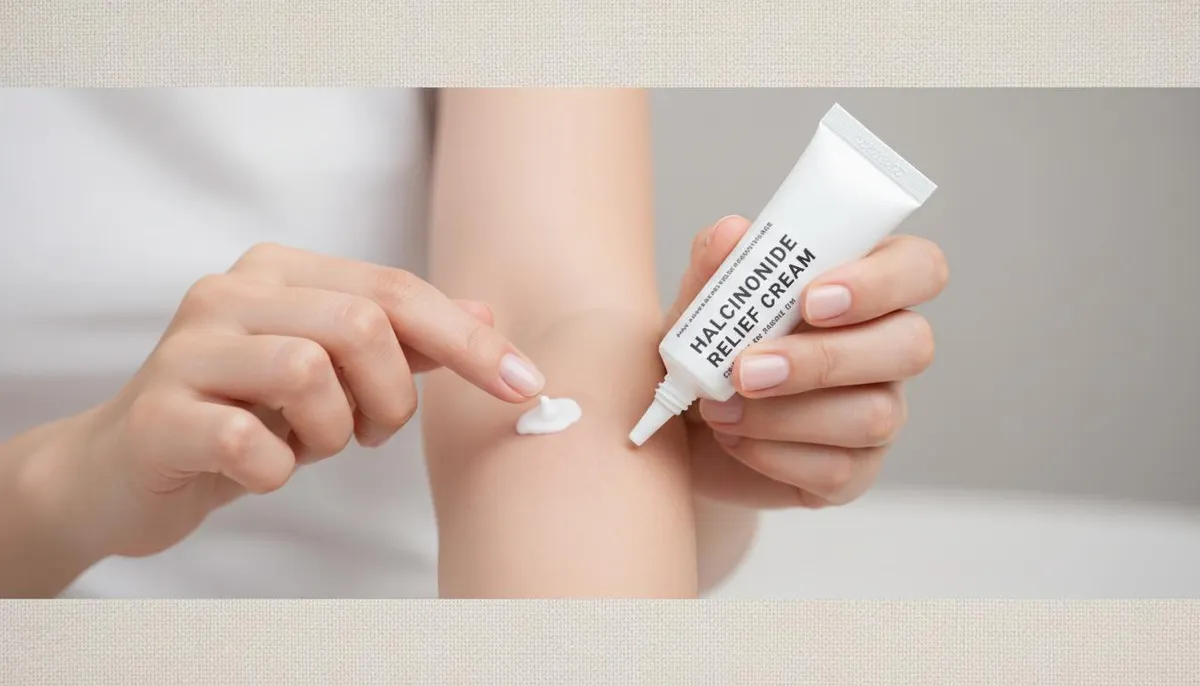
Imagine waking up with an angry, red rash on your skin that burns and itches so badly you cannot focus on your day. You make an appointment to see your doctor hoping for fast relief. Your doctor examines the irritated area and prescribes a medicated cream called Halcinonide. It is completely normal to have questions about any new medicine you put on your body. Let us walk through everything you need to know about this prescription treatment in a clear, friendly, and supportive way.
Skin conditions like persistent eczema and stubborn psoriasis can disrupt your daily life and make you feel self-conscious. Topical medicines like Halcinonide are powerful tools designed to calm irritated skin and restore your comfort. When used correctly under medical supervision, this medicine can help you regain control over stubborn flare-ups. Let us explore how it works, how to apply it safely, and what precautions you should keep in mind.
Key Takeaways About Halcinonide
- Halcinonide is a potent prescription topical steroid used to reduce skin inflammation and itching.
- Always apply a thin layer strictly to the affected skin areas as directed by your doctor.
- Inform your doctor if you have diabetes, skin infections, or are pregnant before starting treatment.
- Watch for potential side effects such as skin thinning, irritation, or allergic reactions.
- Never share your prescribed medicine with anyone else, even if they have similar symptoms.
What is Halcinonide?
Simply put, Halcinonide is a prescription steroid medicine that you apply directly to your skin. In the medical field, doctors classify this type of treatment as a topical corticosteroid. It is commonly prescribed to reduce swelling, redness, itching, and discomfort caused by chronic skin conditions.
If you suffer from eczema, which causes dry and itchy patches, or psoriasis, which causes thick and silvery scales, your doctor may recommend this treatment. The medicine works by calming down your immune system response in the affected area. This dampens the inflammation and gives your delicate skin a chance to heal properly.
Your pharmacist might dispense this medicine as a cream, an ointment, or a solution depending on your specific needs. Common brand names for this medicine include Halog and Halog-E. Always follow the specific product instructions provided by your pharmacist or prescribing doctor.
Things to Tell Your Doctor Before Using This Medicine
Before your doctor prescribes Halcinonide, you must share your complete medical history with them. Giving your doctor accurate details ensures the treatment is safe and effective for your specific health profile. Be sure to mention any ongoing medical conditions or special life circumstances.
The table below outlines key health conditions and explains why sharing this information with your doctor is so important:
| Your Health Condition | Why Your Doctor Needs to Know |
|---|---|
| Diabetes | Topical steroid medicines can sometimes affect your blood sugar levels. |
| Severe burns or large wounds | Damaged skin absorbs more medicine into your bloodstream than healthy skin. |
| Active skin infections | Steroids can sometimes mask symptoms or worsen certain fungal and bacterial infections. |
| Thin or damaged skin | Long-term steroid use can cause already thin skin to become even more fragile. |
| Known allergies | You must confirm you are not allergic to Halcinonide or related steroid medicines. |
| Pregnancy | Pregnant people should only use prescription steroid creams under strict medical advice. |
| Breastfeeding | Your doctor must evaluate whether the medicine can pass into breast milk. |
How to Use This Medicine Correctly
Using your prescribed medicine correctly ensures you get the maximum medical benefit while minimizing risks. The application process is straightforward, but you must follow every instruction carefully. Consistency and proper technique are essential for healthy skin recovery.
- This medicine is strictly for external use on your skin only. Never take it by mouth or ingest it in any way.
- Wash your hands thoroughly with soap and water before and after applying the cream. If you are treating your hands, wash them before application and avoid washing them right away after unless directed.
- Apply the medicine only to the affected skin patches. Avoid spreading it onto healthy, undamaged skin.
- Keep the cream away from your eyes at all times. If accidental contact occurs, rinse your eyes right away with plenty of clean water for several minutes.
- Stick strictly to the schedule and frequency recommended by your doctor. Never use more medicine or apply it for longer than prescribed.
- Squeeze out a small amount and gently massage a thin film into the affected area. A thick layer provides no extra benefit.
- Do not wrap or bandage the treated area unless your doctor specifically instructs you to do so. Bandaging can increase medicine absorption into your body.
Using Halcinonide in Children and Older Adults
If you need to apply this medicine to a child, you must discuss it thoroughly with your pediatrician first. Children have thinner skin and higher body surface area ratios, making them more sensitive to steroid absorption. Doctors rarely prescribe potent steroids for infants or young children unless absolutely necessary.
Older adults aged 65 and above often have more fragile and delicate skin due to natural aging processes. Because of this, older adults may require lower potency options or shorter treatment courses. Your doctor will carefully tailor the treatment plan to match your age and skin sensitivity.
What to Do If You Apply Too Much
If you accidentally use more cream than recommended, do not panic. However, applying excessive amounts over large areas or for extended periods can lead to unwanted systemic side effects. If you suspect an overdose or accidental ingestion, contact your local emergency services right away.
When to Call Emergency Services
If you or someone in your care experiences severe allergic reactions, trouble breathing, or signs of acute toxicity from accidental ingestion, call 911 (US/Canada), 999 (UK), or go to your nearest Emergency Department (ER / A&E) right away.
Remember that your prescription is tailored specifically to your condition. Never share your Halcinonide cream with friends or family members, even if they show identical symptoms.
What to Do If You Miss a Dose
If you forget to apply your scheduled dose of cream, apply it as soon as you remember. However, if your next scheduled application is fast approaching, skip the missed dose entirely. Never apply a double dose to make up for a missed application.
Things to Watch Out For During Treatment
While using Halcinonide, you should stay alert to how your skin responds. Keep in regular contact with your doctor to monitor your healing progress. Report any lack of improvement or worsening symptoms right away.
- Maintain regular follow-up appointments with your doctor so they can evaluate your skin condition. Contact your clinic promptly if your rash fails to improve or begins spreading.
- Inform your doctor right away if you are exposed to contagious viral illnesses like chickenpox or measles while using this steroid cream.
- Halcinonide cream and ointment can weaken latex products such as condoms and diaphragms. Take precautions to prevent the cream from contacting these items to avoid unexpected product failure.
- Never use this medicine to treat diaper rash without explicit guidance from a pediatrician. Occlusive diapers can trap the steroid against infant skin and cause dangerous side effects.
Possible Side Effects of Halcinonide
Like all medicines, Halcinonide can cause side effects, though not everyone experiences them. Some side effects are mild and temporary. This others require immediate medical attention. Knowing what to watch for helps you stay safe.
| Side Effect Category | Associated Symptoms |
|---|---|
| Serious Side Effects Requiring Prompt Medical Attention | |
| Allergic reactions | Skin rashes, severe itching, swelling of the face, lips, tongue, or throat. |
| Application site reactions | Severe burning, stinging, blistering, crusting, or peeling skin. |
| Skin thinning and bruising | Skin becoming fragile, transparent, or developing easy bruising and stretch marks. |
| Secondary skin infections | Increased redness, warmth, swelling, or pus drainage around the treated area. |
| Folliculitis | Development of small, pus-filled red bumps around hair follicles. |
| Common Mild Side Effects (Consult Doctor If Persistent) | |
| Mild skin discomfort | Temporary dryness, mild redness, or light itching upon application. |
| Unusual hair growth | Noticeable growth of fine new hair in the specific area where cream is applied. |
💡 Take-Home Message
- Halcinonide is a prescription topical steroid that must be used strictly under professional medical guidance.
- Always apply a thin layer exclusively to the affected skin lesions rather than coating healthy tissue.
- Inform your doctor if you have diabetes, drug allergies, or if you are pregnant or breastfeeding.
- Watch for signs of skin thinning, irritation, or infection and report them to your doctor right away.
- Never share your personal prescription medicine with other people under any circumstances.
- Reach out to your doctor or pharmacist whenever you have questions or concerns about your treatment plan.
References & Trusted Sources:
1. Cleveland Clinic. Topical Corticosteroids: Uses, Types, and Side Effects. Available from: Cleveland Clinic Health Library.
2. Mayo Clinic. Topical Corticosteroids Guide. Available from: Mayo Clinic Patient Care.
3. National Health Service (NHS UK). Topical Steroids: Safety and Application Guidelines. Available from: NHS Health A-Z.
4. Centers for Disease Control and Prevention (CDC). Skin Health and Safety Guidelines. Available from: CDC Public Health.
5. National Institutes of Health (NIH / PubMed). Clinical Evaluation of Halcinonide in Inflammatory Skin Dermatoses. Available from: PubMed Central.





No comments yet. Be the first to share your question or experience below.