

If you live with heart failure, you may already know that some of your daily medicines can change the amount of potassium in your body. This is a very important topic that requires your careful attention and support from your care team. Let us talk about what potassium is, how it affects your body, and how you can manage your daily food choices to keep your heart healthy.
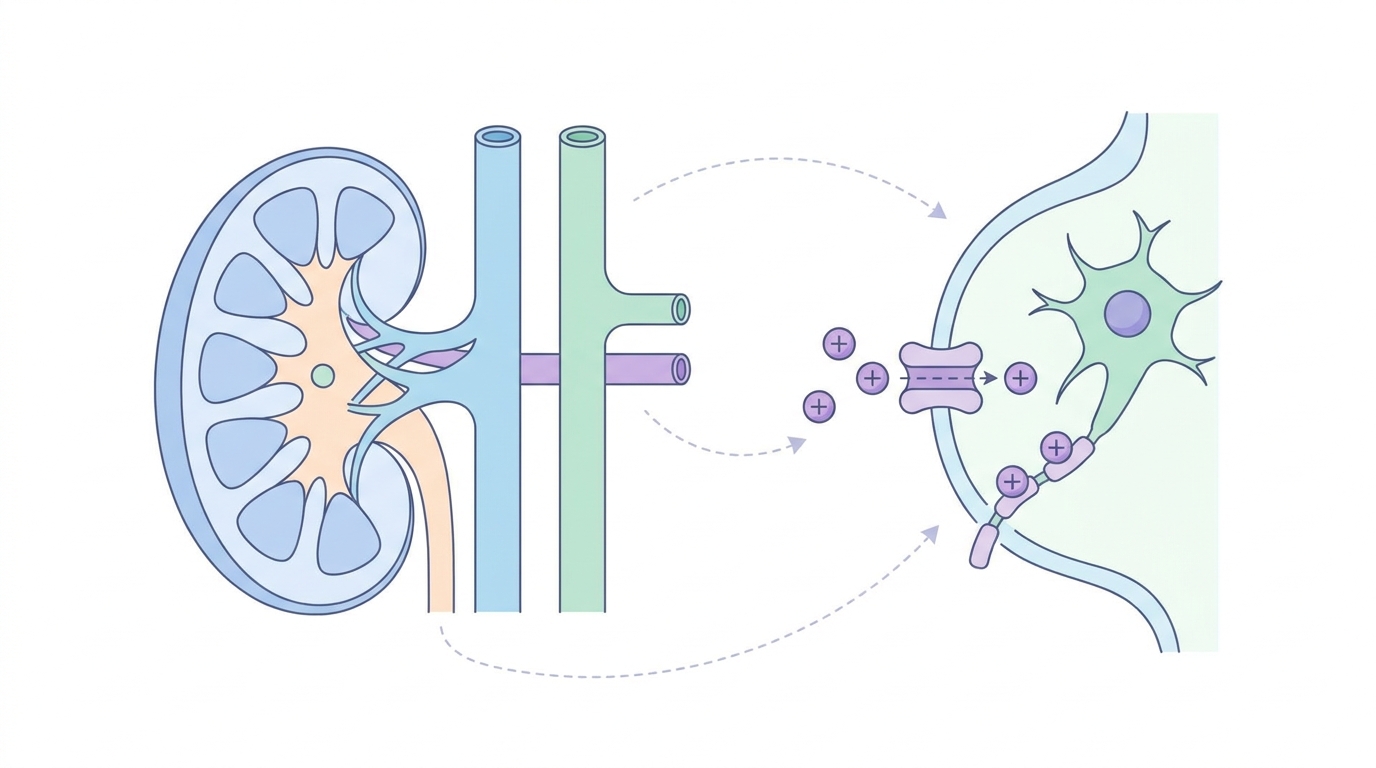
Managing your mineral balance is a key part of your daily routine when you have a heart condition. Simple changes to how you prepare your meals can make a big difference in how you feel every day. Read on to learn practical tips and clear advice designed to help you stay safe and well.
Key Takeaways for Your Heart Health.
- Heart failure medicines can either raise or lower your body's potassium levels.
- Both high and low potassium levels can cause serious heart rhythm problems.
- Soaking and boiling certain vegetables can help reduce their potassium content.
- Always check food labels for potassium chloride or added mineral substitutes.
- Work closely with your doctor and a registered dietitian for personalized advice.
TDEE Calculator
Calculate the number of calories needed per day to lose, gain or maintain weight
How Heart Failure Medicines Affect Your Potassium Levels.
Your doctor prescribes specific medicines to help your heart pump blood more easily. However, many of these common drugs can also change the balance of minerals in your blood.
For example, water pills known as diuretics help your body get rid of extra fluid. While they reduce swelling and breathing trouble, they can also cause your body to lose potassium. When this happens, your doctor may suggest eating more potassium-rich foods to keep your levels stable.
On the other hand, medicines like ACE inhibitors, ARBs, and aldosterone antagonists work in the opposite way. These drugs can cause your body to hold onto potassium, leading to higher levels in your blood. If you take these medicines, you may need to limit foods that contain high amounts of potassium.
Important Note: This guide provides general information only. Your personal health needs may differ based on your unique condition. Always talk with your doctor or nurse to confirm which dietary guidelines apply directly to you.
Why Managing Your Potassium Level Matters So Much.
Potassium is an essential mineral that helps your nerves, muscles, and heart work properly. Your heart is a powerful muscle that relies on a steady balance of minerals to beat in a regular, steady rhythm.
When your potassium level is out of balance—whether it climbs too high or drops too low—your heart can face serious stress. Keeping your levels within the safe range set by your doctor protects your health.
What Happens When Potassium Gets Too High?
When your blood has too much potassium, doctors call this condition hyperkalemia. This is a serious medical situation that requires prompt attention from your care team.
Warning signs of high potassium can include:
- Feeling unusually weak, tired, or drained of energy.
- having general physical discomfort or body aches.
- Feeling sick to your stomach or having mild nausea.
- Dealing with loose stools or digestive upset.
If left untreated, high potassium can lead to severe muscle weakness, paralysis, decreased urine output, and dangerous irregular heartbeats. This is why keeping a close eye on your mineral levels is vital for your safety.
What Happens When Potassium Gets Too Low?
Conversely, having too little potassium in your blood is known as hypokalemia. This condition also poses significant risks to your overall health and heart function.
Common warning signs of low potassium include:
- Noticeable muscle weakness, cramps, or spasms in your legs and arms.
- A fluttering sensation in your chest, known as heart palpitations.
- General muscle aches and persistent fatigue throughout the day.
As you can see, maintaining a careful balance of potassium is essential for keeping your heart beating safely and steadily.

Medical grade state-of-the-art hearing aids
Advanced hearing aids designed for clear hearing and noise control in the ear.
Check Availability →Ways to Lower Your Potassium Levels Safely.
If your doctor tells you that your potassium level is too high, you can take several simple steps to help bring it down safely:
- Soak and boil your vegetables: Cooking vegetables in plenty of water and draining them afterward helps leach out excess potassium. For example, boiling diced potatoes and discarding the cooking water removes a significant amount of the mineral.
- Read your food labels carefully: Check ingredient lists for potassium chloride, K+, or added potassium. Reduce your intake of packaged foods that use these additives as salt substitutes or preservatives.
- Limit high-potassium foods: Cut back on items known to contain very high levels of this mineral, such as potatoes, tomatoes, bananas, melons, cooked spinach, and sports drinks.
Important: These are general recommendations. If you need detailed guidance, meeting with a registered dietitian is the best step. They can help you design a personalized meal plan that fits your exact health needs.
Understanding Potassium in Everyday Foods.
Let us look at how different foods rank for potassium content. This information will help you choose which foods to enjoy freely and which ones to eat with caution.
Food categories are broken down into three groups: low potassium, moderate potassium, and high potassium. Remember that "low" does not mean zero. It simply means lower relative to other choices.
Breads and Grains.
- Lower in potassium: Plain bagels, white bread, oatmeal, plain pasta, and white rice.
- Moderate in potassium: Whole wheat bread, pumpernickel bread, dinner rolls, crackers, corn tortillas, and granola cereals.
- Higher in potassium (eat with caution): Bran bread, bran muffins, and bran-based cereals.
Fruits and Vegetables.
This is an area where many people make mistakes. While fruits and vegetables are generally healthy, some varieties contain very high levels of potassium.
- Lower in potassium: Blueberries, grapes, grapefruit, strawberries, green beans, cauliflower, cucumbers, and lettuce.
- Moderate in potassium: Apples, cherries, fresh apricots, pears, pineapple juice, peaches, carrots, bell peppers, eggplant, pumpkin, radishes, asparagus, and corn.
- Higher in potassium (eat with caution): Bananas, oranges, kiwi, nectarines, dried fruits (like apricots), papayas, prunes, avocados, coconut, potatoes, broccoli, spinach, tomatoes, artichokes, dark leafy greens, winter squash, yams, plantains, and prune juice.
Dairy Products.
- Lower in potassium: Non-dairy coffee creamers, non-dairy dessert toppings, and sour cream.
- Moderate in potassium: Regular milk, yogurt, and ice cream.
- Higher in potassium: Most standard dairy items should be treated with moderate caution as part of your daily fluid and mineral plan.
Meat, Fish, Poultry, and Protein.
- Lower in potassium: Beef, poultry, pork, veal, most fish, and eggs.
- Moderate in potassium: Peanut butter, assorted nuts (like almonds, peanuts, and cashews), and soy-based burgers.
- Higher in potassium (eat with caution): Pinto beans, dried beans, lentils, split peas, other soy products, imitation bacon bits, and sardines.
Other Foods and Beverages.
- Lower in potassium: Coffee (about one 8-ounce cup daily) and tea (about two 16-ounce cups daily).
- Higher in potassium (eat with caution): Chocolate (especially dark chocolate), molasses, and salt substitutes made with potassium chloride.
A Final Reminder: This information is meant to give you a general idea. Always follow the specific advice given by your doctor or a registered dietitian, as your personal medical condition, medicines, and lab results guide your exact dietary needs.
When to Call Your Doctor or Seek Emergency Help.
Heart failure symptoms require close monitoring. Seek immediate medical care if you experience any of the following warning signs:
- Sudden shortness of breath or severe difficulty breathing.
- Chest pain, pressure, or discomfort that does not go away.
- A fast, pounding, or irregular heartbeat that makes you feel dizzy or faint.
- Sudden, severe swelling in your legs, ankles, or abdomen.
- Extreme confusion or sudden severe weakness in your limbs.
Call 911 (US/Canada) or 999 (UK) or go to your nearest Emergency Department right away if you experience severe emergency symptoms.
Summary: What You Need to Remember.
Let us review the most important points we have discussed to help you manage your health with confidence.
1. Watch your medicines: Heart failure medicines can raise or lower your potassium levels. Always talk with your doctor about how your specific drugs affect your mineral balance.
2. Understand the risks: Both high potassium (hyperkalemia) and low potassium (hypokalemia) can cause serious health complications. Keeping your levels stable is crucial for a healthy heart.
3. Manage your food choices: Adjust your diet based on your doctor's recommendations. If you need lower potassium, limit potatoes, tomatoes, bananas, spinach, and salt substitutes. Boil vegetables and discard the water to reduce mineral content.
4. Check product labels: Look for terms like potassium chloride, K+, or potassium on packaged food labels before you buy them.
5. Seek professional guidance: This guide provides general support. Always consult your primary doctor, cardiologist, or a registered dietitian for a plan tailored specifically to you.
| Potassium Goal. | Foods to Choose. | Foods to Limit or Avoid. |
|---|---|---|
| Low Potassium Diet. | White bread, apples, berries, green beans, cauliflower, chicken, white rice. | Bananas, oranges, potatoes, tomatoes, spinach, avocados, salt substitutes. |
| Balanced Intake. | Whole grains in moderation, pears, carrots, lean beef, eggs, moderate dairy. | Excessive dried fruits, sports drinks, heavy tomato sauces. |


No comments yet. Be the first to share your question or experience below.