
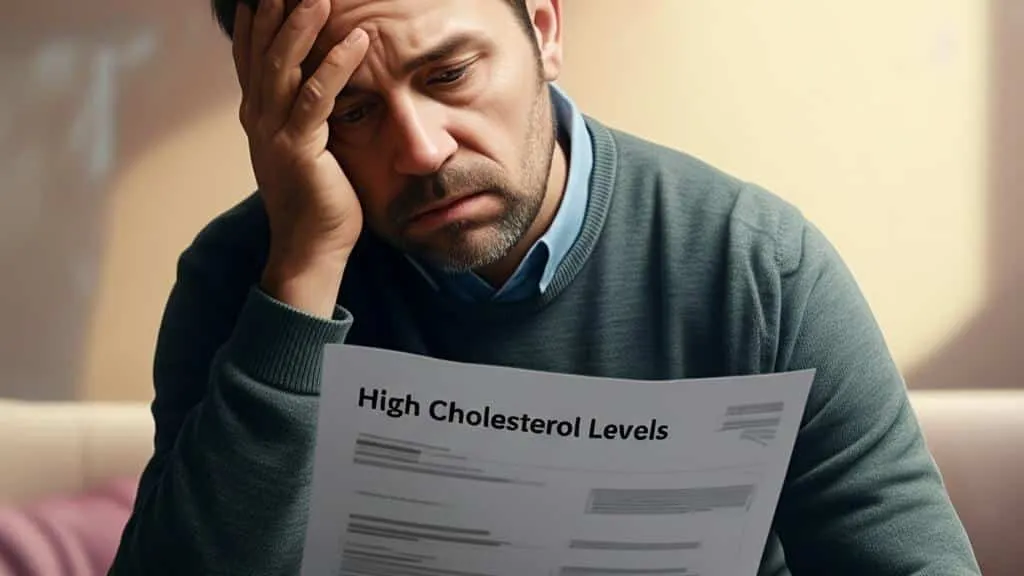
The phrase "I have cholesterol" is very common among many people in our country, isn't it? You've probably heard someone in your own family or friend say that. Because it's so common, we might not take it seriously, thinking, "Oh... that's something that happens to everyone." But is this really something we can take lightly? The truth is, not at all.
Why is cholesterol so dangerous?
Simply put, cholesterol is a type of fat in our bodies. It is essential for the production of cells in our bodies and for the production of certain hormones. This means that our bodies need some cholesterol. This required amount is produced within our bodies. In addition, cholesterol is also obtained from the foods we eat, such as eggs, meat, and dairy products.
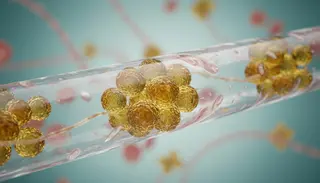
The problem starts here. When our body has more cholesterol than it needs, the excess begins to build up on the walls of our blood vessels. Imagine that over time, moss and dirt build up inside a water pipe, gradually clogging the pipe. In the same way, we call this layer of excess cholesterol a plaque . This plaque gradually narrows the blood vessels.
How does heart disease develop?
The blood vessels that supply blood to our heart are called coronary arteries. If cholesterol deposits (plaque) form inside these coronary arteries and block the blood flow, the heart does not receive the necessary amount of blood and oxygen. When there is not enough oxygen, the cells of the heart become weak and begin to be damaged. If at some point this cholesterol deposit bursts, a blood clot can form on the wound. If the blood clot completely blocks the blood vessel, the blood supply to a part of the heart stops completely, causing a heart attack .
How does a stroke occur?
Just like the heart, our brain also needs a constant supply of blood. These cholesterol deposits (plaque) can also form inside the arteries that carry blood to the brain, obstructing blood flow. If a blood vessel that supplies blood to the brain becomes completely blocked in some way, we call it a stroke .
The biggest problem: not showing any symptoms!
This is the most dangerous thing about cholesterol. No matter how high the cholesterol in the body is, we don't feel it . There is no pain, no discomfort, no visible symptoms. The only way to know for sure if you have this condition is to get a blood test.
Many people are not concerned about this because of the lack of symptoms.
- There is no pain, so taking medication is not considered important. Some people take the medication prescribed by the doctor for a few days, think, "I'm fine now," and stop taking the medication.
- We postpone it because the effect is not immediately visible .
It's not like taking a painkiller for a sore knee and getting better right away. The damage from cholesterol accumulates over years, like a worm eating away at a piece of wood.
The real consequences of high cholesterol levels in your 20s and 30s may not be seen until you're 50 or 60. So if you think, "Let's wait and see," you may be too late. Cholesterol that doesn't do you any harm today is like a landmine on the road. One day it could cause serious damage.
How to protect yourself?
The good news is that we can protect ourselves from this silent enemy. There are ways to control it. You can control your cholesterol levels by maintaining a healthy diet, exercising regularly , and, if necessary, taking the medications your doctor prescribes.
Step One: See a Doctor
The first thing to do is to see your doctor and ask if it's time to get your cholesterol levels checked. This is usually done with a fasting cholesterol blood test (Fasting Lipid Profile) .
If your cholesterol levels are high, ask your doctor what a healthy cholesterol level is for you based on your age, other medical conditions (such as diabetes, high blood pressure), and other risk factors. Also, ask how often you should have this test.
Let's look at the levels that a healthy person should have.
| Lipid Type | Description and required health level |
|---|---|
| LDL (Low-Density Lipoprotein) | This is called "bad" cholesterol because it's what builds up in your blood vessels. You want to keep it below 100 mg/dL . If you already have heart disease, your goal may be below 70 mg/dL. |
| HDL (High-Density Lipoprotein) | This is called "good" cholesterol . It removes bad cholesterol from the arteries and carries it to the liver. It is ideal to have this level at 60 mg/dL or higher . |
| Triglycerides | This is another dangerous type of fat in the blood. It is important to keep it below 150 mg/dL . |
Whatever you do, never ignore your cholesterol risk. Don't wait another year to start treatment. Your heart is precious to you. So think about it today.
💡 Take-Home Message
- High cholesterol is a very dangerous "silent enemy" that shows no symptoms.
- If left uncontrolled, it can lead to fatal conditions such as heart attack and stroke over time.
- To find out what your cholesterol levels are, see a doctor regularly and get a blood test.
- This can be well controlled by a healthy diet, regular exercise, and taking the medication prescribed by your doctor.
- Don't put it off, saying "we'll see later." Take action on your health today.




No comments yet. Be the first to share your question or experience below.