

Facing a serious illness is one of the most challenging experiences you or your loved ones can ever go through. When a medical condition reaches a stage where a cure is no longer possible, focusing on comfort and quality of life becomes the most compassionate path forward. This complete guide explores hospice care, detailing how it brings peace, dignity, and expert support during life's final chapter.
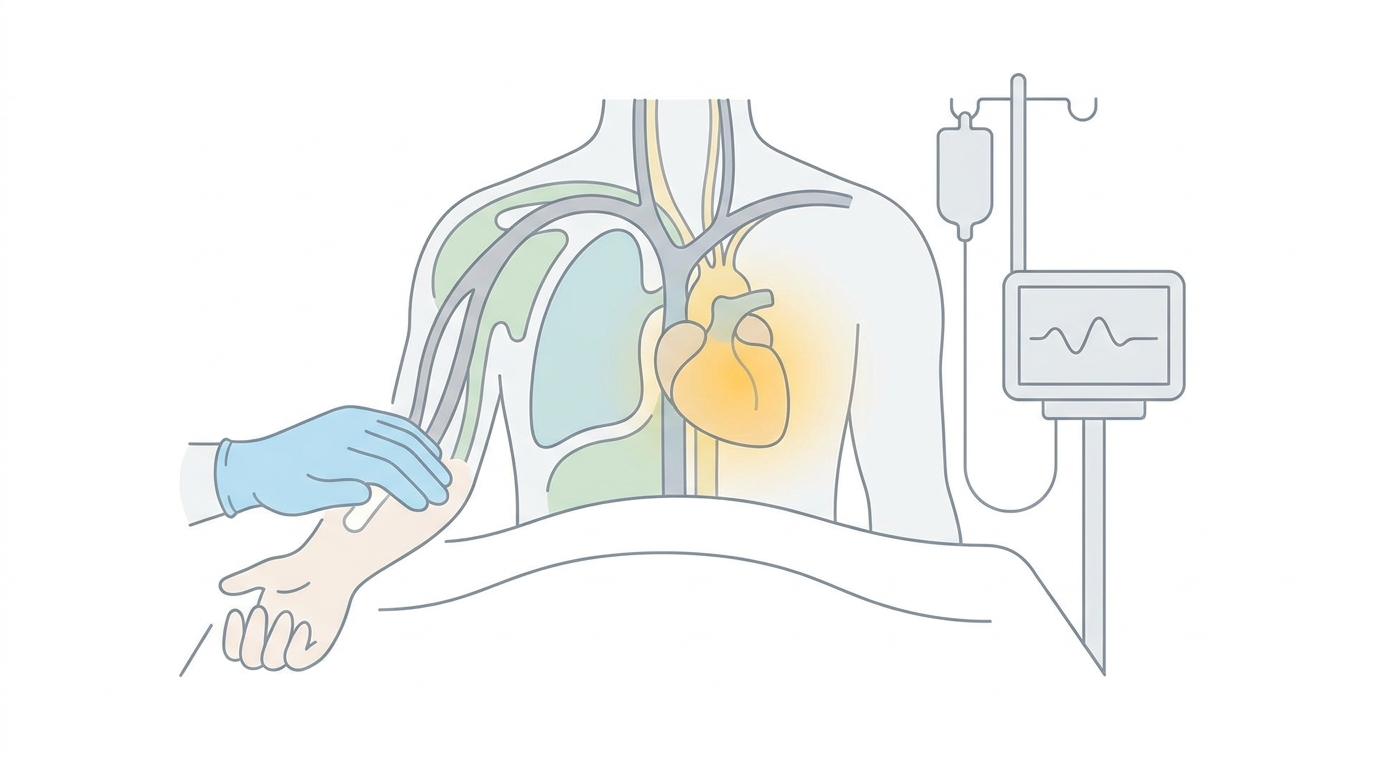
Navigating the end of life raises many questions for patients and families. You may wonder what services are available, who provides them, and how care is structured. Understanding these details can help you make informed decisions and ensure that your final months or weeks are spent with maximum comfort, surrounded by love and professional guidance.
Key Takeaways at a Glance.
- Comfort First: Hospice care prioritizes pain relief, symptom management, and emotional well-being over curative treatments.
- Multidisciplinary Support: A dedicated team of doctors, nurses, social workers, and counselors support both you and your family.
- Flexible Settings: Care can be delivered at home, in dedicated facilities, or through short-term respite stays.
- Patient Autonomy: You retain complete control over your care choices and treatment plan at every stage.
BMI Calculator
Know your body mass index (BMI) and weight classification
What Is Hospice Care?
Simply put, hospice care is a specialized form of support provided when doctors determine that your medical condition may limit your life to several months or less. The primary goal shifts entirely from curing the disease to ensuring your absolute comfort. This specialized approach prepares you physically, emotionally, and spiritually for the final stages of life.
Hospice care empowers you to maintain control over your life while staying comfortable and living with dignity. It allows you to prepare for the end of life on your own terms. If you experience severe pain or other distressing symptoms, hospice professionals excel at managing these issues so you can spend your remaining days focusing on what matters most.
During this time, you and your family receive specialized support from an integrated care team. This team includes hospice nurses, social workers, spiritual advisors, home health aides, doctors, volunteers, and bereavement counselors. Together, they create a circle of support tailored entirely to your personal needs and preferences.
The Four Levels of Hospice Care.
Hospice care is delivered across four distinct levels depending on your evolving medical needs and living situation. Understanding these levels helps you and your family know what kind of support to expect.
- Routine Home Care: Family members and loved ones care for you at home, while hospice team members visit regularly to provide medical and personal support.
- General Inpatient Care: If your pain or other symptoms become too severe to manage safely at home, you can stay temporarily at a medical facility or hospice center for intensive symptom control.
- Continuous Home Care: During a sudden symptom crisis, nurses provide short-term, intensive care directly in your home to stabilize your condition without requiring a hospital transfer.
- Respite Care: To give your primary family caregivers a necessary break, you can stay in a Medicare-approved facility for up to five days so your caregivers can rest and recharge.
Your hospice care team continually evaluates your condition and determines which level of care best suits your current needs. As your preferences or medical requirements change, your care level can adjust smoothly.
Who Qualifies for Hospice Care?
doctors use specific clinical guidelines, such as Medicare criteria, to help determine eligibility for hospice care. Under these guidelines, if your illness follows its natural course and your life expectancy is estimated at six months or less, you qualify for hospice services.
This recommendation is typically made when further curative treatments are no longer effective and recovery is no longer expected. Medicare, Medicaid, and most private health insurance plans cover virtually all hospice care costs, relieving you and your family of significant financial stress.
Many people receiving hospice care suffer from advanced, progressive chronic conditions where health gradually declines until further treatment is no longer viable. Common examples include:
- Amyotrophic Lateral Sclerosis (ALS).
- Advanced Alzheimer's disease and other forms of dementia.
- Advanced cancer at various stages.
- End-stage heart disease and chronic heart failure.
- End-stage kidney disease.
- Parkinson's disease and related neurological disorders.
- Chronic obstructive pulmonary disease (COPD) and other advanced lung diseases.
Hospice teams consist of experts who understand the unique physical and emotional needs of people navigating their final months, weeks, and days.
Who Provides Hospice Care?
A compassionate, multidisciplinary team of professionals works together to look after your physical, emotional, social, and spiritual well-being. Each member plays a vital role in your daily comfort:
- Doctors: Hospice doctors collaborate with you and your loved ones to design a personalized care plan centered entirely on your comfort and dignity.
- Nurses: Hospice nurses visit your home regularly to monitor your condition, give medicines, manage symptoms, and guide family members on how to provide daily comfort.
- Home Health Aides: Aides visit often to assist with personal hygiene, bathing, grooming, and light daily tasks, ensuring you feel clean and respected.
- Spiritual Counselors: Chaplains and spiritual advisors offer emotional and existential support to help you process life transitions, regardless of your specific religious beliefs.
- Social Workers: Social workers offer emotional counseling, help navigate advance directives, connect you with financial or food assistance programs, and address practical concerns.
Depending on your person preferences and facility offerings, your care team may also include massage therapists, art therapists, and music therapists.
What Hospice Care Provides.
Hospice care supplies an extensive array of resources, medicines, equipment, and professional support to make your end-of-life journey as comfortable as possible:
- Holistic End-of-Life Care: Hospice focuses on treating you as a whole person rather than just a disease, supporting both your physical health and your family's emotional journey.
- Comfort medicines: You receive dedicated medicines and therapies specifically designed to relieve pain, nausea, shortness of breath, and other distressing symptoms.
- Medical Equipment and Supplies: Essential equipment such as adjustable hospital beds, wheelchairs, walkers, oxygen tanks, bed linens, bandages, and incontinence supplies are provided directly to your home.
- Short-Term Facility Care: If home care is temporarily insufficient for complex symptom management, short-term inpatient care is readily available.
- Caregiver Support: Hospice professionals train family members to care for you safely and provide ongoing emotional counseling, respite care, and post-loss bereavement support for months after your passing.
What Hospice Care Does Not Provide.
When planning end-of-life care, it is equally important to understand what services and items are typically not included under standard hospice benefits:
- Curative Treatments: Hospice is designed for comfort when curative measures are stopped. If you decide to resume aggressive treatments to cure your underlying illness, you can choose to exit hospice care at any time.
- Room and Board: Hospice does not automatically cover room and board costs if you reside in a nursing home or assisted living facility, though your care services remain covered.
- Ongoing 24/7 Personal Care: While hospice nurses are on call 24/7 for emergencies, they do not provide round-the-clock personal bedside nursing. Families or hired private aides typically fill this continuous care role at home.
How Long Can Someone Live on Hospice Care?
Some people worry that if they live past six months, their hospice benefits will automatically end. In reality, this is a misconception. No one can predict with absolute certainty how long an person will live.
The six-month timeframe is simply a clinical guideline used by insurance providers. Many people receiving exceptional hospice care experience such an improvement in their quality of life that they live longer than initially expected.
Your hospice doctor regularly re-evaluates your health status. If your condition stabilizes or improves, you may be discharged from hospice, though you can re-enroll later if your health declines again. Your care is always guided by your changing needs, not a strict calendar.
| Feature. | Palliative Care. | Hospice Care. |
|---|---|---|
| Disease Stage. | Any stage of a serious, chronic, or life-limiting illness. | Advanced illness with a life expectancy of six months or less. |
| Curative Treatment. | Can be received alongside curative treatments (chemo, dialysis). | Curative treatments are stopped; focus is strictly on comfort. |
| Primary Goal. | Relieve symptoms and improve daily quality of life. | Provide maximum comfort, pain control, and peaceful closure. |
Hospice Care vs. Palliative Care: What Is the Difference?
These two terms are often confused, so understanding their distinct definitions is helpful. Palliative care focuses on improving the quality of life for people with serious illnesses at any stage. You can receive palliative care alongside treatments designed to cure your condition.
Hospice care is a specialized subset of palliative care reserved for when life expectancy is measured in months, and curative treatments are no longer being pursued. While both prioritize comfort, hospice specifically guides patients and families through the final phase of life.
Is Choosing Hospice Care Giving Up?
Absolutely not. Choosing hospice care means accepting your medical reality while choosing to live your remaining time as fully, comfortably, and meaningfully as possible.
When your doctor recommends hospice, it reflects a deep commitment to your well-being and dignity. Most importantly, enrolling in hospice is always your personal choice. You maintain the right to change your mind, stop hospice services, and resume curative treatments whenever you wish.
Death is as natural a part of life as birth. When facing a serious illness, talking openly with your loved ones about your wishes—such as how and where you want to spend your final months—brings immense peace of mind. Discuss advance care planning with your doctor today. Having clarity about your end-of-life wishes frees you to live every healthy day with confidence and tranquility.
When to Call Emergency Services (Red Flags).
While hospice provides complete support, certain acute symptoms require immediate emergency intervention. Call 911 (US/Canada), 999 (UK), or go to your nearest Emergency Department if you or your loved one experience:
- Sudden, severe chest pain or pressure signaling a cardiac event.
- Sudden loss of consciousness, unresponsiveness, or severe acute confusion.
- Severe sudden breathing distress that does not respond to prescribed rescue medicines or oxygen adjustments.
- Major physical trauma, sudden falls, or severe uncontrolled bleeding.
- Any acute crisis where your primary hospice nurse or doctor cannot be reached right away.
What Is the Most Important Takeaway?
Hospice care is not a sign of surrender or defeat. It is a powerful resource that ensures your final chapter is marked by comfort, dignity, and deep personal connection.
- Comfort Is Paramount: Expert pain and symptom management keeps you comfortable and peaceful.
- You Are Never Alone: A dedicated team of doctors, nurses, and counselors provides continuous support for you and your family.
- You Remain in Control: Every decision regarding your care plan and schedule rests entirely in your hands.
- Early Conversations Matter: Discussing your preferences with loved ones and doctors ahead of time ensures your wishes are honored.
Remember that hospice care is about embracing the time you have left, living each day with grace, and ensuring peace of mind for you and everyone you love.


💬 Patient Questions & Comments (0)
No comments yet. Be the first to share your question or experience below.