
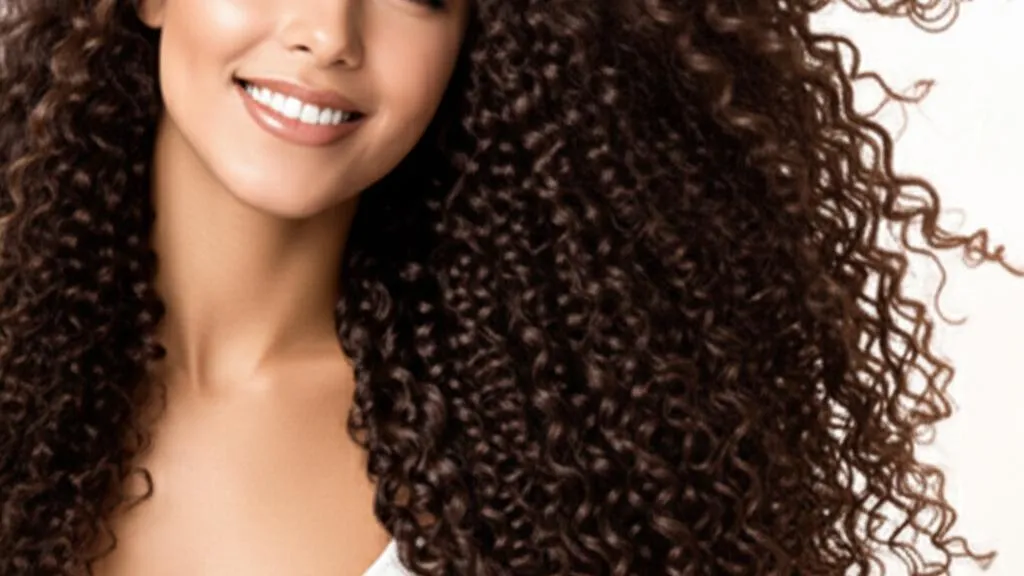
Do you have curly hair that feels difficult to manage every single morning? You are not alone in this daily hair struggle. Many people find that thick or curly locks require extra care and attention. Straight hair often resists damage better than curly textures do. Curls tend to dry out quickly and break much easier. However, you do not need to feel stressed or overwhelmed. Once you understand your hair type, caring for it becomes much simpler. Proper care keeps your curls healthy, bouncy, and radiant every day.
Medical experts and dermatologists study hair structure to understand how to keep strands strong. Your scalp health plays a major role in how your hair grows. When you follow a consistent and gentle routine, your curls will thrive. Let us explore the science of curls and practical daily habits. You will learn how to maintain gorgeous, healthy hair without frustration.
Key Takeaways for Healthy Curls
- Curly hair is naturally drier because scalp oils struggle to travel down curved strands.
- Avoid washing your hair every single day to preserve essential natural oils.
- Always use a gentle, sulfate-free shampoo to protect your delicate scalp and hair barrier.
- Never brush or comb curly hair while it is completely dry to prevent breakage.
- Protect your curls at night using a silk bonnet or a soft cotton t-shirt wrap.
What Is Curly Hair?
Simply put, curly hair comes in many different shapes and wonderful patterns. Every single hair strand on your head shares a similar basic protein structure. Yet, many different factors determine how your hair bends and curves. Your unique genetic code from your parents plays the biggest role. The climate and region where you live can also influence your hair.
Dermatologists and hair researchers classify hair textures into four main groups. This classification helps doctors and patients understand specific hair needs. The four primary hair types include straight, wavy, curly, and extra curly or kinky hair. Most general hair care advice focuses heavily on tight curls. Straight and wavy hair types usually require much less daily effort.
Tight curls need a careful and consistent routine to look their best. When you understand your specific curl pattern, you can choose better products. Patience helps you train your curls into a smooth, defined shape. Embracing your natural texture is the first step toward healthy hair.
Why Does Hair Curl?
About ninety percent of your hair consists of a special protein called keratin. This exact same protein also builds your skin and your fingernails. The keratin proteins inside your hair strand bind together in unique ways. This internal bonding directly determines whether your hair grows straight or curly.
Your scalp contains tiny structures beneath the skin called hair follicles. The angle where your hair follicle sits inside the skin matters greatly. Imagine a hair follicle that grows flat or shaped like an oval. The hair strand emerging from that shaped follicle will naturally form tight curls. Round follicles tend to produce straight hair instead.
Genetics entirely dictate the shape and angle of your hair follicles. Temporary medical treatments or styling products cannot permanently change your natural follicle shape. Your hair texture usually stabilizes as you grow into full adulthood. However, certain prescription medicines or hormonal shifts can alter your hair. Pregnancy is a common time when hair texture might temporarily shift.
If you notice sudden changes in your hair, eyelashes, or eyebrows, speak with your doctor. Sudden hair changes can sometimes signal underlying health or hormonal conditions. Professional medical guidance ensures your body and scalp remain healthy.
What Care Routine Fits Your Hair?
People with curly hair often struggle with frequent hair breakage and frizz. This happens because of the natural structural shape of curly strands. Protecting your hair roots and scalp helps reduce breakage over time. Healthy roots lead to shiny, strong, and beautiful curls.
Caring for curly hair requires patience and gentle daily habits. Following expert recommendations will protect your hair from unnecessary damage. Here is a helpful guide to managing your curls safely.
| Care Tip | Detailed Explanation |
|---|---|
| Avoid Daily Washing | Curly hair is naturally dry. Washing every day strips essential natural oils and increases dryness. Wash your hair every two to three days instead. |
| Lock In Moisture | Always use a nourishing conditioner after washing your hair. Apply suitable hair oils to seal in moisture and prevent frizz. |
| Scalp Health Care | Cleanse your scalp thoroughly when washing. Massage gently using your fingertips to remove dirt and oil buildup safely. |
| Gentle Detangling | Use a wide-toothed comb to remove knots safely. Detangle your hair while wet with conditioner applied to minimize breakage. |
| Protect From Heat | Always apply a heat protectant spray before using styling tools. Excessive heat damages your natural curl pattern severely. |
Stay Away From Sulfate Shampoos
Choosing the right shampoo is vital for maintaining healthy curly locks. You should always look for sulfate-free shampoo formulas at the store. Sulfates are harsh chemical detergents that strip away your natural scalp oils. When your scalp loses its protective oil, it becomes very dry and irritated.
Dry scalps often react by producing even more oil to compensate. This rebound effect can make your hair look greasy and unclean quickly. Sulfate-free cleansers clean your scalp gently without causing extreme dryness. Your curls will feel softer, hydrated, and much easier to manage.
More Important Facts About Curly Hair
Before choosing a hair care routine, learn your hair density and texture. Understanding these core properties helps you select the best products for your needs. Every person has a unique hair profile that requires tailored care.
- Hair Density: This measures how many person hair strands cover your head. If your scalp is hard to see, you have high hair density.
- Hair Texture: This describes the thickness of a single hair strand. Fine hair has a small diameter, while coarse hair is thick. Curly hair can be fine or coarse.
- Hair Porosity: This refers to how well your hair absorbs and holds moisture. Curly hair often has high porosity due to its shape. High porosity means moisture enters easily but escapes quickly.
High porosity explains why conditioning is an absolute must for curly hair. Without proper conditioning, your curls will dry out and lose definition rapidly. Consistent hydration protects each strand from environmental damage.
"The golden rule of curly hair care is never to brush your hair while it is dry. Dry brushing snaps your curl patterns, creates severe frizz, and damages hair strands."
Additional Tips for Curly Hair
Keeping your hair healthy requires supporting your overall physical well-being. Eat a balanced diet rich in proteins, vitamins, and essential minerals. High levels of mental stress can negatively impact your hair growth cycle. Managing stress supports healthy hair from the inside out.
Pay close attention to the hair styling products you purchase. Heavy gels and thick mousses can trap dirt and oil on your scalp. Not every product labeled specifically for curly hair will suit your unique strands. Read ingredient labels carefully to avoid heavy silicones or drying alcohols.
Protecting your hair while you sleep is another crucial daily step. Tossing and turning on a cotton pillowcase causes friction and breakage. You can wrap your hair gently in a soft cotton t-shirt before bed. This method is often called the plopping technique. Alternatively, sleeping in a smooth silk bonnet keeps your curls intact overnight.
Following these simple steps will transform your hair care journey. Your curly hair will look vibrant, healthy, and beautifully defined every day.
When to See a Doctor or Seek Emergency Care
While standard hair care is safe at home, certain scalp symptoms require professional medical evaluation. Consult a dermatologist or doctor right away if you experience severe scalp pain, sudden patchy hair loss (alopecia areata), pus-filled lesions, or signs of a severe bacterial or fungal infection. If you experience an acute allergic reaction to a hair product involving facial swelling, hives, or difficulty breathing, call 911 (US/Canada) or 999 (UK) right away or visit the nearest Emergency Department (ER / A&E).
💡 Take-Home Message
Curly hair is naturally dry because scalp oils take longer to travel down curved strands. Avoid washing your hair every single day to protect your natural moisture barrier. Always use a nourishing conditioner every time you wash your hair. Never comb or brush your hair while it is completely dry to prevent breakage. Use a wide-toothed comb on wet hair with conditioner to remove knots safely. Stay away from harsh sulfate shampoos that strip away vital scalp oils. Protect your curls at night by sleeping in a silk bonnet or t-shirt wrap. If you notice unusual scalp changes, seek professional medical advice without hesitation.






No comments yet. Be the first to share your question or experience below.