
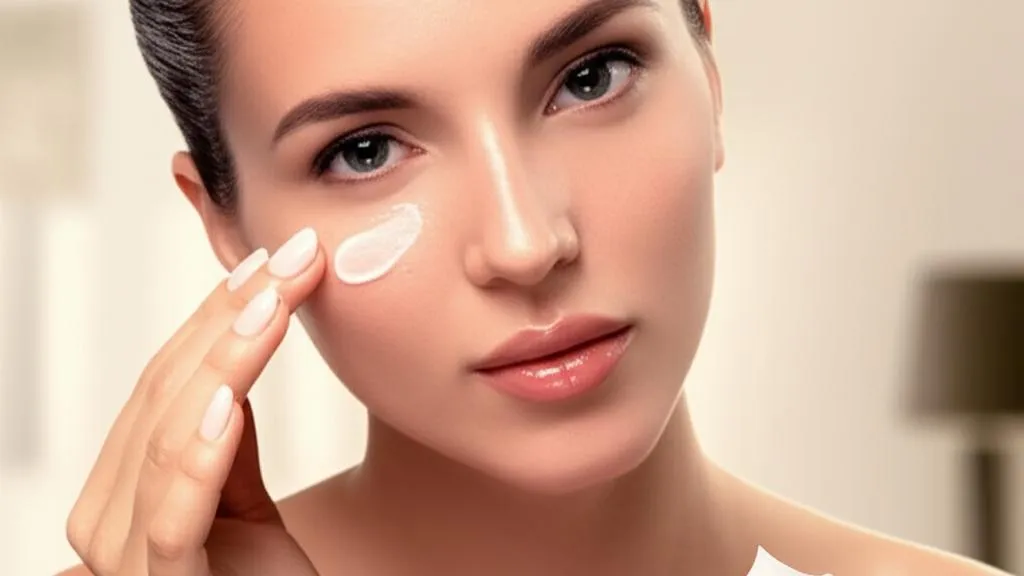
Have you ever looked in the mirror and wished your skin looked fresher, softer, and more radiant? You are not alone in wanting healthy, glowing skin. With countless skincare products filling shelves and online stores, finding the right night cream can feel overwhelming.
Choosing the wrong product wastes your hard-earned money and can even irritate your delicate skin. Let us walk through everything you need to know in simple, clear terms so you can make the best choice for your health.
Key Takeaways
- Night creams are thicker and designed for deep overnight repair. This day creams focus on daily protection and SPF.
- Look for powerful, proven ingredients like hyaluronic acid, retinols, and ceramides to nourish your skin barrier.
- Always read ingredient labels to avoid harmful chemicals such as parabens, phthalates, and formaldehyde.
- Match your night cream to your specific skin type, whether your face is oily, dry, or sensitive.
- Consult a board-certified dermatologist if you experience persistent skin irritation or severe dermatological conditions.
Why Do We Need a Night Cream?
Your skin is not just a single flat layer. It is made of multiple layers that work together to protect your body. When you are young, these layers are strong and firm.
This natural strength comes from a special protein called collagen. Think of collagen as the sturdy wooden beams inside a house that keep everything standing tall.
As you grow older, your body naturally produces less collagen. The structural beams weaken over time. Your skin layers become thinner, start to sag, and develop fine lines and wrinkles.
While aging is a completely natural part of life, sun exposure, pollution, and daily stress can make these signs appear much faster. Your skin also loses moisture easily as you age, leading to frustrating dryness.
This is where a quality night cream steps in to help. When you drift off to sleep, your body enters a deep repair mode. A good night cream delivers deep moisture, repairs daily damage from the environment, and protects your skin barrier.
What Is the Difference Between Day Cream and Night Cream?
Many people make the mistake of using the exact same cream day and night. Others assume there is no real difference between the two products. In reality, day creams and night creams serve completely different purposes.
- Day Creams: Day creams should feel lightweight on your face. You need a light texture because you will often wear makeup over it or head out into the daytime sun. Most importantly, a day cream must contain at least SPF 15 sunscreen to protect your skin from harmful ultraviolet rays. Some day creams also include vitamin C to brighten your complexion during daylight hours.
- Night Creams: Night creams are noticeably thicker and richer than day creams. Their main job is not daytime protection against pollution and UV rays. Instead, night creams focus heavily on repairing daily wear and tear while you sleep. They flood your skin with rich moisture and active ingredients when your skin cells regenerate most actively.
Using both types of creams gives your skin complete, round-the-clock care. Your skin gets protection during the day and deep restoration at night.
What Ingredients Should a Good Night Cream Contain?
When shopping for a night cream, do not chase expensive brand names or flashy marketing claims. The most important factor is the list of active ingredients inside the bottle. You must check whether those ingredients match your personal skin goals.
Let us examine the most beneficial ingredients to look for on product labels.
| Active Ingredient | Benefit for Your Skin |
|---|---|
| Retinols | Derived from vitamin A, retinols are gold-standard anti-aging ingredients. They smooth fine lines, fade dark spots, and brighten your complexion. If you have sensitive skin, start by using retinols two or three times a week before building up to nightly use. |
| Hyaluronic Acid | This ingredient acts like a tiny sponge for moisture. It draws moisture from the surrounding air and locks it deep inside your skin. This plumps up your skin, giving it a youthful glow while smoothing out wrinkles. Applying it to damp skin yields the best results. |
| Ceramides | Ceramides are natural lipids that form a protective shield across your skin's surface. They lock in vital moisture while blocking out harmful bacteria, dust, and environmental irritants. |
| AHAs and BHA | These fruit-derived acids gently exfoliate dead skin cells from your face. They sweep away dull skin and reveal fresh, new cells underneath. This helps tired, dull skin look vibrant and clear. |
| Vitamin E and Resveratrol | These powerful antioxidants protect your skin from oxidative stress and environmental damage. They help maintain your skin's natural moisture balance while soothing irritation. |
| Glycerin and Lactic Acid | Glycerin delivers deep hydration to repair damaged skin tissue. Lactic acid gently removes dead cells, paving the way for other nourishing ingredients to absorb deeply. |
Harmful Ingredients to Definitely Avoid
Even with so many wonderful ingredients available, some skincare products contain hazardous chemicals. These toxic substances can cause painful skin irritation, disrupt your natural hormone balance, and even increase long-term health risks.
Reading ingredient labels carefully before buying any product is an essential safety habit. While regulatory bodies and agencies like the FDA and NHS work to protect consumers, products on open global markets may still contain unwanted additives.
Protecting yourself requires staying informed as a smart consumer. Always check the fine print on the back of every cosmetic container.
| Harmful Chemical to Avoid | Potential Health Risk |
|---|---|
| Formaldehyde & Releasers (e.g., Quaternium 15) | Widely classified as known human carcinogens linked to cancer risks and severe allergic contact dermatitis. |
| Mercury | Often found in illegal skin-lightening creams, mercury can cause severe kidney damage and nervous system disorders. |
| Phthalates (e.g., Dibutyl phthalate) | Chemicals that interfere with normal hormone function and harm the reproductive system over time. |
| Parabens (e.g., Isobutylparaben) | Preservatives that mimic estrogen hormones and negatively impact reproductive health and endocrine balance. |
| PFAS (Per- and polyfluoroalkyl substances) | Persistent chemical compounds linked to increased cancer risks and immune system suppression. |
How Do I Choose the Right Night Cream for My Skin Type?
Now that you understand which ingredients help and which ones harm, think about your unique skin type. Everyone's skin reacts differently to formulations.
- Do you have oily skin? Choose a lightweight, oil-free gel or lotion-based night cream that will not weigh your face down.
- Do you have dry skin? Choose a rich, thick, deeply moisturizing cream that locks in long-lasting hydration throughout the night.
- Do you struggle with acne breakouts? Look for products labeled non-comedogenic, meaning they will not clog your pores or trigger pimples.
- Is your skin highly sensitive? Select hypoallergenic products completely free of added fragrances and drying alcohols to prevent redness.
If you feel unsure about which product to choose, or if you live with a persistent skin condition like eczema or severe acne, consult a professional. Make an appointment with your primary care doctor or a board-certified dermatologist. A medical specialist can evaluate your skin and recommend safe, targeted treatments tailored specifically for you.
When to Call the Doctor
Seek immediate medical care or call 911 (US/Canada) or 999 (UK) if you experience severe allergic reactions after applying a skincare product, such as sudden facial swelling, difficulty breathing, or widespread hives.
Visit your nearest Emergency Department (ER or A&E) if you develop severe chemical burns, blistering rashes, or signs of a secondary skin infection (such as pus, severe throbbing pain, or spreading red streaks).
Consult a dermatologist promptly if you notice persistent contact dermatitis that does not improve after stopping product use.
💡 Take-Home Message
- Day creams and night creams are different: Day creams protect against UV rays and pollution, while night creams focus on repair and deep nourishment.
- Ingredients matter more than brand names: Choose products containing proven actives like Retinols, Hyaluronic Acid, and Ceramides rather than paying for expensive marketing.
- Avoid harmful chemicals: Read labels carefully to steer clear of parabens, phthalates, formaldehyde, and mercury.
- Know your skin type: Match your cream to your specific needs, whether your skin is oily, dry, acne-prone, or sensitive.
- Seek professional advice: When in doubt, consult a board-certified dermatologist for personalized medical skincare guidance.






No comments yet. Be the first to share your question or experience below.