

Sometimes your skin suddenly turns red, looks like a rash, and itches unbearably, doesn't it? Or some skin conditions that occur in young children make mothers very worried. In such cases, your doctor may have given you a cream, lotion, or ointment . It may be called Hydrocortisone . Since this medicine comes under different brand names, you can check whether the active ingredient in the medicine you received is Hydrocortisone. So today, let's talk about what this Hydrocortisone is and how to use it exactly.
What is this Hydrocortisone?
Simply put, Hydrocortisone is a topical steroid . But it's not a steroid you take to build strength. It's a medicine.
Its main function is to reduce inflammation in the skin. Inflammation is a condition that occurs within the skin, such as inflammation and swelling. When this medicine is applied, redness, swelling, unbearable itching , and rashes on the skin are controlled. Doctors often recommend it to treat skin conditions like eczema . It can come in the form of a cream, ointment, lotion, or solution.
Things to tell your doctor before using this medicine
Before using hydrocortisone, it is very important to give your doctor a complete description of your health condition. Be sure to tell them about any of the following conditions:
| Your situation | Why do you need to tell the doctor that? |
|---|---|
| If a large area of skin is burned or injured | There is a higher risk of side effects from more medication being absorbed into the body through injured or burned skin. |
| If there is a skin infection (bacterial, fungal) | Steroids can worsen some infections, so the infection needs to be treated first. |
| If you are taking other steroids (e.g. `(Prednisone)`, `(Dexamethasone)`) or using other steroid creams | This information is important for the doctor to prevent unnecessary increases in steroid levels in the body. |
| If you have allergies to hydrocortisone or other medications, foods, or dyes | This is essential to recommend a safe medication that you are not allergic to. |
| If you are pregnant or trying to get pregnant | The doctor makes a decision after considering the need for the medication and the potential risks to the baby. |
| If you are a breastfeeding mother | The doctor needs this information to determine whether the medicine passes to the baby through breast milk and whether it is safe. |
How exactly do you use this?
To get the most out of this medicine, it is very important to use it correctly.
- This is a topical medicine only. Do not take it by mouth for any reason.
- Wash your hands thoroughly with soap before and after applying the medicine. However, if you are applying the medicine to your hands, wash your hands only before applying it.
- The medicine should only be applied to the affected skin area . Do not apply it to healthy skin.
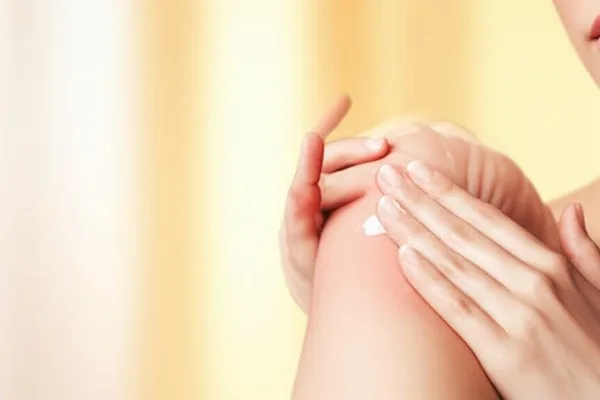
- Don't apply too thickly. Apply a very thin layer and gently massage into the skin.
- Be careful not to get it in your eyes. If you accidentally get it in your eyes, immediately rinse them thoroughly with clean water.
- Unless your doctor tells you to, do not bandage, apply plaster, or wrap the area with cloth. Doing so may cause more of the medication to be absorbed into the skin and cause side effects.
- Use only as often and for as long as your doctor tells you. Do not stop or continue using it just because your symptoms have subsided.
When used with small children
This medicine should only be used on children on the advice of a doctor . Do not use it unless your doctor tells you to, especially for skin conditions in the diaper area of children. If you do use it, do not put on tight diapers that have been applied with the medicine. Also, do not wear things like plastic pants.
The most important thing is that this is a medicine that the doctor has prescribed for you only. Never share this with anyone else just because it has cured your skin condition. Because even though it may look the same, skin conditions can be different.
What to do if you miss a dose of medication?
If you forget to take a dose, take it as soon as you remember. But if it is almost time for your next dose, skip the missed dose and take the next dose as scheduled. Never take a double dose.
Possible side effects of using this medicine
Most people don't experience serious side effects, but it's important to be aware of what can sometimes happen.
| Side effects and what you should do | |
|---|---|
| If you experience these symptoms, see a doctor immediately. | |
| An allergic reaction | A skin rash, severe itching, swelling of the face, lips, tongue, or throat. |
| A skin infection | Redness, swelling, warmth, or pain where the medicine was applied. |
| Thinning of the skin | The skin is very fragile, easily bruised even by a small bump. |
| Pus-filled blisters | Red, small pus-filled blisters around hair follicles. |
| If these things continue, tell your doctor. | |
| Minor skin problems | Slight burning, dryness, or redness at the site of application. |
| Unwanted hair growth | Unexpected hair growth at the injection site. |
What to do if you overdose on the medicine?
If you think you have taken more medicine than you think, don't panic. Immediately call the National Poisons Information Centre at the Colombo National Hospital . Or go to the Emergency Treatment Unit (ETU) of the nearest hospital.
What else should you be concerned about?
- If your symptoms do not improve or worsen, see your doctor again.
- While using this medicine, be careful if you come into contact with someone who has measles or chickenpox. If this happens, tell your doctor.
- Important: This cream may damage latex products (such as condoms and diaphragms) and reduce their effectiveness if they come into contact with them. Therefore, be careful when using this medicine.
How do you properly store and dispose of medication?
Keep the medicine out of the reach of children and pets . Store at room temperature (between 15-30 degrees Celsius). Do not refrigerate. Do not use after the expiration date.
If you need to dispose of expired medication, don't throw it directly into the trash. Take the medication out of the tube, mix it with used coffee grounds, a little soil, or cat litter, put it in a small bag, seal it, and throw it in the trash. This will prevent the medication from being accidentally released into the environment.
Take-Home Message
- Hydrocortisone is a steroid medication that controls redness, itching, and swelling of the skin. It should only be used on the recommendation of a doctor.
- When applying the medicine, apply it in a very thin layer only to the problem area.
- Don't forget to tell your doctor about any other medications you are taking and any other illnesses you may have.
- If serious side effects (allergies, skin infections) occur, see a doctor immediately.
- This medicine is for you only. Never share it with others.




💬 Comments (0)
No comments yet. Be the first to share your thoughts here.
Add Your Comment