Let's learn everything about the small device that protects your heart (ICD).

Let's learn everything about the small device that protects your heart (ICD).

Have you ever thought that our heart is like a little machine that works in a rhythm? But sometimes this rhythm can go awry. That means the heart beats dangerously fast, which can be life-threatening. In such cases, today we are going to talk about a small device that acts as a protector of your heart.

What is this ICD?

Simply put, an ICD (Implantable Cardioverter Defibrillator) is a small, battery-operated device that monitors your heart rhythm 24 hours a day. It's like a lifeguard placed inside your heart. It detects when your heart's rhythm becomes dangerously irregular (a condition we call arrhythmias) and delivers a small electrical shock to restore your heart's rhythm.

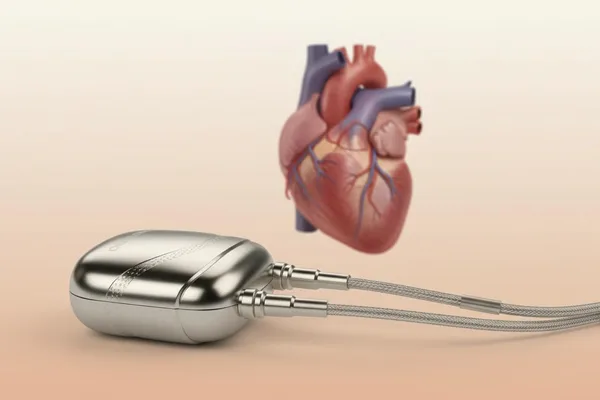
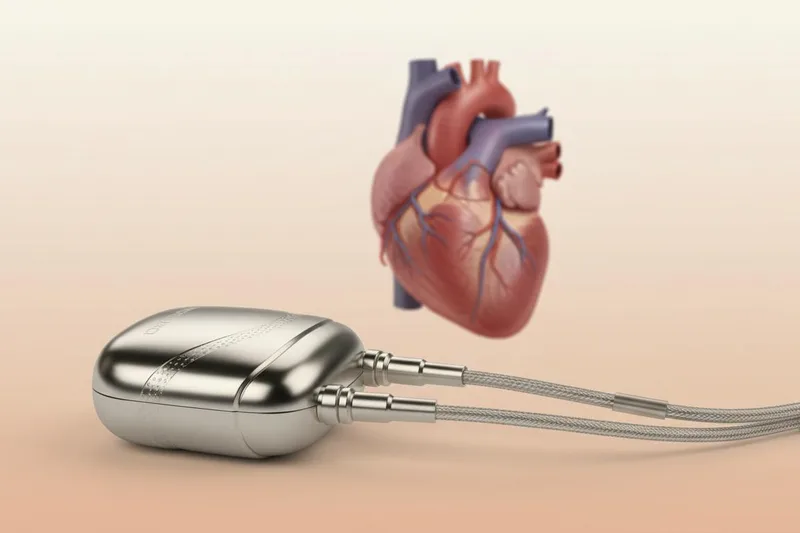
This ICD is usually surgically implanted under the skin of your chest. It is about the size of a small stopwatch. It contains a battery and circuitry that monitors your heart's electrical activity. One or more thin wires (`(leads)`) connected to this device go into your heart chambers to monitor and, if necessary, deliver an electric shock.

Many ICDs also contain a pacemaker, which controls the heart's rhythm. This means it does two things.

Who needs an ICD?

An ICD is usually recommended for people who are at high risk of dying from sudden cardiac arrest. There are several medical conditions that can increase this risk.

Medical condition A simple explanation
If you have had a previous heart attack or cardiac arrest People with this kind of history are at higher risk of it happening again.
Ventricular Tachycardia A dangerous rhythm in which the lower chambers of the heart (ventricles) beat very rapidly.
Ventricular Fibrillation A potentially fatal condition in which the lower chambers of the heart tremble uncontrollably.
Heart failure with reduced ejection fraction The risk increases as the heart is unable to pump enough blood to the body.
Hypertrophic Cardiomyopathy A disease caused by thickening of the heart muscle.
Other genetic conditions For example, conditions like Brugada syndrome and Long QT syndrome.

How do you prepare before this surgery?

Before the surgery to implant an ICD, your doctor will ask you to do certain things. These things are done to make sure you are in a good condition for the surgery.

  • Various tests: You may be asked to do things like blood and urine tests, an electrocardiogram (ECG) test that looks at the electrical activity of the heart, and an echocardiogram that looks at the function and structure of the heart.
  • Warnings: If you have blood clotting problems or are taking blood thinners, you should definitely tell your doctor about them. You should also tell them about any other medical conditions you have (diabetes, asthma, kidney disease).
  • Allergies: If you are allergic to substances used in some tests (contrast dye or iodine), please inform us about that as well.
  • Fasting: You will be asked to abstain from eating or drinking for a few hours before surgery (fasting).

It is very important to follow your doctor's instructions exactly.

What happens during the surgery?

This surgery usually takes a few hours. Most often, a small incision is made near your collarbone and the ICD leads are passed through a blood vessel into your heart. This is called a transvenous approach.

Here is a simple step-by-step explanation of how the surgery is performed:

1. First, you will be completely anesthetized (`general anesthesia`) or only the area where the surgery will be performed will be numbed (`local anesthesia`).

2. Then the doctor makes a small incision in the skin near the belt.

3. Through that, a major blood vessel, such as the subclavian vein, is entered, and the wires are carefully guided to the appropriate chambers of the heart.

4. Now the ICD device (the small box-like part) is placed in a small space created under the skin incision.

5. Then the wires sent to the heart are connected to the ICD.

6. Once all this is done, check to see if the device and wires are working properly.

7. If everything is OK, the incision in the skin is sewn closed.

What are the benefits and risks of this?

The main advantage

The biggest and only advantage of this is the ability to save lives .

Simply put, this small device can prevent sudden death from a dangerous heart rhythm. It can also record information about your heart's function and help your doctor make treatment decisions.

Risks and complications

As with any surgery, there are some risks involved, but these are usually uncommon.

Risk/Complication Description
Bleeding or bruising It can occur at the site of surgery.
Infections Infection of the incision or infection of the device.
Lung problems (Pneumothorax) There is a very small risk of lung damage during surgery.
Device or wire movement Possibility of movement of the installed device or wire from its intended location.
Inappropriate electric shocks A shock is delivered in response to another non-life-threatening cardiac rhythm.

Things to consider when living with an ICD

After having an ICD implanted, you can live your life as normal. But there are a few things to be aware of.

How does the shock from the ICD feel?

The strength of the electric shock can vary. A low-energy shock may feel like a gentle jolt to the chest. A high-energy shock may feel like a momentary blow to the chest.

Most of the time, a single shock will restore the heart's rhythm. But if you receive a shock, you should definitely tell your doctor.

Stay away from these things.

Strong magnetic fields and some technological devices can interfere with the functioning of the ICD, so be careful about these things.

Things to avoid or be careful about Explanation
Strong magnetic fields MRI machines, large magnets that lift vehicles, powerful stereo speakers, etc. Be sure to tell them you have an ICD before having an MRI scan.
Mobile Phones Keep your phone at least 6 inches away from the ICD implant site. Do not put it in your shirt pocket on that side.
Security systems Don't linger too long near the anti-theft systems in stores or the metal detectors at airports. Go through them quickly.
Other equipment Avoid getting close to arc welding equipment, electric fences, and vehicle battery jump cables.

Most importantly: Always carry a card in your purse stating that you have an ICD. It will be very important in an emergency.

When do you need to talk to the doctor?

In some cases, you need to seek medical advice immediately.

  • Signs of an infection: If there is blood or pus draining from the surgical site, if the area is red and swollen, if you have a fever or chills, or if the pain is getting worse, be sure to tell your doctor.
  • Shock: If you experience multiple shocks within a short period of time, it may be an emergency. Go to a hospital's Emergency Department (ETU) immediately.

How long does the ICD battery last?

The battery in an ICD usually lasts about 7 years. However, this can vary depending on the number of shocks you receive. Your doctor will check your ICD every 3-6 months to check the battery status. Therefore, it is very important to go to the clinic on time.

Take-Home Message

  • An ICD is a small, life-saving device that controls dangerous heart rhythms and prevents sudden death.
  • Although this surgery is generally safe, remember that, like any surgery, there are some risks.
  • When living with an ICD, it is very important to stay away from strong magnetic fields and some electronic devices.
  • Always carry identification that shows you have an ICD.
  • If you receive a shock from the ICD, or if you develop signs of infection at the surgical site, notify your doctor immediately.
  • It is mandatory to visit medical clinics at the scheduled times and have the ICD checked.

ICD, Implantable Cardioverter Defibrillator, heart disease, heart beat, arrhythmia, pacemaker, cardiac arrest, ICD surgery, ICD shock

Frequently Asked Questions (FAQ)

How does the shock from the ICD feel?

The strength of the electric shock can vary. A low-energy shock may feel like a gentle jolt to the chest. A high-energy shock may feel like a momentary blow to the chest.

How long does the ICD battery last?

The battery in an ICD usually lasts about 7 years. However, this can vary depending on the number of shocks you receive. Your doctor will check your ICD every 3-6 months to check the battery status. Therefore, it is very important to go to the clinic on time.

⚠️ Important: The medical articles and information on Nirogi Lanka are for general awareness only, and are by no means a substitute for professional medical advice, diagnosis, or treatment. For any medical problem you have, consult a qualified physician immediately.

💬 Comments (0)

No comments yet. Be the first to share your thoughts here.

Add Your Comment

Please calculate: 5 + 9 =
Let's learn everything about the small device that protects your heart (ICD).
SurgeriesJuly 7, 2026

Let's learn everything about the small device that protects your heart (ICD).

Have you ever thought that our heart is like a little machine that works in a rhythm? But sometimes this rhythm can go awry. That means the heart beats dangerously fast, which can be life-threatening. In such cases, today we are going to talk about a small device that acts as a protector of your heart.

What is this ICD?

Simply put, an ICD (Implantable Cardioverter Defibrillator) is a small, battery-operated device that monitors your heart rhythm 24 hours a day. It's like a lifeguard placed inside your heart. It detects when your heart's rhythm becomes dangerously irregular (a condition we call arrhythmias) and delivers a small electrical shock to restore your heart's rhythm.

This ICD is usually surgically implanted under the skin of your chest. It is about the size of a small stopwatch. It contains a battery and circuitry that monitors your heart's electrical activity. One or more thin wires (`(leads)`) connected to this device go into your heart chambers to monitor and, if necessary, deliver an electric shock.

Many ICDs also contain a pacemaker, which controls the heart's rhythm. This means it does two things.

Who needs an ICD?

An ICD is usually recommended for people who are at high risk of dying from sudden cardiac arrest. There are several medical conditions that can increase this risk.

Medical condition A simple explanation
If you have had a previous heart attack or cardiac arrest People with this kind of history are at higher risk of it happening again.
Ventricular Tachycardia A dangerous rhythm in which the lower chambers of the heart (ventricles) beat very rapidly.
Ventricular Fibrillation A potentially fatal condition in which the lower chambers of the heart tremble uncontrollably.
Heart failure with reduced ejection fraction The risk increases as the heart is unable to pump enough blood to the body.
Hypertrophic Cardiomyopathy A disease caused by thickening of the heart muscle.
Other genetic conditions For example, conditions like Brugada syndrome and Long QT syndrome.

How do you prepare before this surgery?

Before the surgery to implant an ICD, your doctor will ask you to do certain things. These things are done to make sure you are in a good condition for the surgery.

  • Various tests: You may be asked to do things like blood and urine tests, an electrocardiogram (ECG) test that looks at the electrical activity of the heart, and an echocardiogram that looks at the function and structure of the heart.
  • Warnings: If you have blood clotting problems or are taking blood thinners, you should definitely tell your doctor about them. You should also tell them about any other medical conditions you have (diabetes, asthma, kidney disease).
  • Allergies: If you are allergic to substances used in some tests (contrast dye or iodine), please inform us about that as well.
  • Fasting: You will be asked to abstain from eating or drinking for a few hours before surgery (fasting).

It is very important to follow your doctor's instructions exactly.

What happens during the surgery?

This surgery usually takes a few hours. Most often, a small incision is made near your collarbone and the ICD leads are passed through a blood vessel into your heart. This is called a transvenous approach.

Here is a simple step-by-step explanation of how the surgery is performed:

1. First, you will be completely anesthetized (`general anesthesia`) or only the area where the surgery will be performed will be numbed (`local anesthesia`).

2. Then the doctor makes a small incision in the skin near the belt.

3. Through that, a major blood vessel, such as the subclavian vein, is entered, and the wires are carefully guided to the appropriate chambers of the heart.

4. Now the ICD device (the small box-like part) is placed in a small space created under the skin incision.

5. Then the wires sent to the heart are connected to the ICD.

6. Once all this is done, check to see if the device and wires are working properly.

7. If everything is OK, the incision in the skin is sewn closed.

What are the benefits and risks of this?

The main advantage

The biggest and only advantage of this is the ability to save lives .

Simply put, this small device can prevent sudden death from a dangerous heart rhythm. It can also record information about your heart's function and help your doctor make treatment decisions.

Risks and complications

As with any surgery, there are some risks involved, but these are usually uncommon.

Risk/Complication Description
Bleeding or bruising It can occur at the site of surgery.
Infections Infection of the incision or infection of the device.
Lung problems (Pneumothorax) There is a very small risk of lung damage during surgery.
Device or wire movement Possibility of movement of the installed device or wire from its intended location.
Inappropriate electric shocks A shock is delivered in response to another non-life-threatening cardiac rhythm.

Things to consider when living with an ICD

After having an ICD implanted, you can live your life as normal. But there are a few things to be aware of.

How does the shock from the ICD feel?

The strength of the electric shock can vary. A low-energy shock may feel like a gentle jolt to the chest. A high-energy shock may feel like a momentary blow to the chest.

Most of the time, a single shock will restore the heart's rhythm. But if you receive a shock, you should definitely tell your doctor.

Stay away from these things.

Strong magnetic fields and some technological devices can interfere with the functioning of the ICD, so be careful about these things.

Things to avoid or be careful about Explanation
Strong magnetic fields MRI machines, large magnets that lift vehicles, powerful stereo speakers, etc. Be sure to tell them you have an ICD before having an MRI scan.
Mobile Phones Keep your phone at least 6 inches away from the ICD implant site. Do not put it in your shirt pocket on that side.
Security systems Don't linger too long near the anti-theft systems in stores or the metal detectors at airports. Go through them quickly.
Other equipment Avoid getting close to arc welding equipment, electric fences, and vehicle battery jump cables.

Most importantly: Always carry a card in your purse stating that you have an ICD. It will be very important in an emergency.

When do you need to talk to the doctor?

In some cases, you need to seek medical advice immediately.

  • Signs of an infection: If there is blood or pus draining from the surgical site, if the area is red and swollen, if you have a fever or chills, or if the pain is getting worse, be sure to tell your doctor.
  • Shock: If you experience multiple shocks within a short period of time, it may be an emergency. Go to a hospital's Emergency Department (ETU) immediately.

How long does the ICD battery last?

The battery in an ICD usually lasts about 7 years. However, this can vary depending on the number of shocks you receive. Your doctor will check your ICD every 3-6 months to check the battery status. Therefore, it is very important to go to the clinic on time.

Take-Home Message

  • An ICD is a small, life-saving device that controls dangerous heart rhythms and prevents sudden death.
  • Although this surgery is generally safe, remember that, like any surgery, there are some risks.
  • When living with an ICD, it is very important to stay away from strong magnetic fields and some electronic devices.
  • Always carry identification that shows you have an ICD.
  • If you receive a shock from the ICD, or if you develop signs of infection at the surgical site, notify your doctor immediately.
  • It is mandatory to visit medical clinics at the scheduled times and have the ICD checked.

ICD, Implantable Cardioverter Defibrillator, heart disease, heart beat, arrhythmia, pacemaker, cardiac arrest, ICD surgery, ICD shock

Frequently Asked Questions (FAQ)

How does the shock from the ICD feel?

The strength of the electric shock can vary. A low-energy shock may feel like a gentle jolt to the chest. A high-energy shock may feel like a momentary blow to the chest.

How long does the ICD battery last?

The battery in an ICD usually lasts about 7 years. However, this can vary depending on the number of shocks you receive. Your doctor will check your ICD every 3-6 months to check the battery status. Therefore, it is very important to go to the clinic on time.

⚠️ Important: The medical articles and information on Nirogi Lanka are for general awareness only, and are by no means a substitute for professional medical advice, diagnosis, or treatment. For any medical problem you have, consult a qualified physician immediately.

💬 Comments (0)

No comments yet. Be the first to share your thoughts here.

Add Your Comment

Please calculate: 5 + 9 =