
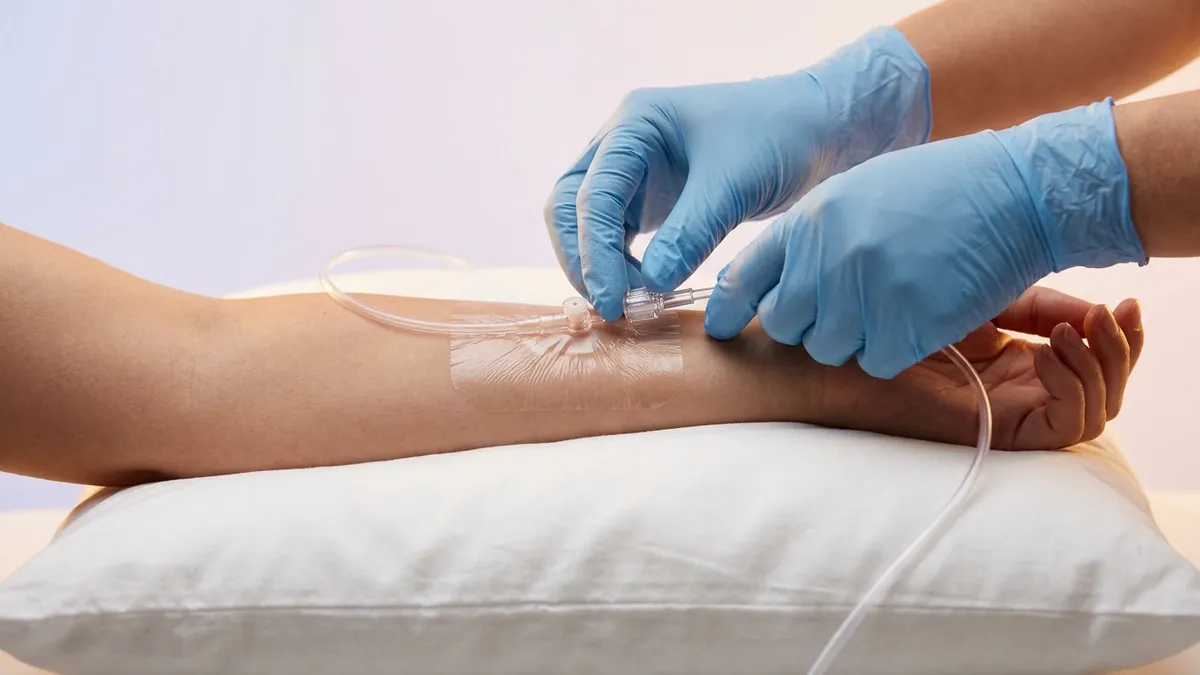
When your doctor recommends infusion treatment, understanding its clinical meaning, causes for needing intravenous care, normal ranges for vital signs and lab checks, and your practical next steps takes the mystery right out of the process. Many people hear the word "infusion" and immediately picture an intensive hospital ward. Yet today, we doctors arrange comfortable outpatient drip sessions every single day in neighborhood infusion suites, specialist clinics, and even at home with visiting nurses.
Have you ever wondered why certain medicines cannot simply be swallowed as a morning tablet with a glass of water? Think about it for a second: your stomach acid and digestive enzymes are designed to break down complex proteins—which means delicate modern medications would be destroyed long before they ever reached your bloodstream. Delivering medicine directly into a vein solves that problem completely.
Whether you are preparing for a routine iron replenishment, targeted autoimmune biologics, or specialized neurological care, knowing how your treatment works puts you firmly in control. Let us walk through how intravenous therapy operates inside your body, what numbers your care team watches, and how you can make every session smooth and safe.
📌 Key Takeaways at a Glance
- Direct 100% Absorption: Intravenous (IV) infusion delivers liquid medication straight into your bloodstream, bypassing stomach digestion and liver breakdown for reliable, predictable results.
- Wide Clinical Uses: Common reasons include severe iron-deficiency anemia, deep bacterial infections, inflammatory bowel or joint conditions, cancer therapies, and multiple sclerosis.
- Controlled Pump Safety: Unlike a quick injection, smart electronic pumps regulate drip rates gradually while nurses track your blood pressure, heart rate, temperature, and oxygen levels.
- Simple Preparation Works Wonders: Drinking plenty of water the day before, eating a light meal, and taking prescribed pre-medications dramatically lowers mild side effects.
- Know Your Red Flags: Mild flushing or tiredness is common and manageable, whereas sudden wheezing, throat tightness, hive outbreaks, or chest pain requires immediate emergency care.
What Is Infusion Treatment? Clinical Meaning & How IV Infusion Therapy Works
Infusion treatment (parenteral infusion therapy) is a controlled medical procedure that delivers liquid medication, fluids, or nutrients directly into a vein or tissue through a sterile catheter. By bypassing stomach digestion, it achieves complete, predictable absorption when oral tablets work too slowly, irritate the gut, or break down before reaching target organs.
Look at what happens inside your body when you swallow a standard pill. First, that tablet has to dissolve in harsh stomach acid, squeeze across your intestinal wall, and pass straight through your liver—a filtering checkpoint we doctors call first-pass hepatic metabolism. Along the way, a huge fraction of the active medicine can get neutralized. Pretty surprising, right? With iv infusion treatment, the medication enters your venous circulation directly, giving it 100% bioavailability right where it is needed.
We also distinguish between two closely related delivery methods that patients often mix up. An intravenous push (bolus injection) delivers a small syringe of medicine over 1 to 5 minutes for rapid action. By contrast, true infusion therapy treatment uses gravity or a computerized smart pump to drip diluted medication steadily over 15 minutes to several hours. While intravenous lines are the most common, infusions can also run beneath the skin (subcutaneous infusion) or into spinal fluid spaces (epidural or intrathecal infusion) depending on your specialist's plan.
Why Do Doctors Recommend Infusion Therapy Treatment? Common Causes & Conditions
You might ask yourself, "If pills are easier to take at home, what causes a doctor to choose an IV drip instead?" In general family practice, we doctors usually start by reviewing your symptoms, examining you, and running baseline blood tests at your Primary Care Physician (PCP) or family GP clinic. When oral medications fail, cause severe stomach upset, or simply do not exist in pill form, we refer you to a specialist or outpatient infusion unit.
- Targeted Autoimmune Biologics: Lab-engineered proteins called monoclonal antibodies (biologic therapies) calm overactive immune attacks in rheumatoid arthritis, psoriatic arthritis, lupus, Crohn's disease, and ulcerative colitis.
- Severe Nutritional or Iron Depletion: When gut inflammation, heavy menstrual bleeding, or chronic kidney disease blocks iron absorption, IV iron restores depleted body stores far faster than months of constipating iron pills.
- Stubborn or Deep-Seated Infections: Bone infections (osteomyelitis), heart valve infections, or antibiotic-resistant bacteria often require potent intravenous antibiotics or antifungals.
- Immune Deficiencies & Oncology Care: Pooled protective antibodies (intravenous immunoglobulin, or IVIg) shield patients with weak immune systems, while oncology infusions deliver chemotherapy and modern immunotherapies.
- Severe Fluid & Electrolyte Loss: Persistent vomiting, heat exhaustion, or post-surgical recovery may require balanced electrolyte fluids (crystalloid hydration) when your stomach cannot keep liquids down.
Now that makes sense, right? Choosing an infusion does not automatically mean your condition is worsening—most often, it simply means modern medicine has a cleaner, more direct delivery route for you.
How Does Infusion for MS Treatment Work for Multiple Sclerosis?
Infusion for MS treatment delivers high-efficacy disease-modifying therapies (DMTs) directly into the bloodstream to stop misguided immune cells from stripping away the protective coating (myelin sheath) around brain and spinal cord nerves. These targeted infusions significantly reduce relapse rates and slow physical disability progression in relapsing and active multiple sclerosis.
Remember how we talked earlier about complex protein medicines getting destroyed in the stomach? That is the exact reason multiple sclerosis infusion treatment has become such a game-changer in neurology. Instead of taking daily pills or giving yourself frequent home injections, infusions allow neurologists to administer long-acting monoclonal antibodies on convenient, spaced-out schedules.
Two main mechanisms lead the way here. Anti-CD20 therapies—such as ocrelizumab or ublituximab—selectively pause a specific group of white blood cells (CD20-positive B-cells) that trigger nerve inflammation, typically requiring an infusion only once every 6 months after your starter doses. Meanwhile, cell-trafficking blockers like natalizumab act like a security gatekeeper every 4 weeks, preventing inflammatory immune cells from crossing the blood-brain barrier. Before starting, we doctors coordinate closely with your neurologist to check essential safety labs, especially a blood test for John Cunningham virus (JCV) antibodies, alongside Hepatitis B and tuberculosis screening, ensuring your immune system stays protected against rare opportunistic infections.
What Are the Normal Ranges, Dosing Schedules & Stepwise Preparation Rules?
Patients frequently search for "normal ranges" before their appointment because clinic screens display plenty of numbers! While medication dosages are tailored to your body weight, kidney function, and diagnosis, infusion nurses monitor strict physiological reference ranges before, during, and after every drip to keep you safe.
- Vital Sign Normal Ranges During Infusions: Nurses check that your resting blood pressure sits comfortably below 140/90 mmHg (typically pausing or reviewing with a doctor if systolic pressure climbs above 180 mmHg or drops under 90 mmHg). Normal adult heart rate runs 60 to 100 beats per minute, oxygen saturation (pulse oximetry) stays between 95% and 100%, and oral temperature remains 36.1°C to 37.2°C (97°F to 99°F).
- Fever & Infection Cutoffs: An active fever above 38.0°C (100.4°F) or an active bacterial/viral infection is a standard temporary hold rule for biologic and MS infusions until you recover.
- Key Baseline Blood Test Cutoffs: On a blood count check (complete blood count / full blood count), doctors generally look for an absolute neutrophil count (ANC) above 1,500 cells/µL and healthy liver enzymes before immunosuppressive drips. For IV iron, referrals frequently happen when serum ferritin drops below 30 ng/mL (or below 100 ng/mL alongside transferrin saturation under 20% in chronic conditions).
- Stepwise Rate Titration & Pre-Medication: Infusions rarely start at full speed. Nurses begin slowly—often 25 to 50 mL per hour for the first 15 to 30 minutes—stepping up gradually as your body settles in. Taking prescribed pre-medications 30 to 60 minutes ahead, such as acetaminophen (paracetamol), an antihistamine like cetirizine or diphenhydramine, and occasionally a mild steroid, keeps rate-related reactions away.
How Do IV Access Options, Reactions & Daily Care Steps Compare?
Whether you are receiving a single 30-minute iron drip or ongoing 3-hour biologic sessions, knowing what different lines and physical sensations mean helps you speak up early. Here is a straightforward breakdown of common infusion factors and exactly how to handle them.
| Infusion Factor or Clinical Finding | Clinical Meaning & Action Step |
|---|---|
| Peripheral IV Cannula (Hand or Forearm Vein) | A short, flexible plastic tube placed into a surface vein for single or infrequent outpatient infusions, removed right before you head home. What you should do: Drink 6 to 8 glasses of water the day before your visit and keep your arms warm in a cozy cardigan so veins stay plump and easy to locate. |
| Central Line, PICC Line, or Implanted Port | A longer catheter leading to a large chest vein, placed by a hospital radiology or surgical team when you need frequent, multi-week, or vein-irritating medications. What you should do: Keep the dressing completely dry when showering, never tug on tubing, and attend scheduled nurse flushing appointments to prevent clots or infection. |
| Mild Rate-Related Reaction (Warm Flushing, Mild Headache, Light Itching) | A common, non-allergic response caused by cellular chemical release (cytokine release) when a biologic or iron drip runs slightly faster than your body prefers. What you should do: Press your nurse call button right away; simply pausing the pump for 15 minutes and restarting at half speed usually resolves symptoms completely. |
| Local Site Pain, Coolness, or Swelling (Phlebitis or Extravasation) | Vein wall irritation (phlebitis) or fluid slipping outside the vein into surrounding skin tissue (extravasation), causing tightness, stinging, or puffiness. What you should do: Alert your nurse immediately rather than toughing it out—stopping the line early and applying a warm or cool compress as directed protects your skin. |
| Delayed 24–48 Hour Tiredness ("Infusion Hangover") | Mild fatigue, muscle achiness, or sluggishness a day after immune or iron therapies as your immune system or bone marrow actively responds. What you should do: Plan a light schedule the day after treatment, sip plenty of water or herbal tea, eat nourishing meals, and rest until your energy rebounds. |
See? Most minor hiccups during an outpatient visit are solved in minutes simply by adjusting the pump speed! Unless you have been given specific fasting instructions for a separate blood test, eat a balanced, easy-to-digest meal beforehand—like oatmeal (porridge) with banana, whole-grain toast with scrambled eggs, or crackers with soup—so your blood sugar stays steady throughout your appointment.
✔️ What You Should Do & ❌ What to Avoid
- ✔️ DO hydrate well for 24 hours beforehand: Sipping water, clear broth, or decaffeinated herbal tea plumps up peripheral veins and cuts down post-infusion headaches.
- ✔️ DO tell your team about recent illnesses or vaccines: Always notify your PCP/GP or infusion nurse if you have a cough, urinary burning, dental infection, or upcoming live vaccination.
- ✔️ DO dress in loose, layered clothing: Clinic chairs can feel chilly, and roll-up sleeves let nurses check your blood pressure cuff and IV site easily.
- ❌ DON'T skip prescribed pre-medications: If instructed to take acetaminophen (paracetamol) or an antihistamine at home before arrival, take it right on schedule.
- ❌ DON'T drive yourself home after sedating pre-meds: Antihistamines like diphenhydramine cause real drowsiness—arrange a family lift or rideshare after your session.
- ❌ DON'T ignore delayed skin rashes or joint aches: Report new rashes, dark urine, or persistent fevers appearing days later to your prescribing clinic promptly.
🚨 When to Seek Immediate Emergency Care (Red-Flag Symptoms)
If you or someone near you develops any of these red-flag symptoms, do not wait — call 911 (US & Canada), 999 or 111 (UK), or 000 (Australia) immediately or go straight to the nearest hospital Emergency Room (ER / A&E):
- Signs of a severe allergic reaction (anaphylaxis): Sudden shortness of breath, wheezing, swelling of your lips, tongue, or throat, widespread raised hives, or trouble swallowing.
- Cardiovascular distress: Chest pain, tightness, racing or irregular heartbeats, or sudden severe dizziness and fainting during or after an infusion.
- High fever with shaking chills (rigors): A temperature of 38.0°C (100.4°F) or higher, especially if you have a PICC line or implanted port, which requires urgent evaluation for bloodstream infection.
- Severe skin blistering or spreading redness at the IV site: Rapidly worsening pain, dark skin discoloration, pus, or red streaks tracking up your arm.
- New neurological changes on MS or biologic therapy: Sudden one-sided weakness, vision loss, confusion, severe unsteadiness, or slurred speech.
💡 Key Take-Home Message
- Infusion treatment is a safe, precision way to deliver medications at 100% strength when oral pills cannot survive digestion or act fast enough.
- Careful pre-infusion blood tests, steady smart-pump rate adjustments, and continuous vital-sign checks keep outpatient sessions predictable and low-risk.
- Good hydration, honest symptom reporting—even for minor flushing or IV tenderness—and partnership with your PCP/GP and specialist make every session smoother.

No comments yet. Be the first to share your question or experience below.