
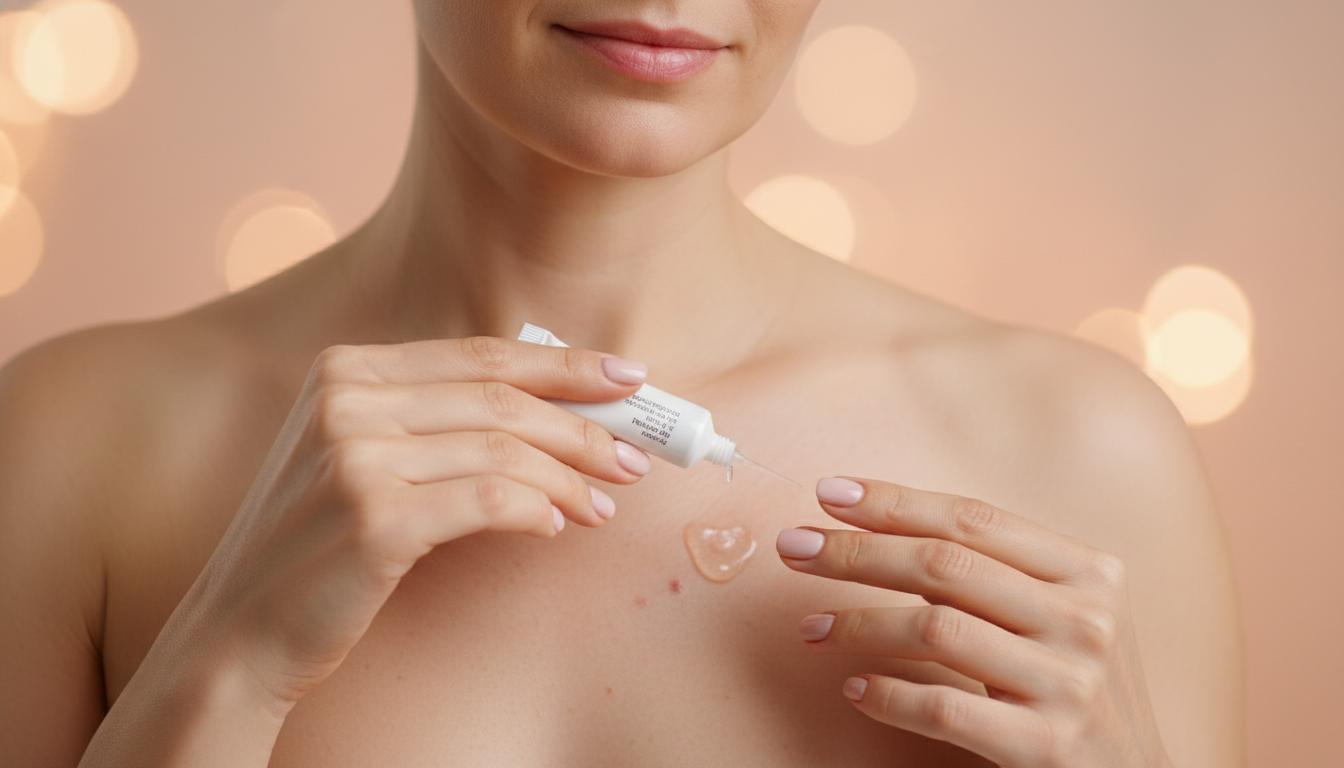
Have you noticed rough, scaly, or bumpy patches on your skin, especially in areas that get a lot of sun? If these spots feel a bit like sandpaper when you touch them, you might be dealing with a common skin condition called actinic keratosis. Simply put, actinic keratosis happens when ultraviolet rays from the sun damage your skin cells over time.
Because these rough spots can sometimes turn into skin cancer, treating them early is very important. To help clear up these spots, your doctor may have prescribed a medicine called ingenol mebutate gel, which is sometimes sold under the brand name Picato. Today, we will talk all about this medicine, how to use it safely, and what important things you need to keep in mind.
BMI Calculator
Know your body mass index (BMI) and weight classification
Things to Tell Your Doctor Before Using This Medicine.
Let us imagine your doctor just prescribed this ingenol mebutate gel for you. Before you start using it, there are several important things you need to tell your doctor or pharmacist. Sharing this information honestly helps keep you safe. Your doctor uses these details to decide if this medicine is right for you or if you need special safety steps.
- If you have or had cancer: Make sure to tell your doctor about any history of skin cancer. Some medicines can react poorly if you have active cancer conditions.
- If you have other skin problems: Tell your doctor if your skin is easily irritated, prone to rashes, or if you have conditions like eczema or psoriasis. This gel can sometimes make those skin issues much worse.
- If you have a skin infection: Let your doctor know if you have any bacterial or fungal infections, or open cuts near the area where you need to apply the gel. Applying this medicine over an active infection can make the infection worse.
- If you have allergies: Tell your doctor if you have had an allergic reaction to ingenol mebutate, other medicines, foods, dyes, or preservatives. Symptoms like skin rashes, itching, or trouble breathing are important to mention.
- If you are pregnant or trying to get pregnant: This is very important because some medicines can harm an unborn baby during pregnancy. Never skip telling your doctor about this.
- If you are breastfeeding: Certain medicines can pass into breast milk and might harm a nursing baby. Always let your doctor know if you are nursing.
Sharing these details helps your doctor choose the safest treatment option for your specific health needs. Always remember that your personal safety comes first.
How to Apply This Gel Correctly.
Knowing the right way to use this medicine is essential. Following the exact instructions helps you get the best results while keeping side effects as low as possible. Always follow your doctor and pharmacist instructions carefully.
- Apply only to the skin: This medicine is for external use only. Apply it only to the affected skin area with the actinic keratosis spot, spreading it as a thin layer. Avoid getting it on healthy skin around the spot.
- Let it dry for 15 minutes: After applying the gel, leave the area alone for about 15 minutes to let it dry completely. Keep the area uncovered and away from your clothing while it dries.
- Do not wash, touch, or sweat for 6 hours: For 6 hours after applying the gel, do not wash the area, touch it, rub it tightly, or do exercises that make you sweat heavily. Doing so can lower how well the medicine works or cause unwanted skin irritation.
- Wash gently after 6 hours: After 6 hours have passed, you can gently wash the area using mild soap and lukewarm water. Do not scrub the skin hard.
- Follow your schedule: Use the medicine for the exact number of days and times your doctor recommended. Typically, you only need to use this gel for a short course of 2 or 3 days. Do not use more or less unless your doctor tells you to.
- Complete the full course: Even if your skin spot starts to look better after a day or two, keep using the medicine for the full number of days your doctor prescribed. Do not stop early unless your doctor tells you it is safe to do so.
Important: It is best to wear gloves when applying this medicine, especially if your skin on your hands is sensitive. If you do not wear gloves, wash your hands thoroughly with soap right away after applying the gel. This stops the medicine from accidentally spreading to other parts of your body.
Using This Medicine on Children.
This medicine is generally not prescribed for young children or teenagers. However, if your doctor prescribes it in a special case, talk with them very carefully about the risks. Children often need special care when using strong skin treatments. Always follow the advice of a pediatrician.
What to Do If You Use Too Much Gel.
If you think you used too much of this medicine, or if someone swallowed it by accident, go right away to the nearest hospital emergency department or call your local poison control center. Using too much can cause severe skin damage or internal harm.
This Medicine Is Just for You.
This is one of the most important rules to remember. Your doctor prescribed this medicine specifically for you and your unique skin condition. Never share this medicine with anyone else. Even if your neighbor has a similar rough spot on their skin, do not let them use your gel. Sharing it can cause them serious harm because everyone's skin is different and not every rough spot is actinic keratosis.
What to Do If You Miss a Dose.
It is normal to sometimes forget to take or apply your medicines amid a busy daily routine. If you forget to apply this gel, apply it as soon as you remember. However, if it is almost time for your next scheduled application, skip the missed dose and just apply your next dose at the normal time. Never apply two doses at the same time to make up for a missed one. Doing so raises your chances of getting bad side effects. If you feel unsure, ask your doctor or pharmacist for guidance.
Drug Interactions and Other Things to Avoid.
Generally, interactions between ingenol mebutate gel and other medicines are considered low. However, do not apply any other creams, lotions, oils, sunscreens, or skin products on the exact skin area where you put this gel unless your doctor tells you it is safe. Doing so can block the gel from working properly or cause bad skin reactions.
Make sure to tell your doctor about every product you use, including prescription medicines, over-the-counter drugs, herbal products, vitamins, and dietary supplements. Also tell your doctor if you smoke, drink alcohol, or use recreational substances. Being open about everything helps keep your treatment as safe as possible.
Extra Safety Precautions While Using This Gel.
There are a few extra things you should watch out for while using this medicine. Following these tips helps you get the best healing experience while lowering risks.
- Keep away from eyes, mouth, and nose: This is very important. Do not let this gel get inside your eyes, mouth, or nose. If it accidentally gets into your eye, rinse your eye right away with plenty of clean tap water for about 15 minutes. Then get medical help as soon as you can. If it gets in your mouth or nose, rinse well with water and call your doctor.
- Do not treat other skin issues: Only use this gel on the exact actinic keratosis spots your doctor diagnosed. Do not put it on regular acne, everyday blemishes, or other skin rashes, because it can make those conditions much worse.
- Prevent accidental exposure to others: This is another area that requires careful attention. Even after the gel dries, if the treated area touches another person's skin, especially a young child or a pet, they can absorb the medicine and experience side effects.
Imagine you applied the gel on your arm and then picked up a young baby. The medicine could rub off onto their skin. If you cannot stop your skin from touching someone else near the treated area, cover the treated spot with clothing. If the gel accidentally touches another person or a pet, wash their skin right away with soap and water.
- Be aware of skin cancer risks: Actinic keratosis is a condition that can turn into skin cancer later on. While this treatment lowers that risk, talk with your doctor about your overall skin cancer risk factors. You may need to take extra steps, such as wearing sunscreen, wearing a wide-brimmed hat, and covering up with protective clothing when you go out in the sun.
Possible Side Effects of This Medicine.
Like all medicines, ingenol mebutate gel can cause side effects in some people, though not everyone gets them. Some side effects are serious and require you to call a doctor right away. Other side effects are mild and go away on their own. Skin reactions right where you apply the gel are very common and expected.
Side effects that need a doctor right away:
- Severe allergic reactions: Sudden and widespread skin rashes, severe itching, hives, swelling of your face, lips, tongue, or throat, and trouble breathing. If this happens, it is a medical emergency; get help right away.
- Severe skin reactions: Extreme burning pain, severe itching, thick scabs, skin peeling off, or deep blisters. Mild irritation is normal, but severe pain, spreading redness, or blistering needs a doctor's attention.
- Eye problems: Eye pain, redness, or blurry vision. Even if the gel did not get in your eye, tell your doctor if vision changes occur.
- Severe redness, blistering, and skin breakdown: Severe skin erosion or raw areas on your skin or inside your mouth can happen if the product spreads improperly.
Common side effects that usually do not need urgent care (but tell your doctor if they bother you):
- Headache.
- Mild itching, redness, dryness, swelling, or flaking skin right where you applied the gel (these usually fade away within a few days).
- Runny nose or sore throat.
This list does not cover every possible side effect. If you notice any other unusual symptoms, talk with your doctor or pharmacist. You can also report side effects to health authorities if you wish. In the US, you can report them to the FDA. In the UK or Europe, report them through the Yellow Card scheme, or speak with your local doctor.
How to Store This Medicine Properly.
Storing your medicines correctly is important to keep them effective and safe. If you store them poorly, the medicine can lose its strength or spoil.
- Keep out of reach of children and pets: This is vital. If young children or pets find and touch or swallow this gel, it can cause a serious health emergency.
- Store in a refrigerator: Keep this gel in a refrigerator at temperatures between 2°C and 8°C (36°F to 46°F). Place it in the main body of the fridge, not in the freezer compartment.
- Do not freeze: Never freeze this gel. Freezing ruins the chemical structure and makes the medicine useless.
- Check expiration dates: Look at the expiration date printed on the packet or tube. If that date has passed, do not use the medicine. Safely throw away any leftover or expired gel.
How to Throw Away Unused or Expired Medicine.
Throwing away medicines correctly matters. Dropping medicines straight into regular household trash without care or flushing them down the toilet is generally unsafe and can harm the environment or water supplies.
- Medicine take-back programs: Many pharmacies and community health centers have drug take-back programs where you can return old medicines safely. Ask your local pharmacist if they offer this service.
- Check the label instructions: Look at the medicine package leaflet to see if specific disposal instructions are listed.
- Ask your pharmacist: If you are unsure how to throw away your tube, ask your pharmacist or doctor for help.
- Disposing in household trash (if allowed): If safe disposal guidelines allow you to throw it in the trash, mix the unused gel with unappealing substances like used coffee grounds, cat litter, or dirt. Seal it tightly inside a disposable bag or container before putting it in your trash bin. This prevents children or animals from finding and eating it.
Final Things to Remember.
We have covered a lot of important details about ingenol mebutate gel. Simply put, this gel is a medical treatment for actinic keratosis, which are rough patches on the skin caused by sun damage. Treating these spots is important because they can potentially turn into skin cancer later on.
The most important rule is to use this medicine only as directed by your doctor. Never use it differently than prescribed or share it with others.
- Tell your doctor about your health history, other medicines, and allergies.
- Follow the application steps, drying times, and washing instructions carefully.
- Keep the gel away from your eyes, mouth, and nose.
- Watch for side effects and talk to your doctor if anything feels severe or abnormal.
- Store your gel safely in the refrigerator away from children and pets.
- Remember that this medicine is meant only for you, not for anyone else.
If you have any further questions, feel free to talk with your doctor, pharmacist, or nurse. They are always ready to help you stay safe, healthy, and informed!
Key terms: Ingenol Mebutate, Actinic Keratosis, skin gel, skin conditions, skin cancer, drug side effects, topical skin medicines, Picato






No comments yet. Be the first to share your question or experience below.