
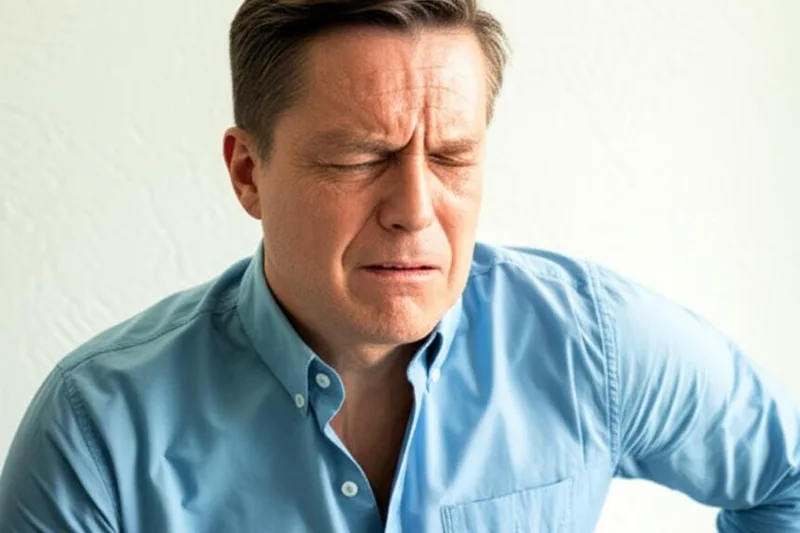
Do you also have kidney stones? (Kidney Stones) - Let's talk about this in detail!

Do you also have kidney stones? (Kidney Stones) - Let's talk about this in detail!

Have you ever had a sudden, unbearable pain in your back or lower abdomen, along with difficulty urinating? Or have you had some blood in your urine? If you have these symptoms, you may have kidney stones. Don't worry, let's find out more about this today.

What are these kidney stones?

Simply put, kidney stones are hard, stone-like structures that form inside our kidneys. These stones are formed when certain substances in our urine, such as minerals and acids, combine. They can be as small as a grain of sand, or very rarely, they can be as large as a golf ball. Doctors also call these "renal calculi."

Imagine, if the stone in your kidney is very small, you may not have any symptoms and it may pass out with your urine. However, if it is a bit larger, it may get stuck in the tube that carries urine from the kidney to the bladder, the ureter. That's when the problems start. The urine doesn't flow properly and starts to pool, the kidneys can't do their job of filtering waste properly, and sometimes there may even be bleeding.

It usually takes about three weeks for a stone like this to pass through the urine on its own. However, even small stones can sometimes cause unbearable pain. Large stones may need to be broken up by a doctor or surgically removed.

How common are kidney stones?

This is actually a more common condition than you might think. On average, about one in ten people will develop kidney stones in their lifetime. This condition is especially common in men between the ages of 30 and 40.

What are the symptoms of kidney stones?

The most common symptom is severe pain in the lower back, side of the abdomen, or groin. This pain may be constant or come and go. It is sometimes called ``colicky pain'' because it comes in waves.

In addition to this pain, there may be other symptoms:

  • Nausea and vomiting.
  • Blood in the urine (the urine may be red, pink, or brown).
  • Feeling pain when urinating.
  • Inability to urinate or very little urine.
  • The feeling of having to urinate frequently.
  • Fever and chills (this could be a sign of an infection).
  • Urine that is dark in color or has a foul odor.

Remember, if you have very small stones, you may not have any pain or other symptoms.

Why do these kidney stones form?

Our urine contains various substances like calcium, sodium, oxalate, and uric acid. When we drink less water, or when these substances become too much in our urine, they stick together, clump together, and form stones. These stones don't form overnight, but gradually over months, sometimes years.

Are there different types of kidney stones?

Yes, these stones are classified according to the material they are made of. There are several main types:

  • Calcium-oxalate and calcium phosphate stones: These are the most common types. These stones can form when you eat too many foods high in oxalate (such as spinach and some nuts), eat a diet low in calcium, and don't drink enough water.
  • Uric acid stones: People who eat a lot of animal protein (such as beef, chicken, pork, fish, and eggs) are at higher risk of developing this type of stone.
  • Struvite stones: These are usually caused by bacterial infections. If you have frequent urinary tract infections, you may develop a very large, staghorn calculus. These stones must be removed surgically.
  • Cystine stones: These are a bit rare. They are caused by a genetic condition called cystinuria. Cystine is a type of amino acid.

What are the risk factors for kidney stones?

Some people are more likely to develop kidney stones. Here are some factors that may contribute to this:

  • Not drinking enough water: This is the main reason.
  • Eating more meat, fish and other protein-rich foods.
  • Eating a diet high in salt (sodium) and sugar (especially sucrose and fructose).
  • Taking vitamin C supplements unnecessarily.
  • If someone in your family has had kidney stones (hereditary tendency).
  • Having some kind of obstruction in the urinary tract.
  • If you have had surgery on your stomach or intestines (e.g., gastric bypass surgery).
  • If you continue to use certain medications (e.g., some diuretics, calcium-based antacids, and some medications for epilepsy).
  • Having certain other medical conditions.

Conditions that increase the risk of kidney stones

There are certain medical conditions that increase the risk of developing kidney stones. Here are some examples:

  • `(Cystic fibrosis)`
  • Cystinuria, a genetic disease in which cystine accumulates in the body
  • Diabetes
  • Gout
  • High blood pressure
  • Increased calcium levels in the urine (hypercalciuria)
  • Inflammatory bowel disease (IBD)
  • Kidney cysts
  • Obesity
  • Osteoporosis
  • Parathyroid disease
  • `(Primary hyperoxaluria)` (a condition in which oxalate is produced excessively)
  • Conditions such as paralysis (Hemiplegia or paraplegia)

What are the possible complications of kidney stones?

Kidney stones are not just there, they can sometimes cause serious problems.

  • The urinary tract becomes blocked, urine flows backward, and the kidney swells (hydronephrosis).
  • Kidney infection (pyelonephritis).
  • Acute kidney injury (this can sometimes be cured).
  • Frequent occurrence of urinary tract infections (UTIs).
  • Risk of developing Chronic Kidney Disease (CKD).

How do you know if you have kidney stones?

If a doctor suspects something is wrong based on your symptoms, he or she will order several tests.

  • Urine test: This can check for blood in the urine, crystals that can form stones, and signs of infection.
  • Imaging tests: X-rays, CT scans (computed tomography scans), and ultrasound scans can help determine the size, shape, location, and number of stones.
  • Blood tests: These can help determine factors that may contribute to stone formation, such as kidney function, infection, and blood calcium levels.

How are kidney stones treated?

If you have a small stone that is likely to pass on its own, your doctor will tell you to watch for symptoms and wait for it to pass. In the meantime, they may prescribe medication to help reduce pain and help the stone pass more easily.

However, if there are large stones, treatment will depend on factors such as their size, location, whether they are causing infection, and how severe the symptoms are. If the stone does not pass on its own after a few weeks or if there is a blockage, a doctor may recommend breaking up the stone and removing it, or surgically removing it.

Medicines

For someone with small stones that pass on their own and are not infected, a doctor may prescribe medications like these:

  • Medicines that relax the muscles inside the ureter and help stones pass more easily: for example, medicines like tamsulosin (Flomax®) and nifedipine (Adalat® or Procardia®).
  • Medicine to control nausea and vomiting.
  • Pain management medication: Even small stones can sometimes cause severe pain. A doctor may prescribe painkillers. However, be sure to ask a doctor before taking medications like ibuprofen.Taking these when you have severe pain from kidney stones may increase your risk of developing kidney failure, especially if you have other medical conditions.

Special treatments for kidney stones

If there are stones that cannot pass on their own or are blocking the urinary tract, a doctor may recommend a special procedure to break up and/or remove the stones. This will depend on factors such as the size and location of the stone.

  • Shockwave lithotripsy (SWL): This involves using a special device outside the body to send high-energy shock waves to break up the stone. The crushed pieces are then easily passed out in the urine.
  • Ureteroscopy: In this procedure, a doctor inserts a thin camera-equipped instrument (scope) through the urethra , through the bladder, into the ureter, and finds the stone. Then, using other fine instruments passed through the instrument, the stone is broken up or removed in pieces.
  • Percutaneous nephrolithotomy (PCNL): This procedure is used if other methods fail to remove the stone . This involves making a small incision in the skin, passing a tube directly into the kidney, and using something like ultrasound waves to break up the stone and remove it.
  • Laparoscopic surgery: This involves making several small incisions in the abdomen and inserting a camera and fine instruments to remove the stone. Very rarely, open surgery, which involves making a large incision, may be necessary.

Do kidney stones go away on their own?

Yes, about 80 percent of kidney stones pass out on their own with urine. The time it takes varies depending on the size and location of the stone. A stone smaller than 4 millimeters (mm) can pass within a week or two. A stone larger than that may take about two to three weeks. Once the stone reaches the bladder, it usually passes out within a few days.

The most important thing is that if you think you have kidney stones, you should definitely see a doctor, have them checked out, and check for any complications like a urinary tract blockage. If the stone hasn't passed after four to six weeks, you should see a doctor again.

Can kidney stones be prevented?

What we eat and drink has a big impact on our risk of developing kidney stones. Talk to your doctor or a dietitian about ways to reduce your risk. They may recommend things like:

  • Drink plenty of water: at least 2-3 liters a day.
  • Limit animal proteins (meat, fish).
  • Reduce foods high in sugar and salt.
  • Limit foods high in oxalates: If you are prone to calcium oxalate stones, you may be advised to reduce your intake of foods like spinach, peanuts, and wheat bran.
  • Maintain a healthy weight that suits you.
  • Eat calcium-rich foods: This may sound surprising, but calcium-rich foods can actually help prevent kidney stones. However, calcium supplements and antacids containing calcium are not helpful. They can actually increase the risk of stones.
  • Prescription medications: If changes to your diet aren't enough, a doctor may prescribe medications to help prevent kidney stones. It depends on the type of stone you have.

What to expect if you have kidney stones?

About 90% of small stones less than 6 mm in size and about 60% of large stones greater than 6 mm in size pass on their own. If there is a large stone or if it is blocking the flow of urine, it may need to be crushed or removed. Sometimes, even small stones that are thought to pass on their own can gradually grow larger or move to cause obstruction.

If you have had kidney stones once, you are more likely to develop them again in the future. Therefore, you will need to continue making dietary changes and possibly taking medication.

What is the best way to get rid of kidney stones quickly?

If your doctor thinks the stone will pass on its own, then you should drink plenty of water to help it pass. Take your medication exactly as prescribed. Follow your doctor's instructions about what to eat and what not to eat.

Is it possible to live a normal life with kidney stones?

Kidney stones don't have to stop your daily activities or diminish your enjoyment of life. Kidney stones are not permanent, as they pass through urine and there are treatments available.

Do kidney stones cause kidney disease?

If you have kidney stones, you are at risk of developing more stones and also of developing chronic kidney disease.

Are kidney stones fatal?

No. Kidney stones do not cause death.

When should I see a doctor?

If you have symptoms of kidney stones, see a doctor without delay. If you have a stone, knowing where it is and how big it is is very important to get treatment and prevent complications.

When should I go to the emergency room?

If the pain is unbearable, go to the emergency room immediately. They will give you medication for the pain and any nausea/vomiting you have.

What questions should I ask my doctor?

When you meet with your doctor, you can ask questions like these:

  • Do I have kidney stones, or is there another cause for these symptoms?
  • What type of kidney stone do I have?
  • How big is my kidney stone?
  • Where is it?
  • How many stones do I have?
  • Do I need treatment, or will this go away on its own?
  • Should I get tested for kidney disease?
  • What changes do I need to make to my diet?
  • What is the best treatment for me to remove stones?

Finally, take-home message:

Kidney stones can be a very annoying and painful condition at times. However, to prevent the condition from getting worse, it is important to see a doctor as soon as possible and seek advice. The pain can be severe, and surgery may be necessary. Remember: take your medications exactly as prescribed, drink plenty of water, and follow your diet. Also, kidney stones are a temporary condition. They won't bother you forever. Be healthy!

👩🏽‍⚕️ Additional questions (FAQs)

💬 Does kidney stones really mean that they are like a type of stone?

These are not real stones. They are formed when minerals like calcium, oxalate, and uric acid in our urine clump together, forming a clump like sugar cubes. Some stones are as small as a grain of sand, while others can grow as large as a golf ball.

💬 How do you know if you have a kidney stone?

A stone does not hurt as long as it is in one place. But if the stone moves down the ureter, it can cause unbearable pain in the back and lower abdomen (along with vomiting). Doctors say that this pain is exactly like the pain of childbirth.

💬 Do I need to have an operation for this?

If you drink a lot of water, small stones will pass out with your urine. But if the stone is large and stuck in the urethra, it is no longer necessary to cut it into large pieces. There are modern methods that can crush the stone and remove it, either with laser lithotripsy or by sending sound waves.


` Kidney Stones, Kidney Stones, Kidney Disease, Urinary Stones, Back Pain, Renal Calculi, Kidney Stone Treatment

Frequently Asked Questions (FAQ)

Are there different types of kidney stones?

Yes, these stones are classified according to the material they are made of. There are several main types:

⚠️ Important: The medical articles and information on Nirogi Lanka are for general awareness only, and are by no means a substitute for professional medical advice, diagnosis, or treatment. For any medical problem you have, consult a qualified physician immediately.

💬 Comments (0)

No comments yet. Be the first to share your thoughts here.

Add Your Comment

Please calculate: 6 + 3 =
Do you also have kidney stones? (Kidney Stones) - Let's talk about this in detail!
Nutrition and FoodJuly 5, 2026

Do you also have kidney stones? (Kidney Stones) - Let's talk about this in detail!

Have you ever had a sudden, unbearable pain in your back or lower abdomen, along with difficulty urinating? Or have you had some blood in your urine? If you have these symptoms, you may have kidney stones. Don't worry, let's find out more about this today.

What are these kidney stones?

Simply put, kidney stones are hard, stone-like structures that form inside our kidneys. These stones are formed when certain substances in our urine, such as minerals and acids, combine. They can be as small as a grain of sand, or very rarely, they can be as large as a golf ball. Doctors also call these "renal calculi."

Imagine, if the stone in your kidney is very small, you may not have any symptoms and it may pass out with your urine. However, if it is a bit larger, it may get stuck in the tube that carries urine from the kidney to the bladder, the ureter. That's when the problems start. The urine doesn't flow properly and starts to pool, the kidneys can't do their job of filtering waste properly, and sometimes there may even be bleeding.

It usually takes about three weeks for a stone like this to pass through the urine on its own. However, even small stones can sometimes cause unbearable pain. Large stones may need to be broken up by a doctor or surgically removed.

How common are kidney stones?

This is actually a more common condition than you might think. On average, about one in ten people will develop kidney stones in their lifetime. This condition is especially common in men between the ages of 30 and 40.

What are the symptoms of kidney stones?

The most common symptom is severe pain in the lower back, side of the abdomen, or groin. This pain may be constant or come and go. It is sometimes called ``colicky pain'' because it comes in waves.

In addition to this pain, there may be other symptoms:

  • Nausea and vomiting.
  • Blood in the urine (the urine may be red, pink, or brown).
  • Feeling pain when urinating.
  • Inability to urinate or very little urine.
  • The feeling of having to urinate frequently.
  • Fever and chills (this could be a sign of an infection).
  • Urine that is dark in color or has a foul odor.

Remember, if you have very small stones, you may not have any pain or other symptoms.

Why do these kidney stones form?

Our urine contains various substances like calcium, sodium, oxalate, and uric acid. When we drink less water, or when these substances become too much in our urine, they stick together, clump together, and form stones. These stones don't form overnight, but gradually over months, sometimes years.

Are there different types of kidney stones?

Yes, these stones are classified according to the material they are made of. There are several main types:

  • Calcium-oxalate and calcium phosphate stones: These are the most common types. These stones can form when you eat too many foods high in oxalate (such as spinach and some nuts), eat a diet low in calcium, and don't drink enough water.
  • Uric acid stones: People who eat a lot of animal protein (such as beef, chicken, pork, fish, and eggs) are at higher risk of developing this type of stone.
  • Struvite stones: These are usually caused by bacterial infections. If you have frequent urinary tract infections, you may develop a very large, staghorn calculus. These stones must be removed surgically.
  • Cystine stones: These are a bit rare. They are caused by a genetic condition called cystinuria. Cystine is a type of amino acid.

What are the risk factors for kidney stones?

Some people are more likely to develop kidney stones. Here are some factors that may contribute to this:

  • Not drinking enough water: This is the main reason.
  • Eating more meat, fish and other protein-rich foods.
  • Eating a diet high in salt (sodium) and sugar (especially sucrose and fructose).
  • Taking vitamin C supplements unnecessarily.
  • If someone in your family has had kidney stones (hereditary tendency).
  • Having some kind of obstruction in the urinary tract.
  • If you have had surgery on your stomach or intestines (e.g., gastric bypass surgery).
  • If you continue to use certain medications (e.g., some diuretics, calcium-based antacids, and some medications for epilepsy).
  • Having certain other medical conditions.

Conditions that increase the risk of kidney stones

There are certain medical conditions that increase the risk of developing kidney stones. Here are some examples:

  • `(Cystic fibrosis)`
  • Cystinuria, a genetic disease in which cystine accumulates in the body
  • Diabetes
  • Gout
  • High blood pressure
  • Increased calcium levels in the urine (hypercalciuria)
  • Inflammatory bowel disease (IBD)
  • Kidney cysts
  • Obesity
  • Osteoporosis
  • Parathyroid disease
  • `(Primary hyperoxaluria)` (a condition in which oxalate is produced excessively)
  • Conditions such as paralysis (Hemiplegia or paraplegia)

What are the possible complications of kidney stones?

Kidney stones are not just there, they can sometimes cause serious problems.

  • The urinary tract becomes blocked, urine flows backward, and the kidney swells (hydronephrosis).
  • Kidney infection (pyelonephritis).
  • Acute kidney injury (this can sometimes be cured).
  • Frequent occurrence of urinary tract infections (UTIs).
  • Risk of developing Chronic Kidney Disease (CKD).

How do you know if you have kidney stones?

If a doctor suspects something is wrong based on your symptoms, he or she will order several tests.

  • Urine test: This can check for blood in the urine, crystals that can form stones, and signs of infection.
  • Imaging tests: X-rays, CT scans (computed tomography scans), and ultrasound scans can help determine the size, shape, location, and number of stones.
  • Blood tests: These can help determine factors that may contribute to stone formation, such as kidney function, infection, and blood calcium levels.

How are kidney stones treated?

If you have a small stone that is likely to pass on its own, your doctor will tell you to watch for symptoms and wait for it to pass. In the meantime, they may prescribe medication to help reduce pain and help the stone pass more easily.

However, if there are large stones, treatment will depend on factors such as their size, location, whether they are causing infection, and how severe the symptoms are. If the stone does not pass on its own after a few weeks or if there is a blockage, a doctor may recommend breaking up the stone and removing it, or surgically removing it.

Medicines

For someone with small stones that pass on their own and are not infected, a doctor may prescribe medications like these:

  • Medicines that relax the muscles inside the ureter and help stones pass more easily: for example, medicines like tamsulosin (Flomax®) and nifedipine (Adalat® or Procardia®).
  • Medicine to control nausea and vomiting.
  • Pain management medication: Even small stones can sometimes cause severe pain. A doctor may prescribe painkillers. However, be sure to ask a doctor before taking medications like ibuprofen.Taking these when you have severe pain from kidney stones may increase your risk of developing kidney failure, especially if you have other medical conditions.

Special treatments for kidney stones

If there are stones that cannot pass on their own or are blocking the urinary tract, a doctor may recommend a special procedure to break up and/or remove the stones. This will depend on factors such as the size and location of the stone.

  • Shockwave lithotripsy (SWL): This involves using a special device outside the body to send high-energy shock waves to break up the stone. The crushed pieces are then easily passed out in the urine.
  • Ureteroscopy: In this procedure, a doctor inserts a thin camera-equipped instrument (scope) through the urethra , through the bladder, into the ureter, and finds the stone. Then, using other fine instruments passed through the instrument, the stone is broken up or removed in pieces.
  • Percutaneous nephrolithotomy (PCNL): This procedure is used if other methods fail to remove the stone . This involves making a small incision in the skin, passing a tube directly into the kidney, and using something like ultrasound waves to break up the stone and remove it.
  • Laparoscopic surgery: This involves making several small incisions in the abdomen and inserting a camera and fine instruments to remove the stone. Very rarely, open surgery, which involves making a large incision, may be necessary.

Do kidney stones go away on their own?

Yes, about 80 percent of kidney stones pass out on their own with urine. The time it takes varies depending on the size and location of the stone. A stone smaller than 4 millimeters (mm) can pass within a week or two. A stone larger than that may take about two to three weeks. Once the stone reaches the bladder, it usually passes out within a few days.

The most important thing is that if you think you have kidney stones, you should definitely see a doctor, have them checked out, and check for any complications like a urinary tract blockage. If the stone hasn't passed after four to six weeks, you should see a doctor again.

Can kidney stones be prevented?

What we eat and drink has a big impact on our risk of developing kidney stones. Talk to your doctor or a dietitian about ways to reduce your risk. They may recommend things like:

  • Drink plenty of water: at least 2-3 liters a day.
  • Limit animal proteins (meat, fish).
  • Reduce foods high in sugar and salt.
  • Limit foods high in oxalates: If you are prone to calcium oxalate stones, you may be advised to reduce your intake of foods like spinach, peanuts, and wheat bran.
  • Maintain a healthy weight that suits you.
  • Eat calcium-rich foods: This may sound surprising, but calcium-rich foods can actually help prevent kidney stones. However, calcium supplements and antacids containing calcium are not helpful. They can actually increase the risk of stones.
  • Prescription medications: If changes to your diet aren't enough, a doctor may prescribe medications to help prevent kidney stones. It depends on the type of stone you have.

What to expect if you have kidney stones?

About 90% of small stones less than 6 mm in size and about 60% of large stones greater than 6 mm in size pass on their own. If there is a large stone or if it is blocking the flow of urine, it may need to be crushed or removed. Sometimes, even small stones that are thought to pass on their own can gradually grow larger or move to cause obstruction.

If you have had kidney stones once, you are more likely to develop them again in the future. Therefore, you will need to continue making dietary changes and possibly taking medication.

What is the best way to get rid of kidney stones quickly?

If your doctor thinks the stone will pass on its own, then you should drink plenty of water to help it pass. Take your medication exactly as prescribed. Follow your doctor's instructions about what to eat and what not to eat.

Is it possible to live a normal life with kidney stones?

Kidney stones don't have to stop your daily activities or diminish your enjoyment of life. Kidney stones are not permanent, as they pass through urine and there are treatments available.

Do kidney stones cause kidney disease?

If you have kidney stones, you are at risk of developing more stones and also of developing chronic kidney disease.

Are kidney stones fatal?

No. Kidney stones do not cause death.

When should I see a doctor?

If you have symptoms of kidney stones, see a doctor without delay. If you have a stone, knowing where it is and how big it is is very important to get treatment and prevent complications.

When should I go to the emergency room?

If the pain is unbearable, go to the emergency room immediately. They will give you medication for the pain and any nausea/vomiting you have.

What questions should I ask my doctor?

When you meet with your doctor, you can ask questions like these:

  • Do I have kidney stones, or is there another cause for these symptoms?
  • What type of kidney stone do I have?
  • How big is my kidney stone?
  • Where is it?
  • How many stones do I have?
  • Do I need treatment, or will this go away on its own?
  • Should I get tested for kidney disease?
  • What changes do I need to make to my diet?
  • What is the best treatment for me to remove stones?

Finally, take-home message:

Kidney stones can be a very annoying and painful condition at times. However, to prevent the condition from getting worse, it is important to see a doctor as soon as possible and seek advice. The pain can be severe, and surgery may be necessary. Remember: take your medications exactly as prescribed, drink plenty of water, and follow your diet. Also, kidney stones are a temporary condition. They won't bother you forever. Be healthy!

👩🏽‍⚕️ Additional questions (FAQs)

💬 Does kidney stones really mean that they are like a type of stone?

These are not real stones. They are formed when minerals like calcium, oxalate, and uric acid in our urine clump together, forming a clump like sugar cubes. Some stones are as small as a grain of sand, while others can grow as large as a golf ball.

💬 How do you know if you have a kidney stone?

A stone does not hurt as long as it is in one place. But if the stone moves down the ureter, it can cause unbearable pain in the back and lower abdomen (along with vomiting). Doctors say that this pain is exactly like the pain of childbirth.

💬 Do I need to have an operation for this?

If you drink a lot of water, small stones will pass out with your urine. But if the stone is large and stuck in the urethra, it is no longer necessary to cut it into large pieces. There are modern methods that can crush the stone and remove it, either with laser lithotripsy or by sending sound waves.


` Kidney Stones, Kidney Stones, Kidney Disease, Urinary Stones, Back Pain, Renal Calculi, Kidney Stone Treatment

Frequently Asked Questions (FAQ)

Are there different types of kidney stones?

Yes, these stones are classified according to the material they are made of. There are several main types:

⚠️ Important: The medical articles and information on Nirogi Lanka are for general awareness only, and are by no means a substitute for professional medical advice, diagnosis, or treatment. For any medical problem you have, consult a qualified physician immediately.

💬 Comments (0)

No comments yet. Be the first to share your thoughts here.

Add Your Comment

Please calculate: 6 + 3 =