

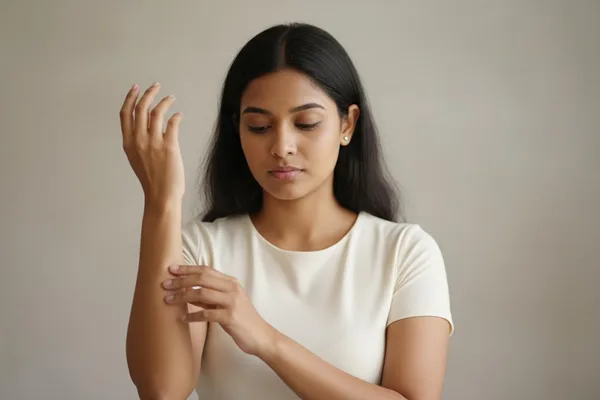
Do you sometimes feel like your arm, leg, or other part of your body is just swollen and heavy? Maybe your clothes and jewelry are getting stuck. If you are experiencing these things, it could be due to a condition called lymphedema. Don't worry, we will talk about this in detail today.
What is Lymphedema?
Simply put, lymphedema is swelling in various parts of our body. The reason for this is that there is something wrong with our lymphatic system . Now you are probably wondering what this lymphatic system is.
Imagine, inside our bodies we have a network of tiny tubes, just like our blood vessels. This network of tubes is what we call the lymphatic system. Its main function is to collect excess fluids, proteins, and toxins that come out of our cells and tissues and return them to our bloodstream. It's like the drainage system in our homes, getting rid of unwanted things.
So, what happens when this lymphatic system doesn't work properly? The fluids and proteins that need to be removed get stuck in one place, and that area starts to swell. This swelling is most often seen in the arms and legs. However, it can occur anywhere on the body. When you have lymphedema, you are more likely to get infections in that swollen area.
This condition can occur after certain surgeries, or due to certain diseases or genetic conditions. Sometimes lymphedema can occur without any obvious cause. We call this `spontaneous`.
Lymphedema symptoms may be mild, with some swelling and discomfort. For some people, however, it can be quite severe, causing significant swelling and pain, as well as skin problems (e.g., infections, wounds) . Although doctors cannot completely cure lymphedema, there are treatments that can help reduce swelling and discomfort. There are also many things you can do to help reduce the impact the condition has on your life.
How does lymphedema affect my body?
If you have lymphedema, your arms, legs, feet, and other parts of your body may look and feel swollen. Lymphedema can be painful and can interfere with your daily activities. Many people worry about how their appearance will change because of lymphedema, which can be very stressful.
Is lymphedema a serious condition?
Yes, in some cases this can be serious. If you have lymphedema, you are at risk of developing infections through your skin. These infections can sometimes be life-threatening. Although very rare, lymphedema can also lead to a very rare type of skin cancer called `lymphangiosarcoma`.
Are there different types of lymphedema?
Yes, there are two main types of lymphedema – Primary Lymphedema and Secondary Lymphedema.
What is Primary Lymphedema?
Primary lymphedema is caused by a rare, inherited condition that affects the way our lymphatic system develops. It affects about one in 100,000 people in the United States. Lymphedema caused by these conditions can appear at these ages:
- During infancy: Some babies may be born with a type of congenital lymphedema called `Milroy's disease`.
- During puberty, pregnancy, or up to 35 years of age: A condition called `Meige disease (lymphedema praecox)` can affect people during puberty, pregnancy, and up to about 35 years of age.
- After age 35: A rare, late-onset lymphedema condition called `Lymphedema tarda` can cause swelling only in the legs.
What is Secondary Lymphedema?
Secondary lymphedema can occur if your lymphatic system is damaged by surgery, trauma, or radiation therapy. It is most commonly seen in people who have been treated for breast cancer. However, it is important to remember that not everyone who has breast cancer treatment develops lymphedema.
Is lymphedema a cancer?
No, this is not a type of cancer.
What are the symptoms of lymphedema?
The most common symptom is swelling. This swelling can develop gradually. You may not notice any unusual swelling at first. Also, swelling caused by lymphedema can appear suddenly. Other symptoms you may experience include:
- The blood vessels or tendons in your hands and feet are no longer visible or feelable.
- Your arms or legs seem to be slightly different in size.
- It feels like your joints are just stuck, like they can't bend or stretch easily.
- Your skin looks swollen or red .
- Swelling in the hands, legs, or other parts of the body.
- Feeling uncomfortable, like your arms, legs, or other parts of your body are just heavy and full.
- Your clothes and jewelry feel more cramped than they should be .
- Sometimes it feels like a burning or itching sensation .
- Your skin thickens significantly.
What are the causes of lymphedema?
There are several causes of lymphedema. Let's take a look at what they are:
- Breast cancer surgery: Some breast cancer surgeries involve removing lymph nodes under the armpit. This can damage nearby lymph vessels.
- Pelvic surgery: Surgery to remove lymph nodes in the pelvic area can also cause lymphedema.
- Radiation therapy: Radiation therapy can cause scarring and damage to the lymphatic system. This can cause inflammation of the skin and put pressure on the circulation of the lymphatic system.
- Trauma: Our lymphatic system is a network of vessels that extend both under the skin and throughout the body. Sometimes, an injury to any part of the body can damage the lymph vessels under the skin, causing lymphedema.
- Infection: An infection can increase the damage to the lymphatic system.
- Obesity: Excess adipose tissue in obese people can put pressure on lymph nodes and vessels. This extra pressure can affect lymphatic drainage.
- Inactivity: The muscles in our legs help with lymph circulation. If you're not very active, your legs can swell.
- Tumors: Some tumors can block the flow of lymph fluid.
- Heart conditions: People with heart disease, especially congestive heart failure, can develop lymphedema. Our lymph vessels carry lymph fluid back to the heart. So if your heart isn't working properly, you may experience weight gain and swollen legs.
- Vascular problems: Between 80% and 90% of the fluids in our bodies are carried through the blood vessels. If there is a problem with the vascular system, chronic vascular diseases can occur. These can also cause lymphedema.
- Kidney disease: Our kidneys are responsible for removing excess fluid and waste products from our bodies. When our kidneys are not working properly, it becomes difficult for our bodies to remove fluid. This extra fluid causes swelling, which can lead to lymphedema.
How do doctors diagnose lymphedema?
If you have swelling that may be due to lymphedema, your doctor may do several tests to determine if lymphedema is the cause of the swelling. These tests may include:
- Doppler ultrasound: This test uses high-frequency sound waves (ultrasound) to look at blood flow through red blood cells. This can help find blockages and rule out other causes of swelling, such as blood clots.
- Magnetic Resonance Imaging (MRI): This uses a magnet, radio waves, and a computer to make a series of detailed three-dimensional (3D) pictures of the inside of your body. Doctors use this test to see if, for example, something like a tumor is putting pressure on the nervous system.
- Computed Tomography scan (CT scan): This test uses X-rays to make detailed, cross-sectional images of your body's structures. Like an MRI, doctors use it to check for signs of pressure on the lymphatic system.
Are there stages of lymphedema?
Yes, doctors use the following staging system:
- Stage 0: The affected area may be swollen, tight, and feel heavy, but there is no visible swelling.
- Stage I: Sometimes there may be swelling. Elevating the affected area will help reduce the swelling.
- Stage II: The affected area is almost always swollen. The skin in that area may feel a little tighter than the surrounding area.
- Stage III: There is significant swelling in the affected area, and changes in skin color and texture may also be seen.
How to completely get rid of lymphedema?
There is no cure for lymphedema. That means it cannot be completely eliminated. However, there are many treatments that can help you reduce the impact of the condition on your life and live a better quality of life.
What are the treatments for lymphedema?
Treatment for lymphedema varies depending on the cause and stage of your condition. These treatments may include physical therapy or other treatments to keep lymph fluid flowing and reduce swelling and pain. Your doctor may also prescribe antibiotics or painkillers for infections.
What are the physical treatments for lymphedema?
Lymphedema treatments usually include a combination of physical therapy and special garments or bandaging to help drain fluid from lymphedema areas. If you are receiving physical therapy for lymphedema, it is important to continue using these garments or bandages after treatment to maintain the results. Physical therapy for lymphedema may include:
- Compression garments: These can be socks, sleeves, or wraps. The pressure they create helps to move fluid from your tissues back into your circulatory system. This reduces swelling and the risk of complications from lymphedema.
- Physical therapy: Physical therapists who specialize in lymphedema use a gentle massage technique to stimulate circulation. This is called Manual Lymphatic Drainage (MLD) . These therapists may also teach you how to do this massage yourself.
- Multilayer compression bandaging: After MLD treatment, your physical therapist may apply multilayer compression bandaging to the swollen areas of your body. (If you’ve ever sprained your ankle, you may have a short bandage applied to the area to reduce swelling. Multilayer compression bandaging works the same way for lymphedema.) Physical therapists apply multiple layers of bandages to the swollen areas of your body, applying varying levels of pressure. These bandages create pressure on your tissues and help move fluid back into your circulation.
- Compression devices: These devices, called pneumatic compression pumps, keep fluid flowing through the lymphatic vessels and veins by applying pressure periodically. This keeps the fluid from pooling in the arms, legs, and other parts of the body. These devices work by attaching the pump to a sleeve that is wrapped around the affected area. The pump inflates and deflates the sleeve in a regular cycle of pressure. Compression pumps can also reduce complications of lymphedema.
- Elevation: Gravity also affects lymphedema symptoms. You should try to keep the affected body part elevated as much as possible.
- Exercise: Physical exercise is very important to stimulate the flow of lymph fluid.
Is there a surgical treatment for lymphedema?
If nonsurgical treatments don't help your symptoms, your doctor may recommend surgery. This is done at specialized centers. Lymphedema surgery is usually only done if your lymphedema is severe. Also, it doesn't provide a complete cure. Not everyone can have surgery. If you have lymphedema, ask your doctor if surgery is right for you. Surgical treatments may include:
- Lymphatic bypass procedure: This surgery involves connecting the lymphatic vessels and veins, changing their course, and allowing lymph fluid to flow into the body's venous system, bypassing blockages.
- Lymph node transfer: Surgeons transplant healthy lymph nodes from elsewhere in the body to replace damaged lymph nodes. This is like creating a new lymphatic system in the part of the body with lymphedema.
- Debulking: This surgery is used to treat very severe cases of lymphedema. It involves surgically removing all of the skin, fat, and tissue from the affected area, followed by a skin graft.
What should I expect if I have lymphedema?
Lymphedema is a chronic condition. Although treatments and lifestyle changes do not cure lymphedema, they are effective ways to manage the symptoms of lymphedema.
How can I reduce my risk of developing lymphedema?
While you can't reduce your risk of lymphedema entirely, there are things you can do to reduce swelling, and possibly even prevent it. If you're having breast cancer surgery or other treatment, ask your surgeon and other healthcare providers about exercises that can help reduce swelling. Other steps include:
- Monitoring your body: Ask your doctor if you can measure the affected area and keep track of any small changes that occur before you feel any swelling. If you can spot changes early, you can start treatment sooner.
- Elevate the affected area: Whenever possible, keep your affected arm or leg above your heart.
- Keep moving: While you're recovering, find ways to move around regularly. This will help your fluids flow better.
- Avoid high temperatures: High temperatures can increase the risk of lymphedema.
Additional recommendations
It can be difficult to stay comfortable when your arm or leg is swollen. These suggestions may help:
- Stay loose: Wear loose-fitting clothing that doesn't constrict your arms and legs. Avoid tight socks, tights, and hosiery. Wear comfortable, closed-toe shoes. You may not be able to wear jewelry or watches on the affected hand. But if possible, make sure your watch or jewelry doesn't constrict your hand.
- Sit properly: When you are sitting, keep your feet flat on the floor and do not cross them. This will help the fluid in your legs drain better. Try to get up and walk around every 30 minutes.
- Travel safely: If you're flying soon, ask your doctor if you should wear compression garments on the affected arm or leg.
When should I see a doctor?
If you feel that your affected arm or leg is more swollen than usual , or if you think you have an infection, see your doctor immediately.
How do I manage lymphedema?
Although there is no permanent cure for lymphedema, small changes in your daily life can help reduce swelling and other symptoms. Small changes to consider include protecting yourself from infections, exercising, and making small changes to your diet.
How can I protect myself from infections?
Lymphedema puts pressure on your skin, making it more likely that you will get an infection from cuts, scrapes, or other injuries. Infections can cause serious health problems for people with lymphedema. You can help protect yourself from infections by practicing good hygiene and protecting your skin . Here are some tips:
- Wash your hands: Wash your hands with soap and warm water throughout the day, before preparing food, after using the toilet, and after touching dirty clothes or linens.
- Protect your skin: Wear gloves to avoid scratches. Use an electric razor when shaving. Apply insect repellent to avoid insect bites. Apply sunscreen (SPF 30 or higher) when going outside.
- Treat any wound promptly: Even minor injuries can lead to infection. If you get a cut or scrape, wash the wound with soap and water, apply antibiotic ointment, and bandage it. Call your doctor if you notice signs of infection, such as redness, pain, increased swelling, or fever .
How does exercise help with lymphedema?
Lymphedema occurs when fluid builds up in one area of the body. One of the best ways to keep fluid flowing is through exercise. Talk to your doctor before starting an exercise program. He or she will be able to give you suggestions and may even recommend specific exercises for you to do. Other suggestions include:
- Warm-up and Cool-down: No matter what exercise you do, start with five minutes of stretches and end with five to ten minutes of cool-down exercises.
- Start slowly: Give your body time to adjust to your exercise routine. Start with 10-minute workouts at first, aiming to exercise for 20-30 minutes a day.
- Take it easy: Avoid strenuous exercise that puts pressure on your affected arm or leg.
- Be careful about lifting weights: If you regularly lift weights or do strength training, ask your doctor when you can start doing those exercises again. He or she may recommend exercises you should avoid or limits on the amount of weight you can lift.
- Don't overexert yourself: Pay attention to your affected arm or leg. If you feel that arm or leg getting weak, take a break. Do your cool-down exercises, then rest with that arm or leg elevated above your heart.
- Don't exercise with pain: Stop any exercise that causes pain and see your doctor. He or she may want to examine your affected arm or leg.
How will changing my diet help?
Healthy eating habits can help you control swelling. Nutrients from fruits, vegetables, whole grains, and lean protein help your lymphatic system function more effectively. A healthy diet can also help you maintain a healthy weight. Some suggestions include:
- Reduce salt: Salt can increase fluid retention. Try new vegetables and other spices to spice up your food.
- Drink water: Drinking 8 8-ounce glasses of water a day helps flush out fluids.
Lymphedema is a condition that causes swelling in various parts of the body when something affects your lymphatic system. It’s a chronic condition that can affect your health, mood, and self-esteem. Lymphedema is a difficult condition. But you can take steps to manage your symptoms and make living with lymphedema easier. Small changes like eating a healthy diet and exercising can make a big difference. Your doctor can also recommend treatments to help relieve your lymphedema symptoms. If you’re having trouble living with lymphedema, let them know. They can help you get the help you need, or point you in the right direction to find it.
The most important thing to remember from what we've talked about! (Take-Home Message)
Okay, so we've talked a lot about lymphedema today, haven't we? Remember, this is swelling caused by a malfunction in the lymphatic system.
- Early detection is important: If you notice unusual swelling, heaviness, or skin changes in your limbs, see a doctor immediately.
- Although there is no complete cure, it is manageable: This condition can be well managed with the right treatment, exercise, compression garments, and lifestyle changes.
- Be careful of infections: Keep your skin clean and take good care of even small wounds.
- You are not alone: Living with this condition can be overwhelming. But remember, there are doctors, physical therapists, and loved ones who can help you.
So, I hope this information is useful to you. Stay healthy!
` Lymphedema, swelling, lymphatic system, swelling of the limbs, Lymphedema Sinhala, lymph nodes, Lymphedema treatment Sinhala




💬 Comments (0)
No comments yet. Be the first to share your thoughts here.
Add Your Comment