
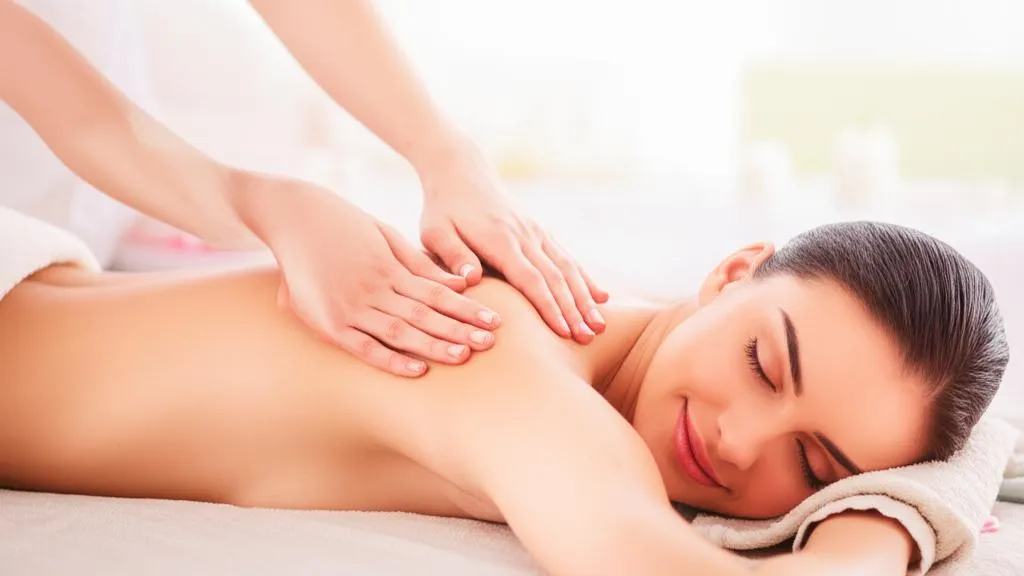
After a long day of work, chores, and rushing around, your body often feels completely exhausted. You might notice constant aches in your lower back, your neck, or your tired legs. Have you ever wished you could just book a relaxing massage right away to melt away that stress?
Massage therapy is much more than a simple treat for sore muscles. It is a deeply rooted clinical practice backed by science that offers powerful physical and mental health benefits. Understanding how different massage styles work can help you make the best choice for your personal health.
Key Takeaways
- Massage therapy involves manipulating soft tissues like muscles, tendons, and ligaments to ease tension.
- Different styles serve different needs, ranging from gentle relaxation to deep tissue pain relief.
- Regular sessions help reduce stress, improve sleep quality, and ease chronic back or neck pain.
- Always consult your doctor before starting massage therapy if you have underlying medical conditions.
What Is Massage Therapy?
Simply put, massage therapy is the practice where a trained professional uses their hands to knead, press, and rub your body's soft tissues. These soft tissues include your muscles, tendons, and connective tissues. The main goals are to reduce stress, release tight muscle knots, and bring deep relaxation to both your mind and body.
This is not a brand new trend. People have used touch-based healing practices for thousands of years across many different cultures. Today, there are over eighty recognized massage styles that use various pressures, movements, and clinical techniques. Therapists use their hands, fingers, elbows, forearms, and sometimes even their feet during specialized sessions.
When a therapist applies controlled pressure to your muscles, it helps increase blood flow to the area. Better blood flow brings fresh oxygen and nutrients while helping your body clear out waste products. This process helps your nervous system relax, lowering your heart rate and easing mental anxiety.
How to Choose the Right Massage for You
Before you book any massage session, you need to ask yourself a very simple question. What is your main goal for this treatment today?
Do you simply want to unwind and calm your racing mind after a stressful week? Or do you need specific relief for nagging lower back pain or a stiff neck? Perhaps you are recovering from a sports injury and need help getting back on your feet.
Your answer to this question determines which massage style will suit you best. Before your session begins, always talk openly with your massage therapist. Tell them about any specific pain, past injuries, or health conditions so they can tailor the treatment safely to your needs.
Main Massage Types and Their Differences
There are many popular massage styles used around the world today. Each style uses unique techniques designed to target different health goals. The comparison table below outlines the most common types and who they are best suited for.
| Massage Type | How It Works and Who It Is For |
|---|---|
| Swedish Massage | This is the most common and popular style worldwide. It uses long, smooth strokes, kneading, and gentle tapping. It is ideal for complete body relaxation and perfect for first-time clients. |
| Deep Tissue Massage | This style targets chronic muscle tension and deep trouble spots. The therapist applies firm pressure to reach deeper layers of muscle. It is very helpful for persistent back pain and stiff shoulders. |
| Sports Massage | Designed specifically for active people and athletes. It helps prepare muscles before physical activity, prevents injuries, and speeds up recovery after intense exercise. |
| Chair Massage | Done fully clothed while sitting in a special ergonomic chair. Sessions usually last fifteen to twenty minutes, offering quick relief for the neck, back, and shoulders during busy days. |
| Shiatsu Massage | A traditional Japanese technique meaning finger pressure. The therapist applies rhythmic pressure along specific energy pathways in the body to restore balance and calm the nervous system. |
| Hot Stone Massage | Smooth, heated stones are placed on specific parts of your body. The gentle warmth penetrates deep into your muscles, creating a profound sense of peace and physical release. |
| Pregnancy Massage | Specially adapted for expecting mothers using supportive pillows and gentle techniques. It relieves lower back pain, swollen legs, and pregnancy-related stress safely. |
| Reflexology | Focuses primarily on applying targeted pressure to specific points on your feet. These points correspond to different organs and systems throughout your entire body. |
Other specialized options include Thai massage, lymphatic drainage massage, and trigger point therapy. Each technique offers unique benefits depending on your person health goals.
Health Benefits of Massage Therapy
Beyond offering a wonderful feeling of relaxation, regular massage therapy provides significant clinical benefits for your overall well-being. According to leading health organizations like the Mayo Clinic and the National Health Service (NHS), massage can support your body in many ways.
Always remember that if you have a serious medical condition or injury, you should speak with your doctor before scheduling a massage therapy session.
Key health benefits of regular massage include:
- Better Sleep Quality: Relaxing your muscles helps your body wind down, making it much easier to fall asleep and stay asleep through the night.
- Immune System Support: Regular sessions help boost your body's natural immune function by promoting healthy circulation and lymphatic flow.
- Improved Digestion: Gentle abdominal massage techniques can help ease mild constipation and support a healthy stomach and gut.
- Anxiety Reduction: Massage lowers stress hormones like cortisol while boosting feel-good brain chemicals, helping calm mental anxiety.
- Fasted recovery from sports injuries and muscle strains by increasing nutrient delivery to damaged tissues.
How Massage Helps Specific Pains
Many people turn to massage therapy when they experience persistent physical pain. Clinical studies show that targeted massage can provide meaningful relief for several common conditions.
- Back Pain Relief: Studies consistently show that massage therapy is one of the most effective natural ways to reduce chronic lower back pain.
- Headache Reduction: Regular sessions can decrease the frequency and intensity of tension headaches and migraines.
- Osteoarthritis Comfort: Gentle Swedish massage helps reduce joint stiffness and improves mobility in knees affected by osteoarthritis.
- Fibromyalgia Support: Massage helps lessen widespread muscle pain, sleep disturbances, and fatigue associated with fibromyalgia.
Massage for Cancer Patients
Integrative oncology teams often use massage therapy as a supportive care option for cancer patients. During medical treatments, massage helps reduce pain, swelling, nausea, fatigue, and emotional distress.
Important Medical Warning for Cancer Patients
If you are undergoing cancer treatment, you must talk to your oncologist before getting a massage. Certain areas of the body or deep pressure techniques may not be safe depending on your specific diagnosis and treatment plan. Always inform your therapist about your medical history.
Risks and Safety of Massage Therapy
Massage therapy is generally very safe when performed by a licensed professional. However, rare complications can occur if too much pressure is applied, especially in vulnerable people.
Very rarely, aggressive deep tissue massage can lead to nerve irritation, minor bruising, or complications related to blood clots. These risks are higher for older adults, people with bone diseases, or people taking blood-thinning medicine. Choosing a trained and certified therapist greatly minimizes these risks.
How to Find a Qualified Therapist
Finding the right massage therapist is just as important as finding the right doctor. You want someone who is professional, highly trained, and attentive to your needs.
Follow these steps to find a trusted professional:
- Ask for recommendations from friends, family members, or your primary care doctor.
- Verify that the therapist holds proper professional certifications and licensing in your region.
- Check the cleanliness, comfort, and safety standards of the clinic or spa.
- Talk with the therapist before your session starts to discuss your health goals and any concerns.
Pay attention to how comfortable you feel with the therapist. If something feels unprofessional or makes you uneasy, you have every right to leave right away.
When to Seek Emergency Medical Care
Stop any massage right away and seek emergency medical help by calling 911 (US/Canada) or 999 (UK) or going to the nearest Emergency Department (ER / A&E) if you experience any of the following red flag signs during or after a session:
- Sudden, severe chest pain, shortness of breath, or dizziness.
- Sudden weakness, numbness, or loss of feeling in your face, arm, or leg.
- Severe, worsening pain in your back or limbs that feels unnatural.
- Signs of a blood clot in your leg, such as severe swelling, sudden redness, and warmth.
💡 Take-Home Message
Massage therapy is much more than a simple luxury. It is a scientifically supported clinical practice that relieves stress and eases physical pain. By choosing the right massage style for your unique needs and working with a qualified professional, you can safely improve your physical and mental well-being.




No comments yet. Be the first to share your question or experience below.