

Have you ever visited the dentist for a routine checkup, a filling, or a tooth extraction? During your visit, your dental team likely used or prescribed several different types of medicine. From numbing gels that make procedures pain-free to prescription drugs for healing infections at home, medicines play a vital role in modern dentistry.
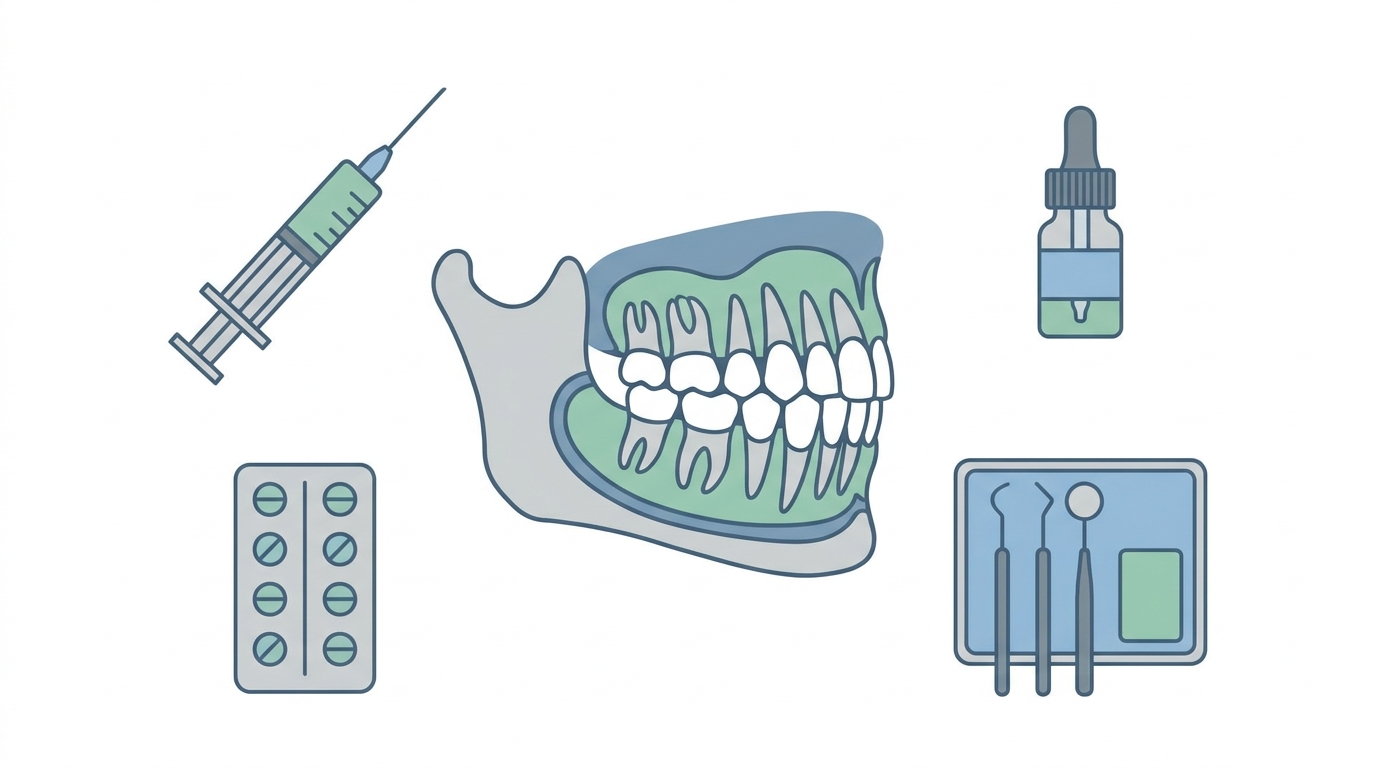
Understanding these medicines can take away a lot of the fear and mystery surrounding dental visits. Today, we will explore the different kinds of dental drugs, why doctors prescribe them, how they work, and what you need to know to stay safe and healthy.
Key Takeaways.
- Dental medicines help manage pain, reduce anxiety, prevent tooth decay, and treat active infections.
- In-office drugs include local anesthetics, numbing gels, and professional fluoride treatments.
- At-home treatments may include pain relievers, antimicrobial mouthwashes, antibiotics, or antifungal medicines.
- Always share your complete medical history and current list of medicines with your dentist before starting any new drug.
What Kinds of medicines Do Dentists Use?
Simply put, dentists use a wide variety of medicines to treat different health issues inside your mouth. Whether you need relief from a severe toothache, help staying calm during a procedure, prevention against cavities, or treatment for an infection, specific medicines make it possible.
Your dentist chooses a medicine based on your specific dental needs, age, overall health, weight, and any other drugs you are already taking. Because every person is unique, not every medicine works the same way for everyone.
Let us look at the main categories of medicines used in dental care:
- Pain relievers and numbing medicines: These keep you comfortable and pain-free during fillings, root canals, and extractions.
- Decay and gum disease prevention treatments: These products protect your tooth enamel and keep your gums healthy.
- Dry mouth and excessive saliva treatments: These specialized drugs help balance moisture levels in your mouth.
- Antibiotics: These powerful medicines fight and kill harmful bacterial infections.
- Antivirals: These drugs help manage and shorten viral outbreaks in the mouth.
- Antifungals: These medicines treat fungal infections like oral thrush.
- Sedatives: These medicines help relax your body and mind during longer dental procedures.
- Anxiolytics: These anti-anxiety medicines help calm patients who feel nervous about dental visits.
medicines You May Receive at the Dental Office.
Whether you are getting your teeth cleaned, receiving a simple filling, or undergoing a major root canal procedure, your dentist will often use specific in-office medicines to ensure your safety and comfort.
Pain Relief and Relaxation During Procedures.
Dentists use various anesthesia medicines to numb specific areas of your mouth so you do not feel pain. Imagine how painful a tooth extraction would be without a numbing medicine! Numbing agents not only block pain signals but also help reduce your overall fear and anxiety.
These numbing medicines come in different forms, including gels, sprays, injections, and inhaled gases. The primary types used in dental offices include:
- Topical anesthetics: These are gels or ointments applied directly to the gum tissue to numb a small area before an injection. Benzocaine is a common example. When applied first, you barely feel the small pinch of the needle.
- Local anesthetics: These are injected medicines used during fillings, extractions, and root canals. Lidocaine is the most popular local anesthetic. It numbs only the tooth and surrounding tissue while you remain fully awake and able to talk.
- General anesthesia: This medicine puts your entire body into a deep sleep for major oral surgeries. You will not feel or remember anything during the procedure.
In some cases, your dentist may give you a sedative to help you drift into a light, relaxed sleep while still allowing you to respond to instructions. Another popular option is nitrous oxide, commonly known as "laughing gas," which helps you feel calm and carefree throughout your appointment.
If you have high blood pressure, your dentist may carefully mix a small amount of epinephrine with your local anesthetic. This helpful ingredient narrows blood vessels locally, which reduces bleeding during the procedure and helps the numbing medicine last longer.
Preventing Tooth Decay.
Tooth decay happens when acids produced by bacteria dissolve the hard outer shell of your teeth, known as enamel. Sugary foods and drinks are the primary culprits behind this process.
To strengthen teeth and prevent or even reverse early decay, dentists often recommend fluoride. Fluoride is a natural mineral that rebuilds weakened enamel. Talk with your dental team to find out which fluoride treatment is best for you. They may recommend special high-fluoride toothpastes, daily mouthwashes, or professional fluoride varnishes applied right in the chair.
Controlling Dental Plaque and Gingivitis.
Dental plaque is a sticky film of bacteria that constantly forms on your teeth. If plaque is not removed through daily brushing and flossing, it can harden and cause gingivitis, which is the early stage of gum disease. Bad breath is also closely linked to plaque buildup.
To remove plaque and prevent or treat gingivitis, dentists often recommend chlorhexidine, a powerful antiseptic mouthwash. It helps reduce harmful bacteria associated with gum disease and is sometimes prescribed for short-term use after dental procedures.
Keep in mind that using chlorhexidine can sometimes cause tartar to build up faster or stain your teeth, dental fillings, and dentures. It can also temporarily alter your sense of taste. Always follow your dentist's exact instructions and keep up with your regular dental checkups.
At-Home Dental medicines.
Sometimes, your dentist will prescribe or recommend medicines for you to use at home before or after your dental appointments.
Treatments for Toothaches and Mouth Sores.
If you wear dentures or orthodontic braces, you might sometimes experience sore spots or irritation. Toothaches and painful mouth sores, such as canker sores, can also cause significant discomfort. In these situations, over-the-counter topical analgesics like Anbesol, Orajel, or Xylocaine can provide fast, temporary relief when applied directly to the affected area.
Always consult your dentist before using these products. Never use these numbing gels to treat teething pain in infants and toddlers.
These topical and oral pain relievers come in many convenient forms:
- Creams and dental pastes .
- Gels and ointments .
- Medicated lozenges .
- Mouth rinses and sprays .
Before undergoing a filling, dental crown, or oral surgery, you may also need effective pain management. Your dentist will recommend either over-the-counter or prescription pain relievers based on your specific situation.
Common options include:
- Acetaminophen: Excellent for managing mild to moderate discomfort and reducing fevers.
- Corticosteroids: Specialized medicines prescribed to reduce severe tissue inflammation.
- Nonsteroidal anti-inflammatory drugs (NSAIDs): Medicines like ibuprofen, aspirin, and naproxen work wonderfully to reduce both pain and swelling. Never give aspirin to infants or young children without direct instructions from a doctor.
- Opioids: Powerful prescription pain medicines reserved for moderate to severe pain following major procedures like tooth extractions, gum grafting, or dental implant surgery. Because opioids carry a risk of dependence, they must be used strictly as directed and for the shortest time possible.
Expert Tip: Over-the-counter pain relievers often manage dental pain just as effectively as opioids, without the heavy risks and side effects. Always discuss your pain management plan with your dentist to find the safest option for your body.
Be aware that certain pain medicines can cause side effects such as dry mouth, which can increase your risk of plaque buildup and tooth decay over time.
Treatments for Dry Mouth and Excessive Saliva.
Dry mouth occurs when your salivary glands do not produce enough saliva. This uncomfortable condition can make chewing, swallowing, and speaking difficult while raising your risk of cavities. Specialized prescription medicines called sialagogues can help stimulate saliva production.
Common examples include:
- Cevimeline .
- Pilocarpine .
- Saliva substitutes, which provide temporary relief from dry mouth symptoms .
Conversely, some people struggle with excessive saliva production, known as hypersalivation. Dentists and doctors can use medicines called antisialagogues to reduce unwanted saliva flow when necessary. Common examples include atropine sulfate, glycopyrrolate, and scopolamine.
Antibiotics for Severe Gum Disease.
When gum disease advances into a more serious stage known as periodontitis, your dentist may prescribe systemic antibiotics such as amoxicillin or doxycycline. These medicines fight aggressive bacterial infections, protect your gum tissues, and prevent the destruction of the jawbone supporting your teeth.
Antibiotics for General Bacterial Infections.
Dentists rely on various antibiotics to treat bacterial infections inside the oral cavity. These medicines are available in multiple forms, including mouthwashes, topical ointments, pills, and liquid syrups.
In some cases, if you have advanced gum disease or a weakened immune system, your dentist will prescribe an antibiotic before or after a procedure. This prevents bacteria living around your teeth from entering your bloodstream and causing secondary infections elsewhere in your body.
often prescribed dental antibiotics include:
- Amoxicillin .
- Clindamycin .
- Azithromycin .
Your dentist may prescribe an antibiotic on its own or combine it with other treatments. The most important rule with antibiotics is to finish the entire prescription course, even if your symptoms disappear early. Stopping early can allow the infection to return stronger than before.
Antivirals for Viral Infections.
While your primary care doctor usually treats common colds and flu, dentists often manage viral outbreaks that occur directly in or around the mouth, such as painful cold sores. While antiviral drugs cannot cure a virus completely, they can greatly reduce healing time and ease uncomfortable symptoms.
Common antiviral medicines used in dental care include:
- Acyclovir .
- Valacyclovir .
- Famciclovir .
Antifungals for Fungal Infections Like Thrush.
Oral thrush is a common fungal infection caused by an overgrowth of a fungus called Candida albicans. To stop this infection from spreading, your dentist will prescribe an antifungal medicine. These drugs also treat related conditions like denture stomatitis, a common fungal irritation under dentures.
Antifungal treatments usually come as lozenges, dissolvable tablets, or liquid rinses that you swish around your mouth before swallowing or spitting out, as directed. Common types include:
- Clotrimazole .
- Fluconazole .
- Miconazole .
- Nystatin .
medicines for Dental Anxiety.
Feeling nervous or anxious about visiting the dentist is completely normal. However, if your fear is so intense that it disrupts your daily life or causes you to skip necessary dental appointments, you should discuss it openly with your dental team. They can offer gentle reassurance and specialized relaxation strategies.
In some cases, severe dental anxiety may be linked to underlying mental health conditions like generalized anxiety or depression. Your dentist may recommend speaking with a doctor or counselor to explore appropriate anti-anxiety support.
Unmanaged anxiety can also take a physical toll on your oral health in several ways:
- Stress often increases unconscious nighttime teeth grinding, known as bruxism.
- Jaw clenching and grinding can contribute to painful Temporomandibular Joint (TMJ) disorders. Dentists sometimes prescribe muscle relaxers to help ease TMJ pain.
- High anxiety can make it difficult to maintain consistent daily hygiene habits, leading to a decline in overall dental health.
The Benefits of Dental medicines.
Dentists use medicines with one primary goal in mind: to keep you safe, comfortable, and healthy. Every type of medicine serves a specific, protective purpose.
Some medicines fight active infections. This others make dental procedures smooth and pain-free. Additional treatments strengthen your teeth and gums to prevent future problems. By working closely with your dental team, you can understand which medicines will benefit your unique smile.
Are There Side Effects or Risks?
Most medicines used in modern dentistry are very safe when used correctly. However, like any medicine, they can sometimes cause mild side effects or interact with other health conditions.
For example, certain powerful pain relievers can cause dry mouth, which over time might raise your risk of tooth decay if left unmanaged. Your dentist will always weigh the potential risks and benefits of every medicine and discuss them with you beforehand to prevent complications.
Remember: Your dentist prescribes medicines carefully, keeping your complete medical background in mind. Always follow their dosage instructions precisely for the safest and most effective results.
Important Final Reminders.
Dentists rely on specialized medicines to treat oral health issues safely and effectively. These powerful tools help control pain, calm pre-treatment fears, cure stubborn infections, and prevent future dental complications.
Keep these golden rules in mind during your next visit:
- Ask questions! Talk openly with your dentist about what medicines you need, how they work, and what side effects you might experience.
- Share your complete medical history, including any known allergies and every vitamin, supplement, or prescription drug you currently take. This prevents dangerous drug interactions.
- Take your medicines exactly as prescribed and complete full antibiotic courses.
- Approach your dental visits with confidence, knowing your care team has your health and comfort as their top priority.
| medicine Category. | Common Examples. | Primary Purpose. |
|---|---|---|
| Local Anesthetics. | Lidocaine, Benzocaine. | Numb pain during fillings and extractions. |
| Antibiotics. | Amoxicillin, Clindamycin. | Fight severe bacterial and gum infections. |
| Antifungals. | Nystatin, Fluconazole. | Treat oral thrush and fungal sores. |
| NSAIDs & Pain Relievers. | Ibuprofen, Acetaminophen. | Manage post-treatment pain and swelling. |
When to Seek Emergency Medical Attention.
Call 911 (US/Canada) or 999 (UK), or go to your nearest Emergency Department right away if you experience severe allergic reactions to dental medicines, such as sudden facial swelling, trouble breathing, hives, or swelling of the tongue and throat.
A Note from Dr. Priya Sammani.
Understanding the medicines used in dental care empowers you to take an active role in your health. Never hesitate to talk with your dental team about any questions, fears, or concerns you have regarding your treatment plan. Your comfort and safety are always our top priorities.


💬 Comments (0)
No comments yet. Be the first to share your thoughts here.
Add Your Comment