

Choosing the right birth control method can feel overwhelming when you have so many options to think about. You might be exploring birth control for the first time, or you might want to switch to a method that fits your daily routine better. Taking time to learn how different options work helps you make the best choice for your body and your life.
Today, we will talk closely about one specific option known as the minipill. You may have heard friends talk about it or seen it mentioned online. Let us break down what this medicine is, how it works, who it is best for, and what kind of benefits and side effects you can expect.
Key Takeaways at a Glance.
- Progestin Only: The minipill contains only a synthetic progestin hormone and no estrogen.
- Strict Timing: You must take this pill at the exact same time every single day within a three-hour window.
- Breastfeeding Friendly: It is safe to use while you are breastfeeding your baby.
- High Effectiveness: When taken correctly every day, it is up to 99 percent effective at preventing pregnancy.
What Is the Minipill?
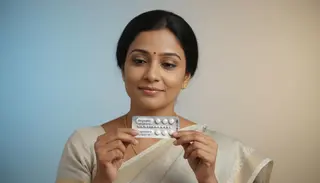
Simply put, the minipill is a birth control pill that you take by mouth every day to prevent pregnancy. People also call it the progestin-only pill, or POP for short. This pill contains only one hormone called progestin. Progestin is a man-made version of progesterone, which is a hormone your body makes naturally.
Other common birth control pills contain two hormones: estrogen and progestin together. However, the minipill contains only progestin. You can get this medicine only with a prescription from your doctor.
How Does It Work?
Now, let us look at how the minipill works to prevent pregnancy in your body. This medicine works mainly through three distinct ways:
- It thickens your cervical mucus. When this mucus gets thick, it becomes very hard for sperm to swim up into your uterus. Think of it like closing a gate to block the path.
- It thins the lining of your uterus. Even if a fertilized egg manages to form, a thin uterine lining makes it very difficult for the egg to attach and grow.
- It stops ovulation in some cycles. This pill helps stop your ovaries from releasing an egg. However, this does not happen in every single cycle for every person.
How Effective Is It Compared to Other Pills?
If you take your minipill at the exact same time every single day, it is about 99 percent effective. This means that if you use it perfectly over a year, your chance of getting pregnant is extremely low. However, if you miss pills or fail to take them at the right time, the effectiveness can drop to around 91 percent.
Compared to combination birth control pills that contain both estrogen and progestin, the minipill has a slightly lower real-world effectiveness rate. This happens because progestin-only pills do not stop ovulation as strongly or as consistently as combination pills do.
How Do You Use the Minipill?
A standard minipill pack contains 28 pills. You can start taking your pills as soon as you get your pack. Alternatively, you can take your very first pill during the first five days of your period. If you start taking the pill more than five days after your period begins, you must use an extra backup birth control method, such as a condom, for the first two days.
The most important rule is to take your pill at the exact same time every single day, keeping within a strict three-hour window. When one pack finishes, you must start your next pack right away on the very next day. You should never leave any blank or empty days between your pill packs.
Once you start this method, try never to miss a single day. If you are more than three hours late taking your pill, you must take it as soon as you remember. This might mean taking two pills on the same day. You also need to use a backup condom or avoid having sex for the next two days.
Always follow the specific instructions your doctor gives you. Birth control methods only work well when you use them correctly every single time. If you feel confused about your dose or how to take your pills, talk to your doctor right away to get clear answers.
What to Do If You Miss a Pill.
Your body absorbs progestin much faster than the hormones found in other birth control methods. Because of this quick absorption, taking your pill at the exact same time every day is vital. If you are more than three hours late taking your pill, take it right away when you remember.
After taking the missed pill, use an extra backup method like a condom or avoid sexual intercourse for the next two days. If you vomit or have severe diarrhea within a few hours of taking your minipill, your body might not absorb the medicine properly. In that case, treat it like a missed pill and use backup protection until two days after your digestion returns to normal.
If you feel unsure about what to do after missing a pill, use an extra backup method and talk to your doctor as soon as possible.
What Are the Benefits of the Minipill?
Using the minipill offers several great health benefits that many people find very helpful:
- Your periods often become lighter, shorter, and less painful. This brings welcome relief to many people who suffer from severe cramps.
- You can use it while you are breastfeeding. Many other birth control pills are unsafe while nursing, but the minipill is safe for nursing mothers.
- You can get pregnant very quickly after stopping. If you decide you want to have a baby, your fertility returns right away without a long waiting period.
- It does not interfere with sex. Barrier methods like condoms require action right before intercourse, but the daily pill works quietly in the background.
- It is a great choice if you cannot take estrogen. Some people experience health risks with estrogen, making progestin-only options a much safer alternative.
Will You Still Have Periods While Taking the Minipill?
Yes, you will still experience menstrual periods while taking the minipill. However, your bleeding patterns might become irregular during the first few months. Your period might start earlier than expected, come later, or change in how many days it lasts. This adjustment period is completely normal for your body.
If your irregular bleeding or lack of predictable periods continues for more than three months, schedule a visit with your doctor to discuss it.
What Are the Disadvantages of the Minipill?
Along with its many benefits, the minipill also has a few drawbacks that you should keep in mind:
- Lower effectiveness than combination pills. Because it does not block ovulation as strongly, your risk of pregnancy is slightly higher if you make a mistake.
- Risk of ectopic pregnancy. If you happen to get pregnant while taking the minipill, you have a higher risk of an ectopic pregnancy. This means the fertilized egg implants outside the uterus, usually in a fallopian tube, which is a medical emergency.
- No protection against STIs. Like almost all birth control pills, the minipill does not protect you against sexually transmitted infections. You must use condoms to stay protected from STIs.
- Strict daily schedule. You must take your pill at the exact same time every day, which can be hard if you have a busy or unpredictable schedule.
- Drug interactions. Certain other medicines can make your minipill less effective. Always tell your doctor about every medicine you take.
What Are the Side Effects?
Because the minipill does not contain estrogen, many people experience fewer overall side effects. However, during the first few months of taking this pill, you may experience unpredictable bleeding. This can range from light spotting between periods to heavier bleeding or even missing your period entirely. This irregular bleeding usually settles down within six months.
Other common side effects include:
- Tenderness or swelling in your breasts .
- Mild feelings of nausea .
- Frequent headaches .
- Changes in your body weight .
- New or increased acne breakouts .
- Unwanted facial or body hair growth .
Is the Minipill Safe?
Generally speaking, the minipill is a very safe birth control method for most people. Before you start taking it, you should share some important details with your doctor:
- Tell your doctor if you have any drug allergies.
- Share your complete medical history so your doctor understands your overall health.
- Let your doctor know if you are currently breastfeeding or planning to get pregnant soon.
- Provide a full list of every prescription medicine, over-the-counter drug, and vitamin supplement you take.
Important Safety Warning.
If you take the minipill, you must avoid smoking and using tobacco products. Smoking while taking hormonal birth control greatly increases your risk of having a heart attack or a stroke.
Who Is This Pill Best For?
The minipill is an excellent birth control choice if you are breastfeeding or if health conditions prevent you from taking estrogen. Doctors often recommend this pill if you have specific health concerns, such as:
- High blood pressure that makes estrogen unsafe for you.
- A personal history of dangerous blood clots in your veins.
Who Should Avoid This Pill?
You should not take the minipill if you are already pregnant or suspect that you might be pregnant. also, this pill is not safe for you if you have certain medical conditions, including:
- Breast cancer, either currently or in your medical past.
- Unexplained vaginal bleeding that your doctor has not diagnosed.
- Liver tumors or active liver disease, such as hepatitis or cirrhosis.
- Jaundice, which causes yellowing of your skin and eyes.
also, if your daily schedule makes it impossible to take a pill at the exact same hour every day, this method is not right for you. Certain medicines used to treat HIV or seizures can also make the minipill much less effective.
Are There Other Benefits?
Yes, some doctors prescribe the minipill to help patients manage abnormally heavy menstrual periods and control excessive bleeding.
When Should You See a Doctor?
You should contact your doctor right away if you notice any of these warning signs:
- You suspect that you have become pregnant while taking the minipill.
- You experience severe, sharp pain in your lower abdomen or stomach.
- Your period stops completely for three months in a row.
- You experience heavy vaginal bleeding that lasts for more than seven days in a row.
- You suffer from sudden, severe headaches.
- You have questions or feel confused about your pill dose or how to take it.
Minipill vs. Combination Pill Comparison.
| Feature. | Minipill (POP). / Combination Pill. |
|---|---|
| Hormones Contained. | Minipill (POP).: Progestin only. Combination Pill.: Estrogen and Progestin. |
| Safe While Breastfeeding? | Minipill (POP).: Yes. Combination Pill.: Usually discouraged early on. |
| Timing Strictness. | Minipill (POP).: Must be taken within a strict 3-hour window. Combination Pill.: More forgiving daily window. |
| Estrogen-Related Risks. | Minipill (POP).: None (no estrogen). Combination Pill.: Potential risk for blood clots or high blood pressure. |





No comments yet. Be the first to share your question or experience below.